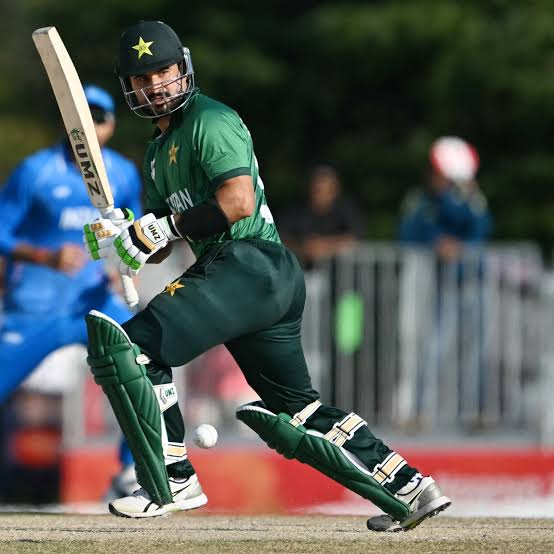
Pakistan cricket entered a new chapter on October 5, 2026, as the Pakistan Cricket Board named opening batter Sahibzada Farhan captain of the national Twenty20 International side ahead of a three match home series against Sri Lanka. The decision places a fresh face at the center of Pakistan’s short format plans and signals a change in leadership after Salman Ali Agha was removed from the role and left out of the T20 squad. Farhan arrives with recent leadership experience from the Asian Games, where Pakistan secured the silver medal. Now, with the Rawalpindi crowd preparing to welcome Sri Lanka, he faces a defining opportunity to turn promise into consistent results.
PCB Confirms Farhan as Pakistan’s T20I Captain
The Pakistan Cricket Board announced the new captain as part of its squad selections for the Sri Lanka T20I series and a subsequent one day international tri series involving England and Sri Lanka. Farhan, a right handed opening batter, was chosen after leading Pakistan at the recently concluded Asian Games. Shaheen Shah Afridi will continue as captain of the ODI side, keeping leadership responsibilities separate across the two formats.
The decision gives Farhan an immediate test at international level. Captaining a national side requires more than individual batting ability. A leader must manage the pace of a match, communicate clearly with bowlers, respond to changing conditions, and make decisions under pressure when a contest can turn in a handful of deliveries. In T20 cricket, where every over can reshape the result, those responsibilities are especially demanding.
The appointment also arrives at a time when Pakistan are looking to establish greater consistency in their short format performances. A new captain can bring a different approach, but leadership changes alone do not guarantee improvement. The results will depend on how well the players adapt, how clearly the team defines its plans, and whether those plans hold up against a competitive Sri Lankan side.
Why the Captaincy Change Matters
Salman Ali Agha had led Pakistan in T20 internationals before the change. His removal from the captaincy and exclusion from the squad represent a significant selection decision, not simply a change of title. It places responsibility on the selectors and team management to show that the new arrangement can produce a more settled and effective side.
Captaincy changes often invite strong reactions from supporters. Pakistan fans follow cricket with extraordinary intensity, and decisions about the national team are rarely viewed as routine administrative matters. Every selection can become a debate about form, experience, tactics, and the direction of the team. That passion brings energy to the game, but it also places immediate scrutiny on a newly appointed captain.
Farhan will need time to establish his style, although international cricket rarely offers a long adjustment period. The Sri Lanka series gives him three matches in which to assess his combinations, make tactical choices, and build trust with the squad. A positive start could help create confidence, while setbacks will test how calmly the group responds to pressure.
Farhan Brings Recent Leadership Experience
Farhan’s appointment follows his role as Pakistan captain at the Asian Games, where the team finished with a silver medal after losing the final to India. The result fell short of gold, but reaching the final gave Farhan experience of leading a side through a high stakes tournament. Such occasions require captains to balance preparation with the emotions of a major contest, particularly when national pride and public expectations are involved.
His primary responsibility remains that of an opening batter. In T20 cricket, the opening partnership can shape an entire innings by setting the scoring rate, preserving wickets, and placing pressure on the opposing bowlers. An aggressive start can provide momentum, while a quick loss of wickets may force the middle order to rebuild rather than attack.
Farhan must now balance his own performance with the wider needs of the team. Captains can be tempted to measure their success through personal runs, but the role also requires decisions about batting order, bowling changes, field placements, and the use of specialist players. The strongest leadership will be evident not only in his own innings but in how effectively he helps others perform their roles.
Pakistan’s Squad for the Sri Lanka T20I Series
The PCB named a 15 player squad for the three matches, combining established international players with younger options. The group includes Farhan as captain, along with Fakhar Zaman, Saim Ayub, Shadab Khan, Abrar Ahmed, Naseem Shah, and several other players who will be expected to contribute across batting, bowling, and fielding.
Hasan Nawaz has also returned to the setup after a period outside the team, while fast bowler Naseem Shah is back in the T20I squad. Razaullah, who had impressed with his Test debut against England, was included as another option for the white ball side. These selections give the management a mix of experience and players seeking to establish themselves in the international format.
The squad includes:
- Sahibzada Farhan, captain
- Abdul Samad and Fakhar Zaman
- Abrar Ahmed and Arafat Minhas
- Hasan Nawaz and Muhammad Imran Randhawa
- Khawaja Nafay, wicketkeeper
- Maaz Sadaqat and Naseem Shah
- Razaullah and Saim Ayub
- Mohammad Salman Mirza, Shadab Khan, and Sufiyan Moqim
Squad selection is only the first step. The team management must decide which players fit the conditions, how to balance the batting order, and when to use specialist bowlers. A successful T20 side needs enough batting depth to recover from early wickets and enough bowling variety to respond when an opponent accelerates.
Rawalpindi Prepares to Host Three T20 Internationals
All three matches against Sri Lanka are scheduled for the Rawalpindi Cricket Stadium. The opening game is set for October 9, followed by fixtures on October 11 and October 13. Playing at home gives Pakistan the benefit of familiar surroundings and local support, but it also brings expectations from fans who want to see an immediate response from the new leadership group.
Home conditions can influence selection and tactics, particularly when teams assess pitch behavior, boundary dimensions, and how the surface may change under lights. Captains must consider whether to bat first or chase, how to manage the powerplay, and which bowlers are best suited to the middle overs and final stages of an innings. These choices are often small in isolation, yet they can decide close T20 matches.
Sri Lanka will provide a serious test rather than a ceremonial first assignment. The visitors have their own experienced players and tactical strengths, and Pakistan will need to avoid treating the series as an opportunity to experiment without discipline. For Farhan, the challenge is to combine the confidence of playing at home with the focus required to execute plans against an international opponent.
Shaheen Afridi Retains the ODI Captaincy
While Farhan takes charge of the T20I team, Shaheen Shah Afridi remains captain of Pakistan’s ODI side for the upcoming tri series involving England and Sri Lanka. The separation gives the PCB a format specific leadership structure rather than placing every white ball responsibility on one individual.
The ODI competition will follow the Sri Lanka T20Is, with matches scheduled in Rawalpindi before the tournament moves to Lahore for the remaining league fixtures and final. The ODI squad includes experienced names such as Babar Azam, Haris Rauf, Fakhar Zaman, and Salman Ali Agha. Their inclusion gives the team a different combination from the one selected for the T20 series.
Keeping separate captains can allow each leader to focus on the distinct demands of a format. T20 cricket rewards quick decisions and immediate adaptation, while one day internationals require a longer view of innings construction, bowling resources, and match conditions. The arrangement will be judged by the clarity of the team’s strategy and the quality of its performances.
What Pakistan Must Get Right Under Its New Captain
Build a reliable opening partnership
As an opening batter, Farhan will have a direct role in establishing Pakistan’s scoring rhythm. The team needs a partnership that can take advantage of fielding restrictions without exposing the middle order too early. Selective aggression, sharp running between the wickets, and good judgment outside off stump can be just as important as boundary hitting.
Give bowlers clear roles
Pakistan’s bowling unit contains pace and spin options, but their effectiveness will depend on how they are used. Bowlers need clear plans for different phases of the innings, including the powerplay, middle overs, and final overs. Farhan and the coaching staff must also be prepared to adjust when a batter targets a particular bowler or the pitch behaves differently than expected.
Manage pressure and expectations
A captain’s response after a dropped catch, an expensive over, or a sudden batting collapse can influence the entire side. Calm communication and clear decisions help players remain focused rather than allowing frustration to dictate the next move. Pakistan’s supporters will want wins, but the team will also need to show that it can learn from difficult moments and recover within a match.
A Leadership Decision That Will Be Judged on Results
The PCB’s decision to appoint Farhan gives Pakistan a new direction for the immediate T20I assignment, but the longer term significance will depend on what follows. Three matches against Sri Lanka will offer an early measure of his tactical judgment, the squad’s balance, and the team’s ability to respond to pressure. Strong performances could provide a foundation for stability, while inconsistent results would intensify questions about selection and leadership.
Readers can follow official squad announcements, match schedules, and results through the Pakistan Cricket Board website and the International Cricket Council website. These resources are useful for confirming fixtures and team updates as the series progresses.
For Farhan, the appointment is both recognition and responsibility. He has been entrusted with guiding Pakistan through a demanding format where momentum can change in seconds and every decision is visible. The task ahead is to turn a fresh leadership opportunity into disciplined cricket, give teammates confidence in their roles, and earn results on the field. As the first match approaches in Rawalpindi, Pakistan’s supporters will be watching not only how their new captain bats, but how he leads.