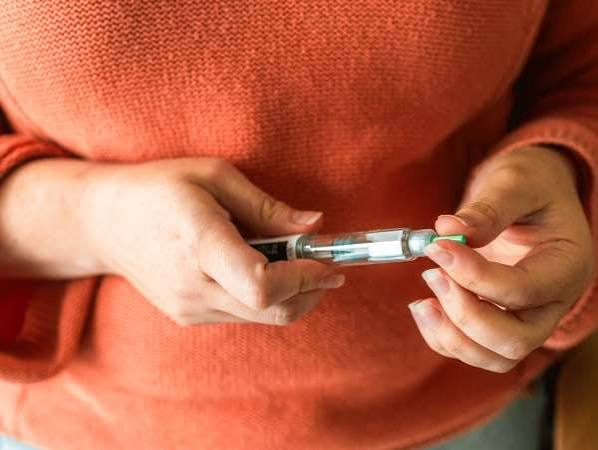
A new clinical study described in reports dated October 26, 2026, has drawn attention to a possible connection between menopause hormone therapy and GLP 1 medications used for weight management, including Wegovy. The reported findings suggest that women using both treatments may experience greater weight loss and broader health benefits than women using GLP 1 medication alone. The possibility matters to women navigating menopause, when changes in hormones, sleep, body composition and metabolism can make weight management more challenging. However, the precise study details and findings need to be verified in the published research before the combination can be considered an established treatment strategy. For patients and clinicians, the key question is whether the apparent benefit is supported by strong evidence and whether the potential advantages outweigh the risks for each individual.
Why Researchers Are Examining Menopause and Weight Management Together
Menopause marks a natural transition in a woman’s life, but the physical changes associated with it can be difficult to manage. During the transition, fluctuations and eventual declines in estrogen can influence fat distribution, bone health, sleep, mood and other aspects of wellbeing. Many women notice that weight begins to accumulate more readily around the abdomen, even when their eating habits and daily routines have not changed dramatically.
Ageing can contribute to these changes as well. Muscle mass may decline over time, daily activity can decrease, and sleep disruption can make healthy routines harder to maintain. The result is not the same for every woman, and weight changes cannot be attributed to hormones alone. Genetics, medication use, stress, diet, activity levels and existing medical conditions can all affect an individual’s experience.
These overlapping factors help explain why researchers are interested in treatments that address different parts of the problem. Menopause hormone therapy is primarily used to treat symptoms associated with menopause in appropriate patients. GLP 1 medicines, by contrast, act on pathways involved in appetite regulation and blood sugar control and may support substantial weight loss when prescribed for an approved indication.
The idea that the two approaches could work together is scientifically interesting, but a plausible explanation is not proof of a combined benefit. Clinical trials must establish whether patients actually experience better outcomes, how large those benefits are and whether the results remain consistent over time.
How GLP 1 Medications Support Weight Loss
GLP 1 refers to glucagon like peptide 1, a hormone involved in regulating blood glucose and appetite. Medicines that act on this pathway can help people feel full, reduce hunger and consume less food. Some also affect how quickly the stomach empties, although the degree and clinical relevance of this effect vary by medicine and over time.
Wegovy contains semaglutide, a medicine used for chronic weight management in eligible patients. It is not simply an appetite suppressant in the everyday sense. It acts on biological signals involved in appetite and satiety, and it is generally used as part of a broader treatment plan that includes nutritional guidance and physical activity.
Other medicines in this category have related but not identical effects. The right medication depends on the patient’s medical history, treatment goals, other medicines, eligibility and tolerance. These drugs can cause side effects, including nausea, vomiting, diarrhoea and constipation. More serious complications are possible in some circumstances, so treatment requires medical assessment and follow up.
Weight loss can improve several health measures for some patients, including blood glucose control, blood pressure and mobility. The extent of improvement varies, and a reduction on the scale does not automatically mean that every health risk has been resolved. Long term care should consider muscle strength, nutritional adequacy, cardiovascular health and whether the treatment remains appropriate.
What Menopause Hormone Therapy Does
Menopause hormone therapy, sometimes called hormone replacement therapy, supplies estrogen and, for many patients who have a uterus, a progestogen to protect the lining of the uterus from the effects of estrogen alone. The exact treatment depends on a person’s symptoms, medical history, age, time since menopause and whether the uterus is present. Estrogen may be delivered through tablets, patches, gels or other formulations.
For appropriately selected patients, hormone therapy can be an effective treatment for bothersome hot flashes and night sweats. It may also help with certain menopause related symptoms and prevent bone loss while treatment continues. It is not a universal treatment for every effect of ageing, and it is not prescribed solely as a weight loss medication.
Benefits and risks depend on the formulation, dose, route of administration, duration of use and individual health profile. A history of certain cancers, blood clots, stroke, liver disease or unexplained vaginal bleeding may change whether hormone therapy is appropriate. Patients should discuss personal and family medical history with a qualified clinician before starting treatment.
For accessible guidance, the National Health Service information on hormone replacement therapy explains common uses, treatment options and safety considerations. Such information can support a discussion with a clinician, but it cannot replace an individual medical assessment.