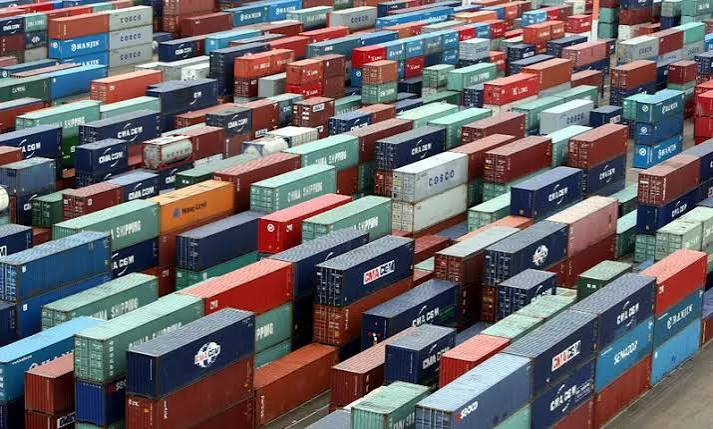
On June 26, 2026, the sudden resumption of regular maritime transits through several major global trade corridors offered immediate relief to international property developers who had endured months of acute supply chain disruptions. The reopening eased pressure on construction schedules, reduced freight premiums and restored predictability to sourcing of critical materials such as steel, cement additives, glass and specialty finishes. For developers, contractors and investors, the change feels less like a single logistical victory and more like the return of a familiar rhythm that had been missing from project calendars.
How maritime flow restored a fractured materials pipeline
Project managers I spoke with described the last nine months as an exercise in contingency planning multiplied. Ocean carriers had been rerouting ships, ports were congested and container equipment sat idle in secondary hubs. Those factors produced cascading shortages for cross-border projects that rely on just in time delivery of prefabricated elements, mechanical systems and surface materials. The recent reopening reduced voyage times and freed up containers, which translated quickly into better lead times for ordered components and fewer emergency air shipments that had been inflating budgets.
The mechanics are straightforward. When tonnage and container availability return, the effective supply of materials increases and the spot freight market cools. That combination lowered the additional logistic costs that developers passed through to budgets and bid prices. For urban high rise projects and residential master planned communities alike, the immediate effect has been a recalibration of procurement strategies back toward planned buys rather than crisis buys.
Immediate operational changes on active job sites
On a waterfront mixed use development outside a major European port, the site superintendent told me the mood shifted visibly within two weeks. Crews who had been idle waiting for curtain wall units began installing glass panels again. An HVAC contractor received long delayed chillers shipped from East Asia and rebooked commissioning teams. Suppliers reported fewer expedited orders because scheduled shipments were arriving within forecast windows. Those operational improvements reduce overtime, prevent trade overlaps and keep quality control tighter because teams can follow planned sequencing instead of improvising workarounds.
Financial implications for developers and investors
Lower freight volatility has immediate balance sheet consequences. Developers contend with two cost levers at once, raw material prices and transport premiums. With freight premiums retreating, many development budgets have regained positive slack that had been eroded by emergency surcharges and the need for buffer inventory. Lenders and equity partners are reassessing risk margins and some delayed financing milestones are being revisited because projected cash flows look less stressed.
Market analysts expect the rebalanced supply dynamics to push some regional property markets toward renewed construction activity. That will likely be uneven. Projects with complex imported components benefit first. Inbound supply improvements reduce the probability of default on construction loans for projects that had struggled to maintain schedules. Portfolio managers I interviewed say they will still hedge for geopolitical risk, but they are reinstating previously paused acquisitions and advancing pipeline projects that had been on the shelf.
Cost and schedule examples
A midsize logistics park that had delayed roof membrane orders because of container shortages received its scheduled shipment within ten days of the first resumed transits. That allowed the developer to bring roofing crews back and reduce the project delay from six weeks to ten days. Another case involved a hotel renovation where specialty lighting fixtures that had been routed through alternate ports cleared customs and reached the site two weeks earlier than feared, avoiding a costly rebooking of finishing trades.
Sectors that benefit first and those still fragile
Not all sectors recover at the same speed. Bulk commodity shipments, such as cement clinker and aggregates, regained operational stability quickly because they move on bulk carriers with different logistics than containerized goods. Heavy construction that depends on modular steel and prefabricated bathroom pods also saw fast improvement because those items had been waiting on a handful of container sailings.
By contrast, projects that depend on highly specialized equipment with long manufacturing lead times remain vulnerable. Items that require factory scheduling or regulatory certification in origin countries do not snap into place simply because shipping lanes reopen. Developers in these sectors continue to plan conservatively and maintain contingency reserves.
How procurement teams are adapting procurement strategies now
Procurement directors are adjusting procurement playbooks in response to regained stability. Best practices I observed include a mix of short term and medium term tactics
- Reinstating rolling purchase orders for standard materials to lock in availability while avoiding lumped inventory costs
- Negotiating hybrid freight terms with carriers to balance spot savings with guaranteed capacity
- Maintaining strategic buffer stock for long lead items while reducing blanket emergency purchasing for common supplies
- Diversifying supplier bases to include nearer shore vendors for high risk components while preserving established overseas relationships for cost efficiency
Labor, scheduling and community impacts on the ground
Beyond materials, the reopening reduced stress on site labor markets. When critical components arrive on time, trades can schedule effective handoffs and avoid the accelerations that cause fatigue and mistakes. In neighborhoods adjacent to large builds, residents notice fewer night shifts and less traffic from rerouted deliveries. Municipalities that had coordinated extended lane closures to accommodate sporadic delivery windows can now plan shorter, predictable road use permits. Those small quality of life effects matter to community relations and local approval processes.
Policy and port infrastructure implications
The episode exposed weaknesses that government agencies and port authorities will likely address. Policymakers are evaluating incentives for container repositioning, investments in terminal automation and streamlined customs procedures to reduce chokepoints. Major ports are also negotiating with carriers to incentivize return trips that balance flows and reduce idle containers in secondary markets. Thoughtful public policy can reduce the chance of recurrence and support long term resilience for cross-border construction supply chains.
Readers interested in broader trade flow data can consult analysis from international trade institutions and port authorities such as the World Trade Organization or the Port of Rotterdam for updated cargo throughput figures and route analyses WTO Port of Rotterdam.
What developers should do next
For development teams moving from damage control to steady state, the priorities are clear. Revisit project schedules and cost forecasts with recently received shipment data. Reengage with lenders about amended milestones supported by improved logistics. Tighten quality assurance for trades that were idled to ensure that restarted work does not carry latent defects. And maintain a risk overlay that accounts for political, weather related and port labor variables even as immediate pressures ease.
Closing observation
The reopening of major maritime arteries did more than move metal and glass. It restored cadence to complex construction ecosystems where timing matters as much as materials. The relief felt on job sites and in boardrooms is practical and immediate, but not absolute. Developers who convert this breathing room into disciplined scheduling, smarter procurement and continued risk management will likely emerge stronger and better prepared for the next supply chain stress event.