On June 26, 2026, global tourism organizations reported a striking spike in cross border travel across 16 major host cities in the United States, Canada and Mexico as newly established bilateral travel corridors opened to international visitors. Airports hummed with fuller departure boards, boutique hotels reported near capacity stays and sister city programs that once operated quietly behind municipal doors found themselves at the center of a people to people celebration. For travelers, host communities and local businesses the moment feels like a reopening of shared civic life that had been constrained for years.
How bilateral corridors created an instant travel impulse
Officials involved in the corridor agreements told me the design was pragmatic. The arrangements simplified entry requirements for validated travelers, coordinated public health protocols and established expedited processing lanes at participating airports and border crossings. The immediate effect was to reduce friction for cultural delegations, student exchanges and fan travel between sister cities. Airlines responded by adding frequencies and running higher capacity aircraft on targeted city pairs, which lowered fares on popular routes and triggered a short term surge in bookings.
The corridors also made it easier for organized group travel, a crucial component for sister city exchanges. Choirs, sports clubs and municipal delegations that had cautioned against long lead time planning now found that passport and visa workflows matched promised itineraries. Local tourism offices saw a return of group tours that bring steady economic impact because they spend across hospitality, dining and guided services rather than concentrating revenue in a single sector.
Scenes from airports and downtowns
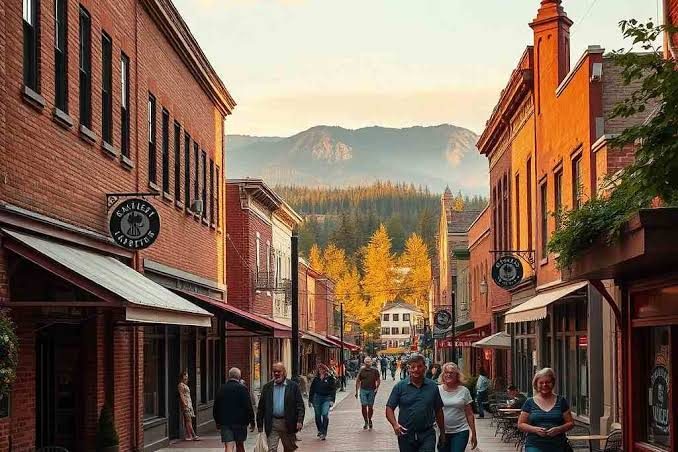
I visited two participating cities during the surge and the sensory contrast was vivid. At one international terminal I heard multilingual greetings, percussion from a visiting folk ensemble and the smell of street food served at a pop up celebrating the partnering city. Street level in a downtown sister city I walked through plazas where temporary art installations celebrated the relationship with handcrafted banners, vendors selling regional specialties and laughter from families who had timed their visits to local festivals. Those everyday sights signal deeper civic reconnections that travel enables.
Economic ripple effects for local businesses
Small business owners are among the most tangible beneficiaries. Restaurateurs reported increased weekend reservations from visiting delegations. Independent retailers that make regionally distinct crafts saw steady foot traffic. Tour operators extended walking tours to include curated experiences connected to sister city cultures and museums reported higher attendance for partner city exhibitions. This mix of spending patterns matters because group travel typically spills over into neighborhood commerce rather than staying isolated in headline hotel statistics.
Hoteliers recaptured revenue lost to prolonged low occupancy periods. Some properties used the surge as an opportunity to pilot package offerings that tie cultural programming with accommodation, locking in mid week stays and increasing the length of stay for visitors who previously might have only made a day trip.
Data points and what they reveal
Tourism bodies released initial metrics showing year over year arrivals rising in double digits for the 16 host cities during the first two weeks of the corridors operating. Average daily room rates showed modest gains while occupancy curves improved most on weekends tied to festivals and sporting events. The mixed picture suggests sustained demand for cultural travel at scale and points to potential pressure on transport and accommodation capacity during peak dates.
Community diplomacy and sister city relations
Sister city programs gained practical momentum. Municipal leaders described renewed exchanges focused on sustainable urban projects, youth sports, education and cultural festivals. These exchanges are not merely symbolic. Delegations are signing memoranda on climate adaptation projects, joint heritage conservation and student scholarship pathways. For city officials the corridors have meant operational ease when sending official delegations to observe urban practices and to host reciprocal visits where municipal teams share policy tools.
For residents, that diplomacy becomes tangible when a visiting delegation helps refurbish a public library, works on community garden projects or co hosts bilingual performances. Those projects leave visible legacies that foster continued civic goodwill and provide practical benefits beyond the initial tourism bump.
Traveler experience and safety considerations
Travelers I spoke with expressed relief at clearer entry protocols, though many said they still carry contingency plans. Booking behaviors show a preference for refundable fares and layered travel insurance. Municipal tourism offices emphasized visitor orientation materials in multiple languages and enhanced crowd management at events to protect public space quality for both residents and visitors.
Public health officials in participating regions reported coordinated surveillance and rapid response frameworks to reduce the risk of cross border disease spread. Those frameworks balance openness with caution and rely on transparent communication to maintain traveler confidence while protecting host communities.
Practical tips for travelers planning sister city visits
- Verify corridor validation requirements and carry printed as well as digital documentation to streamline entry processing
- Book group activities in advance because curated experiences tied to sister city programming fill quickly
- Purchase refundable or flexible fare options and consider travel insurance that covers trip interruption for regulatory changes
- Engage with local visitor centers for bilingual orientation and to learn about volunteer opportunities tied to civic exchange projects
Challenges that could temper growth
Demand surges raise management challenges. Transportation nodes such as train stations and local transit systems are experiencing peak pressures during festival weekends. Short term capacity constraints require cities to coordinate timed entry for popular attractions and to expand temporary public services. Labor shortages in hospitality remain a structural issue in some markets and could limit service quality if not addressed quickly.
There are also equity questions at the heart of sister city tourism. Municipal leaders must balance welcoming visitors with protecting affordable housing markets and maintaining access for residents to cultural spaces. When visitors crowd neighborhood parks or drive up weekend rentals cities need clear policies that preserve resident priorities while sustaining tourism benefits.
Policy lessons and longer term opportunity
Policy makers are taking notes. The corridors provided a controlled test of rapid facilitation mechanisms and revealed where bureaucratic friction still exists. Lessons include the value of interoperable traveler information systems, the need for predictable carrier commitments and the benefit of tying cultural programming to corridor activation so that local economies receive a distributed share of tourism revenue.
There is a strategic opportunity to cultivate mission oriented tourism that funds public projects and youth exchanges. Municipal finance teams are exploring targeted levies or cultural surcharge models where a portion of visitor spending funds sister city projects, vocational training for hospitality workers and preservation efforts.
Where this movement could lead
If the corridors sustain momentum municipalities can institutionalize regular exchange calendars, expand student mobility programs and professionalize cultural tourism offerings. That could generate steady economic value and deepen civic ties across borders. Critics caution against unchecked growth, but many city leaders I spoke with want measured expansion that preserves local character while sharing economic gains.
For readers who want context on cross border mobility frameworks and best practices for cities, resources are available from global institutions such as the United Nations World Tourism Organization and municipal networks that document sister city exchanges UNWTO.
Final reflection
The surge in cross border travel and the renewed focus on sister city ties represent more than an uptick in airline passenger numbers. They represent civic reconnection and the resumption of exchanges that give texture to international relations at a human scale. When delegations sing together in a public square, when students study alongside peers across a border and when visitors spend in neighborhood cafes the work of building shared understanding proceeds in small, meaningful increments. Cities that steward those moments carefully stand to gain not only economically but socially through deeper, more resilient relationships with counterpart communities.