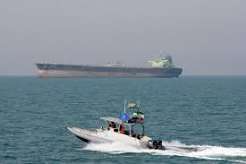
Global energy markets are once again being pulled into a dangerous current. As the US Iran conflict widened on July 17 and 18, 2026, crude prices swung sharply and major trade routes near critical shipping hubs came under renewed pressure, raising the cost of moving goods, fuel, and food across the world.
A market on edge
I have watched oil markets long enough to know that they can absorb a great deal of noise, but what is unfolding now is not noise. It is a direct challenge to the arteries of global commerce, especially the Strait of Hormuz, where attacks on shipping and strikes near infrastructure have already unsettled traders, insurers, and transport operators. Reuters reported that the conflict has kept Brent and WTI crude under intense pressure, with prices moving on each headline and each new sign that supply routes could be interrupted.
[reuters](https://www.reuters.com/business/energy/oil-rises-after-us-launches-fresh-strikes-against-iran-2026-07-09/)
The result is a market where fear is not abstract. It is priced into every barrel. The United Nations said renewed attacks on shipping in the Strait of Hormuz had unsettled energy markets and warned that prices and volatility were likely to stay elevated, with supply disruptions expected to continue for months if the instability persists. That warning matters because the world depends on this waterway not just for oil, but for the confidence that ships can pass through it safely.
[news.un](https://news.un.org/en/story/2026/07/1167898)
Why Hormuz matters
The Strait of Hormuz is one of the most consequential chokepoints in the global economy. A large share of the world’s seaborne oil flows through this narrow passage, and even a temporary slowdown can ripple outward into freight rates, refinery margins, and consumer prices. When traffic falls there, tanker crews reroute, insurers raise premiums, and buyers rush to secure alternative supplies, often at higher cost.
[aljazeera](https://www.aljazeera.com/economy/2026/7/10/strait-of-hormuz-shipping-grinds-to-halt-as-us-iran-resume-fighting)
That is why the latest escalation carries weight far beyond the Gulf. When infrastructure near shipping hubs is targeted, the damage is not limited to a single port or vessel. It introduces doubt into every schedule, every contract, and every delivery chain that relies on predictable passage. In practical terms, that means higher fuel costs, delayed shipments, and a broader squeeze on trade that can reach supermarket shelves and factory lines thousands of miles away.
How prices moved
Oil prices have not moved in a straight line, which is part of what makes this crisis so hard to read. After earlier strikes and retaliatory moves, Brent crude jumped above the mid 70s and then climbed further as fighting intensified, with some reports noting a rise to roughly the high 80s during the latest wave of disruption. Other market snapshots showed brief pullbacks as traders weighed the chance of weaker demand against the risk of tighter supply, a sign that the market is torn between fear and caution.
[aljazeera](https://www.aljazeera.com/news/2026/7/8/oil-prices-surge-as-us-strikes-iran-reversing-fall-to-pre-war-levels)
That tension is familiar to anyone who follows commodities. Supply shocks push prices up quickly, but if those prices rise too far, too fast, they can also damage demand. This is why even a brief lull in hostilities can trigger a selloff, while a single attack near a shipping lane can send crude back upward in minutes. The market is not simply reacting to barrels lost today; it is trying to forecast the possibility of barrels that may never move tomorrow.
Trade routes under strain
The oil story is only part of the picture. Trade routes near the conflict zone are also under strain, and that means more than just tanker traffic. Container ships, bulk carriers, and regional cargo networks all depend on confidence that passage will remain open and insurance will remain affordable. When that confidence weakens, ships wait, reroute, or charge more for the risk.
That delay matters for global commerce. Cargo moving through the Gulf often connects energy exports to Asia, industrial inputs to Europe, and consumer goods to markets far beyond the region. When a chokepoint is threatened, shipping schedules unravel in layers. The immediate effect is congestion and higher freight rates. The longer term effect is a slower, more expensive trade system that forces companies to carry larger inventories and absorb more uncertainty.
What businesses are watching
- Fuel and freight costs, which can rise quickly when insurers and carriers add conflict premiums.
- Delivery schedules, especially for goods that move through Gulf ports or depend on connected shipping lanes.
- Refinery supply, since disruptions to crude flow can tighten fuel availability in key importing regions.
- Consumer prices, because higher transport and energy costs can work their way into everything from food to airfare.
What this means for consumers
For households, the effect may first appear at the pump, then on energy bills, then in the price of imported goods. Airlines face higher fuel costs, shipping companies face more expensive routes, and retailers often feel the pressure when replacement inventory costs more to move. The UN warning that volatility could persist for months is especially important here, because prolonged uncertainty tends to spread pain widely rather than sharply.
[news.un](https://news.un.org/en/story/2026/07/1167898)
There is also a psychological effect that markets never fully capture. When families see fuel costs rise and headlines worsen, they change habits. They delay purchases, cut discretionary spending, and become more cautious about travel. That caution can slow economic activity even in countries far from the fighting, which is why oil shocks often travel faster than the oil itself.
The wider political risk
This crisis is not happening in a vacuum. The escalation has already drawn in policy decisions affecting sanctions, shipping controls, and military posture, with each move creating another round of uncertainty for markets. The danger is not only that the conflict could damage infrastructure, but that it could normalize disruption and make global trade permanently less efficient for as long as tensions remain high.
[nytimes](https://www.nytimes.com/2026/07/08/business/oil-gas-markets-shipping-hormuz.html)
That is the part I find most sobering. Markets can adjust to a short blockade, a brief strike, or a temporary closure. What they struggle with is repetition. Each new attack teaches companies to expect the next one, and that expectation becomes a tax on the world economy. Once confidence is broken, rebuilding it takes far longer than repairing physical damage.
What to watch next
In the coming days, the most important signals will be tanker traffic through the Strait of Hormuz, military activity near ports and terminals, and whether crude prices hold their gains or settle into a new, higher range. Investors will also watch whether governments call for restraint, whether maritime agencies issue stronger advisories, and whether shipping firms start widening route detours. The UN has already urged maximum restraint and de escalation, a reminder that the stakes are both economic and human.
[news.un](https://news.un.org/en/story/2026/07/1167898)
For now, the global economy is living with a simple but unsettling reality: a conflict centered on critical shipping hubs can do more than move markets. It can reshape the cost of daily life, unsettle trade from Asia to Europe, and force governments and companies alike to plan for a more fragile world. The shock is already here, and its aftershocks may linger long after the next headline fades.
For a broader view of oil market benchmarks, the U.S. Energy Information Administration remains a useful reference point, while the International Maritime Organization provides context on global shipping safety and maritime disruption.