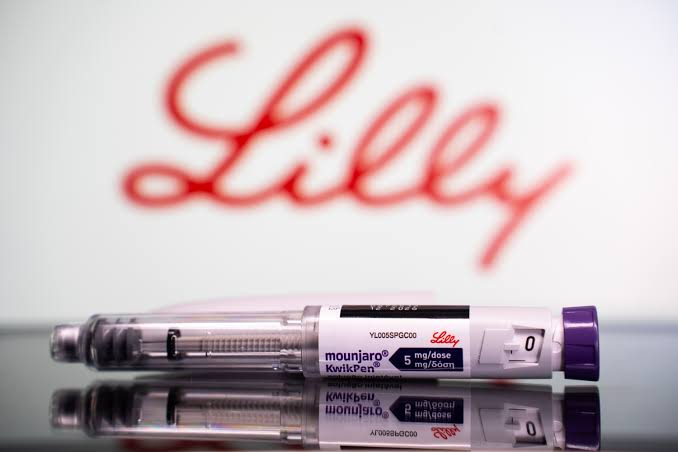
Eli Lilly said retatrutide met its primary endpoints in Phase 3 obesity trials, with adults in the studies showing significant weight reduction and improved A1C levels across groups that included people with obesity, type 2 diabetes, and cardiovascular complications. For patients and clinicians watching the obesity drug field closely, the results mark another notable step in a fast moving area of medicine where weight loss, blood sugar control, and long term risk reduction are increasingly being studied together.
What the trial results show
The headline result is straightforward: retatrutide cleared the main goals set by the late stage studies. That matters because primary endpoints are the core measures that determine whether a drug has shown enough evidence to move a program forward with confidence. In this case, the company said the medicine produced meaningful weight loss while also improving A1C, the standard blood test used to track average blood sugar over time in people with diabetes.
For people living with obesity and type 2 diabetes, that combination is especially important. Lower body weight can ease strain on the heart, joints, and liver, while better glucose control can reduce the risk of long term complications. When a therapy appears to move both measures in the right direction, it becomes more than a weight loss drug; it becomes part of a broader chronic disease strategy.
Why A1C matters
A1C is one of the clearest markers doctors use when discussing diabetes care because it reflects how well blood sugar has been controlled over roughly three months. A reduction in A1C can indicate that a treatment is helping the body manage glucose more effectively, which may lower the risk of problems such as kidney disease, nerve damage, and vision loss. For patients, that number often carries more practical meaning than any single reading from a glucometer.
The inclusion of adults with cardiovascular complications also gives the results added weight. People in that group often face overlapping risks, and even modest gains in weight and glycemic control can be clinically meaningful. The most important question now is not simply whether retatrutide works in a trial setting, but how its benefit profile compares with existing treatments once safety, tolerability, and durability are fully examined.
How retatrutide fits the market
Retatrutide is being closely watched because obesity medicine has become one of the most competitive areas in pharmaceuticals. The success of GLP 1 based therapies has changed expectations for what modern treatment can achieve, but it has also raised the bar. New drugs are no longer judged only on whether they reduce weight; they are judged on how much weight they reduce, how well they control diabetes, how durable the effect is, and how patients tolerate them over time.
That last point matters. In this class of medicines, nausea, vomiting, diarrhea, and stomach discomfort have been common reasons some patients struggle to stay on therapy. Eli Lilly’s existing injectable products already carry those familiar gastrointestinal concerns in their public safety information. Any new treatment entering this space will need to prove that its benefits are not offset by side effects that are difficult for patients to live with.
[lilly](https://www.lilly.com/news/media/mounjaro)
Safety will shape the story
The company’s announcement arrives in a period when regulators and investors are paying especially close attention to obesity drug safety. The FDA has recently pressed Eli Lilly for additional post approval safety data on one of its newer obesity treatments, including information on cardiovascular events, liver injury, and delayed gastric emptying. Those requests do not mean a safety problem has been established, but they do show how carefully the agency is watching the class as it expands into larger patient populations.
[reuters](https://www.reuters.com/business/healthcare-pharmaceuticals/us-fda-requires-lilly-conduct-post-marketing-studies-obesity-pill-2026-04-14/)
That broader context matters for retatrutide. Strong efficacy can drive excitement, but approval and adoption depend on whether the medicine can be used safely in the real world, including among people with multiple medical conditions. Patients, physicians, and payers will all want to know how often side effects lead to discontinuation, whether the drug can be used alongside other therapies, and how it performs over longer periods than a trial can fully capture.
What patients may notice
For many readers, the most human question is simple: what could this mean in everyday life? If the reported trial results hold up, retatrutide could represent another option for people who have struggled for years with weight, blood sugar, and the emotional burden that often comes with both. A treatment that meaningfully lowers body weight and improves A1C may help some patients feel less trapped by numbers that once seemed stubbornly fixed.
Still, no trial result should be mistaken for a personal guarantee. Every obesity medicine works differently in real life because people bring different diets, activity levels, medical histories, and tolerability thresholds. The next stages of reporting will need to answer practical questions in plain language: how much weight was lost, how many patients stayed on treatment, what side effects were most common, and whether the benefits were sustained after the most intensive part of the study ended.
Industry and investor stakes
From a business perspective, the stakes are enormous. Obesity treatment has become one of the most closely watched commercial battlegrounds in health care, with demand driven by patients, employers, insurers, and public health systems looking for options that go beyond lifestyle counseling alone. A successful Phase 3 readout can shift expectations quickly, influencing everything from market valuation to physician interest to the pace of future regulatory submissions.
For Eli Lilly, another positive late stage result could strengthen its position in a market where competition is intense and patient expectations are rising. But the company will still need to show that retatrutide offers something clinically distinct enough to matter. In this space, the difference between a promising drug and a truly leading one often comes down to real world usability as much as raw efficacy.
The bigger public health picture
What makes this development so significant is that obesity and type 2 diabetes are not isolated conditions. They are intertwined with heart disease, stroke risk, sleep problems, fatty liver disease, and reduced quality of life. When a therapy can improve weight and A1C together, it has the potential to address more than one layer of risk at the same time. That is why results like these draw so much attention from doctors, patients, and health systems alike.
The next phase of the conversation will likely focus on whether retatrutide can deliver those benefits consistently enough to become a meaningful part of routine care. For now, the Phase 3 results provide an encouraging signal that the drug is doing what late stage trials are supposed to test: showing whether a medicine can move the numbers that matter and do so at a scale that could matter in real clinics. For patients waiting for better options, that is a development worth watching closely.
What comes next
As Eli Lilly moves ahead, the key milestones will be additional trial detail, regulatory filing plans, and a fuller accounting of safety and tolerability. Public health agencies such as the National Institute of Diabetes and Digestive and Kidney Diseases continue to provide useful background on obesity and diabetes as chronic conditions, while the Food and Drug Administration remains the central body to watch as new data move toward possible review. Those institutions will matter as much as the company itself when this story shifts from trial news to medical practice.
For now, the result gives Lilly a clear scientific talking point and gives patients another reason to hope that obesity care may keep moving toward treatments that address both weight and metabolic health. In a field where progress is measured in pounds lost, glucose lowered, and risks reduced, that is no small thing.