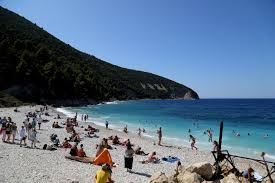
Plans for a lavish holiday resort connected to Jared Kushner have ignited protests, drawn legal scrutiny, and reopened debates about environmental stewardship and governance of international eco tourism. The project has become a flashpoint where local communities, regional authorities, and global conservation groups confront private developers and their political ties, raising questions about accountability, transparency, and the future of sensitive coastal and island ecosystems.
What the project proposes and where it stands
The resort proposal envisions an exclusive, high end complex on a stretch of coast and adjacent islands popular with migratory birds and local fishers. Promoters describe private villas, yacht mooring, high end dining, and curated nature experiences targeted at wealthy international tourists. Local planning filings and promotional materials point to substantial infrastructure upgrades including marinas, access roads, and desalination or water import systems to meet seasonal demand.
Official approvals remain contested. Some municipal planning boards have issued preliminary permits, while environmental agencies, regional courts, and human rights groups have lodged formal objections. Litigation is active in multiple jurisdictions and protest camps have sprung up near proposed work sites. Developers have defended the project as job creating and revenue generating, but opponents say promised benefits do not outweigh ecological harm and social displacement.
Why the controversy has gone international
The developer’s links to Jared Kushner, a former senior White House adviser with an active global business profile, have amplified interest beyond local newspapers and planning notices. Reports connecting the project to international investors and political networks have invited scrutiny from European regulators and transnational advocacy organizations. That scrutiny has moved beyond reputational worries to legal and regulatory avenues as cross border financing and tourism governance norms are examined.
Environmental groups based in multiple European capitals have launched coordinated campaigns. They have highlighted potential threats to coastal wetlands, coral beds, and migratory bird corridors, and have sought intervention from supranational bodies concerned with biodiversity and international heritage protection. The international attention has in turn bolstered local resistance and prompted oversight bodies to reopen environmental impact assessments that earlier had been fast tracked.
Environmental concerns and scientific warnings
Independent ecologists and university researchers brought in by conservation NGOs stress that the area contains habitats with limited resilience to new construction. Scientists warn that shoreline hardening, dredging for marinas, and increased light and noise pollution will fragment critical breeding grounds. Freshwater demands from luxury developments often strain scarce local aquifers or force energy intensive desalination projects, which carry additional carbon and marine impacts.
Long term risks flagged in peer reviewed studies include accelerated shoreline erosion, decline in fish stocks that support local fisheries, and losses in native plant communities. Some researchers argue that small scale mitigation measures are unlikely to offset large scale habitat alteration associated with high end tourism. They recommend precautionary approaches consistent with international conservation frameworks and better integration of community led ecological monitoring.
Local communities and social justice questions
Residents in nearby towns tell a different story from glossy brochures. Fishers describe seasonal access restrictions to traditional fishing grounds, small farmers fear land speculation and inflated rents, and service workers worry about precarious jobs that disappear after peak season. Community leaders have staged sit ins, organized public consultations, and filed legal motions alleging inadequate notice and insufficient compensation.
Human rights advocates have raised concerns about the project’s land acquisition processes, potential displacement, and the adequacy of social safeguards. They cite international guidelines on involuntary resettlement and call for independent audits of consultation records. The social justice argument has resonated with broader civil society networks across the region and contributed to solidarity demonstrations in European cities where potential investors maintain offices.
Regulatory responses and legal maneuvers
Regulators have shown mixed responses. Some municipal bodies initially fast tracked permits under promises of investment and employment. Once international attention mounted, regional environmental agencies reopened reviews and ordered additional baseline studies. Courts in at least two jurisdictions issued temporary injunctions halting construction until comprehensive impact assessments satisfy statutory standards.
In parallel, developers have sought arbitration clauses and investor state dispute settlement options often embedded in bilateral investment treaties. Critics argue those mechanisms can chill rigorous environmental regulation by exposing states to expensive claims. Legal scholars propose tighter scrutiny of such clauses and call for clearer rules that protect the right of states to regulate in the public interest without risk of punitive investor litigation.
Financial flows and investor responsibility
Analysis of corporate filings and beneficial ownership records reveals a web of holding companies and international capital. That structure complicates due diligence and public accountability. European pension funds, private equity firms, and family offices are among the entities whose exposure to the project is now under pressure from institutional trustees and ethical investment mandates.
Responsible investment advocates emphasize that environmental social and governance standards must be applied consistently and transparently. Some fund managers are already evaluating reputational risk and divestment scenarios. Financial intelligence groups are also calling for stricter anti money laundering checks where high value real estate projects intersect with opaque ownership.
International governance for eco tourism on trial
The dispute spotlights gaps in the governance architecture for cross border eco tourism. Existing instruments such as the Convention on Biological Diversity and regional Natura style protections offer frameworks, but enforcement relies heavily on national implementation. Experts suggest an urgent need for stronger cross border safeguards specific to high impact coastal tourism projects, including standardized cumulative impact assessments and mandatory third party ecological audits.
European institutions and conservation networks are proposing a set of reforms ranging from harmonized environmental standards for coastal developments to institutionalized community consent protocols. There is growing appetite for embedding binding human rights due diligence into project financing and for clearer accountability pathways when international actors participate in sensitive local developments.
Voices from the ground
A fisher I spoke with described the pre dawn quiet that once defined the bay, now regularly interrupted by survey boats and construction scouts. He spoke of bait nets tangled in newly deposited silt and the fear that seasonal migration routes of seabirds may vanish. An environmental lawyer in a nearby capital said her inbox has filled with petitions from European foundations demanding immediate suspension of permits until independent audits conclude.
Developers counter that projects can be redesigned to reduce harm and that jobs for hospitality staff and construction workers will lift local incomes. They point to proposed conservation offsets and community investment funds. Yet for many locals those promises ring hollow without legally binding guarantees and transparent oversight mechanisms.
What comes next
Pending court rulings and regulatory reviews will determine whether ground works can proceed. If injunctions hold, developers will need to return with more detailed, independently verified impact studies and legally enforceable community benefit agreements. If courts or regulators clear the path, expect intensified monitoring by NGOs and watchdog journalists as well as potential investor backlash that could delay financing.
At a broader level this controversy is likely to influence how international investors approach tourism projects in ecologically sensitive areas. Policymakers, conservationists, and finance regulators may use this case to argue for clearer rules governing cross border development, stronger community consent processes, and transparent ownership disclosure.
Further reading and authoritative resources
For legal frameworks on biodiversity and development see the Convention on Biological Diversity site at https://www.cbd.int. For guidance on environmental impact assessment good practice consult the International Finance Corporation performance standards overview at https://www.ifc.org.
Would you like periodic updates on court decisions and environmental reviews related to this project or a deeper analysis of investor networks and ownership structures?