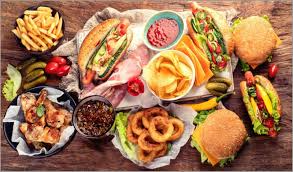
On June 4, 2026 the National Restaurant Association Show painted a clear picture: consumer spending in food retail is fracturing. High earners are flocking to premium dining rooms and tasting menus while price sensitive diners are pushing quick service restaurants into aggressive value competition. The result is a bifurcated market where culinary prestige and discount velocity exist side by side, reshaping strategy across the industry.
Data that frames the divide
Exhibitors and analysts at the show presented data showing two divergent trends. Visits and spend per cover at fine dining and premium casual outlets have risen as affluent consumers trade experiences for goods. At the same time same store sales at many quick service chains climbed in traffic but fell in average check value, prompting promotional escalations to retain price conscious customers. The contrast is stark: one cohort trades up into curated food experiences while another hunts for reliable low cost meals and bundle deals.
Why fine dining is finding new momentum
Several factors explain the uptick in premium dining. Wealth concentration among high income households, returning appetite for luxury experiences and the recalibration of discretionary budgets toward hospitality combined to boost visits to chef led restaurants and boutique wine lists. Restaurateurs described service resuming an almost theatrical cadence: staff rehearsed tasting pours, sommeliers negotiated pairings, and kitchens moved with a precision that rewarded multi course menus. For many guests the dining out experience is a deliberate ritual that signals social connection and cultural capital.
Operationally fine dining has also adapted. Many kitchens introduced shorter, refined tasting formats to better match labor constraints and to increase table turnover at peak times without losing the sense of occasion. Some venues offered subscription style reservations or member evenings that secure recurring revenue while preserving exclusivity.
QSRs fight for budget diners with value plays
At the opposite end, quick service restaurants are locked in an intense race for price sensitive consumers. Chains reported surges in transactions during promotional windows as customers responded to limited time offers and multi item bundles. The competitive response has been swift. Menu engineering teams shaved costs through ingredient optimization, limited time value items and tiered loyalty rewards that subsidize frequent low margin visits.
The customer experience at value chains remains about speed, predictability and perceived price fairness. Bright signage, streamlined digital ordering and targeted push notifications have become the primary tools to bring customers in during weak economic stretches. Some operators experimented with smaller portion lines or value dayparts to preserve margins while offering entry points for cash strapped diners.
Labor, supply chains and margin pressures
Both segments face shared operational constraints. Labor costs and supply chain volatility continue to compress margins. Premium operators often offset wage pressures with higher price points and a smaller but highly skilled kitchen staff. Quick service operators, which depend on high throughput, lean on automation points such as digital kiosks and AI assisted scheduling to control labor spend. Food cost management remains a universal priority; chefs and buyers across formats cited creative sourcing and seasonal menus as primary tools to keep plate costs within plan.
Consumer psychology and social signaling
Dining decisions reflect more than pocketbooks. For many patrons fine dining carries symbolic value: a sense of occasion, curated hospitality and cultural conversation. Social media continues to amplify that value because visually distinctive plates and intimate dining rooms generate content currency for guests. Conversely, QSRs serve a social function of reliability and comfort; value promotions and consistent taste profiles provide reassurance when budgets are tight.
The diverging behaviors also mapped closely to generational and geographic patterns. Urban affluent neighborhoods showed heavier demand for premium reservation slots while suburban and exurban corridors displayed more robust QSR traffic. Younger consumers signaled interest in both segments but were more likely to chase value deals and experimental limited offers.
Innovation born from the split
The industry response is creative hybridization. Several premium concepts introduced limited accessibility formats such as lunch tasting menus and compact chef counters priced to attract younger diners without diluting main evening offers. Quick service brands trialed elevated limited time items with premium ingredients to drive trial and higher spend while retaining core value propositions.
Technology platforms presented at the show aimed to bridge segments. Dynamic yield management systems, advanced loyalty segmentation and AI driven menu optimization allow operators to push tailored offers that preserve margin while meeting diverse consumer needs. Kitchen robotics and third party delivery integration also received renewed attention as operators seek predictable service quality at scale.
Policy and public health considerations
Policy choices affect the calculus. Minimum wage changes, food safety regulation and local licensing costs shape the ability of smaller operators to compete. Public health initiatives that subsidize healthier school meals and nutrition education can shift long term demand patterns. Industry groups emphasized the need for clearer permitting channels for small restaurateurs and for public investments in workforce training to ease staffing shortages.
Equity implications and community impact
One striking subtext at the show was concern about local culinary ecosystems. Rising fine dining often clusters in affluent districts, creating pockets of concentrated investment while smaller neighborhood restaurants face margin erosion caused by both elevated costs and customer migration to value chains. Advocates at the conference pushed for community focused initiatives such as micro grants, cooperative purchasing agreements and municipal support for affordable commercial rents to prevent cultural and economic fragmentation in urban neighborhoods.
What operators should watch next
Restaurants should monitor a set of indicators to navigate the split market. Key metrics include traffic by customer cohort, promotion lift versus cannibalization rates, labor availability and the volatility of key commodity prices. Fine dining operators will watch reservation demand cycles and private events calendars to gauge sustained premium appetite. QSRs must test the elasticity of price reductions and track loyalty retention as promotions scale.
Further reading and resources
The National Restaurant Association provides ongoing market data and policy briefs that operators can use to model scenarios and compare regional patterns. For foodservice best practices on cost control and menu engineering trade publications and culinary institutes publish actionable guides and case studies that help restaurateurs refine both premium and value strategies. For workforce supports and training programmes, regional workforce boards and hospitality trade groups offer resources on certification and apprenticeship models.
Would you like a concise decision checklist that helps restaurateurs choose whether to double down on premium experiences or to expand value offerings based on local demographics and cost constraints