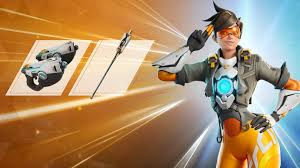
On May 16, 2026 Epic Games unveiled a sprawling crossover with Blizzard Entertainment that brings Overwatch heroes into Fortnite for limited Power Hour sessions called Calling All Heroes. The collaboration introduces signature abilities and hybrid weaponry such as Tracer’s Pulse Pistols and Mercy’s Caduceus Staff into Fortnite gameplay and will roll out regionally with staggered start times to reduce server strain. For players the event offers a fresh, kinetic blend of hero shooter mechanics and battle royale chaos while raising questions about balance, matchmaking and how two distinct design philosophies can coexist on a single island.
What players will experience during Power Hour
Power Hour sessions are timed events inside Fortnite matches where Overwatch abilities and items appear across the map for a limited period. When active players may pick up Tracer inspired dual pistols that reward hit and run tactics or use Mercy style healing beams that tether teammates and restore health over seconds rather than instantly. Iconic ultimates will be adapted to fit Fortnite pace with cooldowns and counters tuned to seasonal meta. The result is a momentary shift in combat rhythm that prizes mobility team coordination and quick decision making while preserving Fortnite core mechanics such as building and resource management.
Regional timing and technical rollout
Epic announced staggered regional start windows to ensure smoother launches across time zones and to mitigate latency spikes. Power Hour will begin at different local times in North America Europe Asia and Oceania with overlapping windows for global viewers. Epic will deploy capacity increases and monitoring tools to handle surges and has prepared rollback procedures for major stability problems. Players can check in game notices and regional social accounts for precise start times and patch details ahead of each session.
Design trade offs and gameplay balance
Combining hero shooter powers with a building centric battle royale creates inevitable balance challenges. Epic and Blizzard teams worked to translate Overwatch abilities into Fortnite friendly mechanics by reworking cooldowns, limiting ultimate potency and restricting certain skills to designated modes. For example mobility tools will consume resource charges and healing beams will require line of sight to prevent overpowering vertical play. These constraints aim to retain the spirit of Overwatch without allowing a single hero ability to dominate a match or nullify construction strategies that define Fortnite combat.
Community reaction and pro player concerns
Early reactions from streamers and pro players varied. Some praised the fresh tactical variety and cinematic set pieces that the crossover produces. Others raised concerns that the event could skew competitive integrity in ranked modes, urging Epic to confine Power Hour to casual playlists or limited time modes. Esports organizers will watch whether Overwatch mechanics leak into competitive ladders and how quickly players adapt. Community feedback during the initial rollout will likely shape immediate balance patches and future crossovers.
Visuals, sound design and sensory moments
The crossover leans heavily into audiovisual signatures to sell the mash up. Tracer pickups pulse with a neon blue aura and emit a staccato tracer noise when fired while Mercy beams glow warm and chime when they connect. Epic modified lighting and particle effects so that hero abilities read clearly across chaotic fights without overwhelming visual clarity. Those sensory cues help players track ability use in crowded engagements and contribute to the theatrical quality that both franchises deliver.
Cosmetics and player expression
Alongside gameplay elements the event includes themed skins emotes and limited time cosmetic bundles that let players wear Overwatch inspired outfits or mix elements with Fortnite originals. Cosmetic rarities include reactive items that change appearance when a Power Hour event is active. Epic emphasized that abilities will not be gated behind paid skins and that gameplay affecting items will drop in matches for all players during event windows to preserve fairness.
Monetization and consumer response
Cosmetics remain the primary revenue stream for the crossover with curated bundles and event passes offering progression tracks of unlockable items. Some fans welcomed the chance to collect crossover memorabilia while others warned against excessive microtransaction layering around limited events. Epic reiterated its policy that purchasable items will not alter combat effectiveness and pledged transparent drop mechanics for event loot.
Streaming, viewership and cultural moments
Power Hour is designed to create streamer friendly moments with high volatility plays and coordinated team fights that translate well to highlight reels. Epic expects social media engagement and viewer spikes as creators stage show matches and celebrity streamers contest for viral plays. The crossover also invites esports style exhibition matches pitting Overwatch pros against Fortnite veterans in fun showcases rather than strict competitions.
Technical partnerships and cross studio collaboration
The event represents a technical collaboration that required asset sharing, animation retargeting and careful intellectual property coordination between Epic and Blizzard. Animation teams worked to preserve signature move timing while reskinning hitboxes to fit Fortnite physics. Legal and brand teams negotiated voice line usage and music licensing to ensure the crossover felt authentic without breaching franchise boundaries. The cooperation sets a template for future large scale crossovers between major studios.
Safety, moderation and player experience
Epic will operate moderated lobbies and has updated reporting tools to handle toxicity or harassment that can spike during high profile events. Power Hour playlists will contain content filters and matchmaker parameters to reduce griefing in casual matches. The company also reinforced server side anti cheat measures because the rise in event specific items can create short term incentive for exploit attempts.
How to prepare as a player
Players looking to make the most of Calling All Heroes should review the event patch notes experiment with practice modes and adjust their loadouts to account for mobility and team healing. Learning to conserve materials for rapid builds, mastering peek and shoot tactics versus extended duels and coordinating with friends for Mercy style support will improve outcomes. Players should also check regional start times and update clients early to avoid download servers during launch windows.
Where to get official information
For exact schedules detailed patch notes and FAQ pages Epic Games public channels and the Fortnite event page will publish definitive guidance. Blizzard social channels and Overwatch community forums provide additional context about translated hero abilities and voice content. Fans seeking developer commentary can follow official livestreams and developer diaries that typically accompany major crossovers.
Final thoughts on what this means for live service gaming
Calling All Heroes is a bold experiment in live service content design that blends two passionate communities and distinct gameplay logics. If successful it demonstrates how episodic events can refresh long running titles and create cross platform cultural moments. If balance issues arise the event will test how quickly developers listen to players and iterate. For many players the payoff will be immediate joy in seeing beloved characters in a new setting and the creative set pieces that emerge when two universes collide on a single island.
Would you like a quick strategy guide for playing Tracer style loadouts in Fortnite or a breakdown of Power Hour start times by region