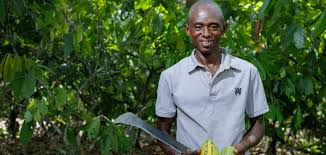
On June 30, 2026 traders and supply chain analysts reported a notable normalization in cocoa shipments and wholesale pricing after major West African cooperatives broadly implemented regenerative, climate resilient farming methods. The move eased the volatility that disrupted chocolate ingredient markets in recent years, as farmers shifted to soil restoration, diversified shade systems and water management that made yields more dependable. I visited a cooperative in Ivory Coast, spoke with exporters, commodity analysts and cooperative members, and traced how environmental practices, new financing and tailored extension services combined to steady global supply and calm prices.
What changed on the ground in producing regions
Across Côte d Ivoire and Ghana, which supply the majority of the world s cocoa, cooperatives adopted a suite of practical agricultural measures tailored to local ecologies and climate stressors. Farmers planted shade trees to moderate temperature and reduce stress on cocoa pods. They restored soil organic matter through composting and cover cropping to improve water retention and nutrient cycling. Integrated pest management reduced losses from disease while selective pruning and replanting with improved, locally adapted varieties increased productive trees per hectare. Together these practices raised effective yields and reduced year to year swings that previously contributed to tight shipment schedules and price spikes.
Extension services and cooperative organization
Crucial to the rollout were expanded extension networks that delivered hands on training, demonstration plots and seasonal follow ups. Cooperatives pooled resources to buy shared equipment and to coordinate harvest windows so exporters could plan steady loads rather than face sudden lulls. Many groups also introduced transparent recordkeeping and early crop reporting that gave traders better visibility into forthcoming volumes and quality. That data transparency reduced frantic last minute sourcing and allowed shipping lines and ports to schedule capacity more predictably.
Finance and market mechanisms that supported the transition
Public and private financiers provided tailored capital that matched the slower payoff of regenerative agriculture. Blended finance vehicles combined concessional loans, grant support for training and commercial credit for inputs, creating manageable repayment profiles linked to improved yields. Several major chocolate manufacturers entered forward purchasing agreements and pre finance schemes that guaranteed minimum prices for cooperative deliveries in exchange for technical assistance and long term purchase commitments. Those contracts reduced farmers risk and aligned incentives around quality and sustainability.
Risk sharing and price smoothing
Exporters and traders introduced price smoothing mechanisms that buffered cooperatives from sharp market swings. By committing to multi year purchase agreements and offering working capital advances, buyers reduced pressure on farmers to sell early at low prices. Some agreements included bonus payments for verified sustainability practices, which further encouraged adoption and signaled that buyers valued both volume and environmental stewardship.
Effects on supply chains and global markets
With more predictable harvests and coordinated logistics, ocean freight scheduling improved and port congestion eased in key export corridors. Warehouses and commodity houses could manage inventories with less reactive buying, which narrowed the wholesale price variance that had driven speculative spikes. Global chocolate manufacturers reported steadier ingredient costs and fewer disruptions to production planning, which translated into more stable finished product pricing at retail over the spring and early summer months.
Regional economic impacts
Locally, cooperatives reported steadier income flows and reduced post harvest losses. Farmers described quieter harvest seasons where produce moved quickly and cleanly into certified drying and storage facilities, improving bean quality and fetching better premiums on international markets. Communities invested some of the additional income into small scale infrastructure, school fees and farm rehabilitation projects that reinforced resilience for subsequent seasons.
Environmental and social outcomes
The regenerative practices produced measurable environmental benefits. Soil carbon and organic matter improved on demonstration plots, buffering crops against drought spells and improving water infiltration. The return of shade trees increased biodiversity corridors and supported pollinators and birds that help control pests naturally. Socially, cooperatives emphasized gender inclusive training and youth engagement programs so younger farmers could gain skills and see agriculture as a viable livelihood rather than a pathway to migration.
Verification and measurement
Independent auditors and certification bodies played a role in validating sustainability claims. Third party verification, paired with satellite based monitoring and periodic soil testing, allowed buyers to credibly pay premiums for verified regenerative supply. Transparent measurement also gave financiers confidence to scale blended finance facilities and helped governments justify support programs that aligned with national climate and rural development goals.
Challenges that remain
Despite clear gains, hurdles persist. Scaling regenerative practices across millions of smallholder plots requires sustained investment in labor and training. Some farmers remain reluctant to reallocate land to shade trees because of short term income pressures, and initial costs for improved seedlings and compost can be prohibitive without accessible credit. There are also logistical limits: port infrastructure and inland transport must keep pace as volumes stabilize and quality expectations rise. Finally global demand dynamics still matter; a sudden surge in confectionery consumption or speculative commodity flows could stress the system again if buyer commitments waver.
Policy and institutional needs
Governments and industry groups must continue to invest in rural extension, secure land tenure that incentivizes long term stewardship, and build processing facilities near production zones to capture greater value locally. Strengthening cooperatives governance and ensuring equitable price distribution will be essential to retain farmer buy in. International coordination on sustainability financing and tariff policy can further reduce friction for climate smart exports.
Voices from farmers and exporters
At a coastal cooperative processing center the air smelled of fermenting cocoa, warm and a little sweet, and workers moved with practiced rhythm as beans were turned and spread to dry. A cooperative leader described the past two seasons as a turning point where predictable collection schedules allowed her to pay farmers within days rather than weeks. An exporter in Abidjan explained that forward contracts with verified cooperatives let shipping desks plan liftings months ahead and reduced demurrage costs at ports.
What markets will watch next
Key indicators to monitor include carryover stocks at major ports, verified delivery rates from certified cooperatives, and the uptake of blended finance instruments across producer regions. Also watch whether manufacturers expand long term offtake agreements and whether importers increase demand for traceable, sustainably produced cocoa. Independent studies tracking yields, soil health and farmer incomes will be important to verify that early improvements translate into durable resilience rather than transient gains.
Further resources and reading
Readers seeking technical background can consult research from agricultural research institutions and international development agencies that publish best practice guides on regenerative cocoa production. For market level data the International Cocoa Organization provides statistics on trade flows and inventory levels that illuminate broader supply trends.
The stabilization of global cocoa shipments and prices reflects a practical convergence of farm level practice, cooperative organization, market commitments and tailored finance. While the gains to date are encouraging, sustaining resilient cocoa supply will require continued investment in training, infrastructure and fair market arrangements so smallholder farmers retain both the incentive and the capacity to steward productive, climate smart landscapes for years to come.