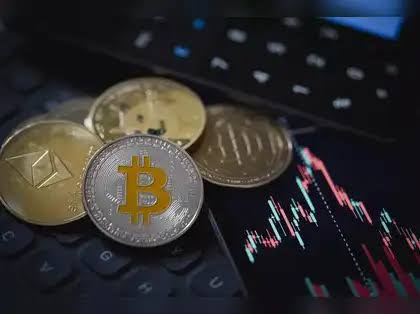
The global cryptocurrency market pulled back on September 5, 2026, with total digital asset value falling to about $2.78 trillion as Bitcoin moved toward the $79,000 level. The broader market declined 1.3 percent, reflecting a cautious shift among traders after a period of stronger momentum. Yet the retreat has not produced widespread panic. Stablecoins continue to provide liquidity across digital markets, decentralized finance remains active, and the prevailing fear and greed reading remains firmly in the Greed territory.
Crypto Market Pullback Tests Recent Investor Confidence
A decline of 1.3 percent may appear modest when measured against the dramatic price swings that have become familiar in cryptocurrency markets. Still, the movement matters because the total crypto market capitalization provides a broad view of how investors are positioning across Bitcoin, Ethereum, stablecoins, decentralized applications, and thousands of other digital assets.
Bitcoin remains the central influence on that picture. As the largest cryptocurrency approached $79,000, traders were forced to reassess how much of the recent strength could continue without a meaningful pause. For investors watching charts throughout the day, the change can feel very different from a routine market adjustment. A green screen can quickly turn red, and a portfolio that looked comfortable in the morning can appear considerably less certain by evening.
We should therefore view the latest decline in context. A market pullback does not automatically signal the beginning of a prolonged downturn. It can also represent profit taking, position adjustments, or a temporary cooling period after stronger gains. The more useful question is whether selling spreads into the infrastructure supporting the broader digital asset economy.
Bitcoin Remains the Market’s Main Directional Signal
Bitcoin continues to function as the primary reference point for cryptocurrency sentiment. When Bitcoin rises strongly, investors often become more willing to take positions in alternative cryptocurrencies and related digital assets. When Bitcoin loses momentum, those same traders can become more selective and move capital toward assets they consider more defensive.
The move toward $79,000 therefore deserves close attention. A stable recovery above important price levels could restore confidence and encourage renewed buying activity. Continued weakness, however, could increase pressure on speculative tokens and smaller projects whose valuations depend heavily on market optimism.
For ordinary investors, this distinction is important. Market capitalization can fall even when some individual assets remain resilient. A headline about a declining total market can therefore hide significant differences between Bitcoin, major alternative cryptocurrencies, stablecoins, and decentralized finance projects.
Stablecoins Offer a Different Picture
Stablecoins remain one of the more resilient parts of the digital asset economy during periods of uncertainty. Unlike cryptocurrencies whose prices can change sharply within minutes, stablecoins are generally designed to maintain a relatively stable value against a reference currency such as the United States dollar.
Their continued resilience matters because stablecoins are deeply connected to trading activity and liquidity. Traders can use them to move between positions without immediately leaving the cryptocurrency ecosystem. They also support payments, decentralized finance applications, transfers between platforms, and other blockchain based financial activities.
When investors become cautious, stablecoin activity can provide an important indication of whether capital is leaving crypto entirely or simply moving into a more liquid form. That distinction can help explain why a falling market capitalization does not necessarily mean that confidence in blockchain based financial infrastructure has disappeared.
DeFi Shows Signs of Resilience
Decentralized finance, commonly known as DeFi, is also holding up better than the broader market decline might suggest. DeFi applications allow users to access financial services through blockchain networks and smart contracts rather than relying exclusively on conventional financial institutions.
The sector includes decentralized exchanges, lending platforms, liquidity protocols, staking services, and other blockchain based financial tools. Its resilience suggests that activity within the cryptocurrency economy is not entirely dependent on speculative token prices.
That does not remove risk. DeFi users continue to face smart contract vulnerabilities, liquidity risks, market volatility, governance concerns, and the possibility of losses from poorly designed protocols. Still, continued activity during a market pullback indicates that parts of the ecosystem are being used for practical financial functions rather than simply short term speculation.
Greed Sentiment Has Not Disappeared
Perhaps the most striking part of the current market picture is the continued presence of Greed in the fear and greed indicators. Sentiment gauges attempt to capture whether market participants are behaving cautiously or showing strong appetite for risk. A reading firmly within Greed suggests that investors remain relatively optimistic despite the latest decline.
That optimism can support prices, but it can also create vulnerability. When traders become convinced that prices will continue rising, they may take larger positions or accept greater risk. If market conditions change suddenly, crowded positions can lead to faster selling.
We should therefore treat a Greed reading as a measure of sentiment rather than a direct prediction of future prices. Strong optimism can continue for an extended period, but it can also change quickly when liquidity conditions, regulation, interest rates, or major market events shift.
What the $2.78 Trillion Market Cap Means for Investors
The global market capitalization figure gives investors a useful snapshot, but it should never be viewed in isolation. A total valuation of $2.78 trillion combines assets with very different purposes, liquidity levels, adoption rates, and risk profiles.
Investors assessing the current environment may want to watch several signals together:
- Bitcoin price stability around major support and resistance areas
- Trading volume during periods of market weakness
- Stablecoin supply and liquidity across major blockchain networks
- Activity and total value locked across major DeFi protocols
- Changes in market sentiment and investor positioning
Looking at several indicators together can provide a clearer picture than reacting to one daily percentage change. The United States Securities and Exchange Commission also provides regulatory information that can help investors better understand the wider environment surrounding digital assets and securities.
Why the Next Market Moves Matter
The cryptocurrency market now enters a period where investor behavior may be more important than the daily headline number. If Bitcoin stabilizes and buyers return, the recent decline could prove to be a temporary reset. If selling accelerates and spreads into stablecoin liquidity and DeFi activity, the market could face a deeper period of consolidation.
Global economic conditions will also remain relevant. Interest rates, currency movements, liquidity conditions, regulatory decisions, institutional demand, and geopolitical developments can all influence digital asset prices. Cryptocurrency markets may operate on blockchain networks, but they do not exist outside the wider financial system.
For people who hold digital assets, this is a moment for patience rather than impulsive decisions. Sharp price movements can create a powerful emotional response, particularly when social media is filled with predictions of either an imminent rally or a major collapse. A disciplined approach means checking portfolio exposure, considering personal risk tolerance, and avoiding decisions based solely on short term market emotion.
A Market Cooling Rather Than a Clear Breakdown
The retreat to approximately $2.78 trillion presents a market that is weaker than it was during the recent advance, but the available signals do not point to universal stress. Bitcoin is under pressure near $79,000, yet stablecoins and DeFi activity remain comparatively resilient while sentiment stays in Greed territory.
That combination makes the current moment particularly interesting. The market is showing caution without widespread fear, and investors are reassessing prices without abandoning the broader digital asset ecosystem. The next phase will depend on whether Bitcoin can regain momentum and whether confidence remains strong enough to support activity across the wider cryptocurrency market.
For now, the most responsible reading is neither excessive optimism nor alarm. The $2.78 trillion valuation marks a meaningful pullback, but the resilience visible across key areas of crypto suggests that the market is still searching for direction rather than declaring a definitive change in trend. The Commodity Futures Trading Commission also remains a useful source for official information on the regulatory treatment of certain digital asset markets in the United States.