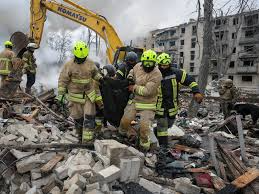
On June 2, 2026, Russian strikes inflicted heavy damage on energy facilities in Kharkiv and struck residential areas in Kyiv, deepening an unfolding energy crisis that now stretches beyond Ukraine and into European power networks. We examined the immediate human toll, the technical implications for regional grid stability, and the policy choices now facing European capitals as they respond to a conflict that is reshaping energy security in real time.
Scenes on the ground and the human toll
At dawn in Kharkiv a pall of smoke hung over an industrial district where transformer substations and distribution nodes feed both factories and apartment blocks. Survivors described a thunderous blast that cut power to thousands within seconds and left families scrambling in the dark. In Kyiv, spiraling debris from separate strikes fractured windows and damaged elevators, forcing residents to wait in stairwells and temporary shelters while emergency crews restored minimal services.
We spoke with an emergency responder who described the sensory immediacy of the aftermath. There was the metallic bite of scorched wiring, the steady throb of generators attempting to meet essential loads, and the low murmur of neighbors checking on one another. Hospitals operated on backup systems, clinics rationed heating and water, and schools postponed classes. These disruptions compound the psychological strain on communities already living under the stress of sustained conflict and economic uncertainty.
Why the strikes matter for European energy grids
At first glance damage confined to Ukrainian infrastructure appears local. The reality is more interconnected. Ukraine is a transit corridor and a significant electricity and gas consumer. Outages in major substations cause cross border flow adjustments, force rapid dispatch changes in neighboring markets, and create price volatility that spreads across European wholesale markets. Grid operators in Poland, Romania, Slovakia, and beyond have already reported altered flows and tighter reserve margins as they compensate for sudden supply imbalances.
Transmission networks depend on predictable flows and synchronous operations. When large generating units or substations go offline unexpectedly, operators must rebalance generation, manage frequency deviations, and, in worst cases, initiate controlled shedding to avoid cascading blackouts. Those operational actions raise costs and increase reliance on fast response resources such as gas peakers, emergency imports, or stored reserves.
Technical consequences and short term risks
Damage to high voltage transformers and switchyards is especially consequential because repairing these assets takes time and specialized equipment. Spare transformers large enough for transmission service are scarce and often shipped from abroad. While mobile substations and temporary rerouting reduce immediate outages, they rarely restore full capacity or the robustness required for prolonged peak demand periods.
Short term risks include increased probability of rolling outages, higher wholesale electricity prices, and stress on neighboring systems that must shoulder additional loads. Gas supply routes, if affected by attacks on compressors or pipelines, could further constrain thermal generation used to balance intermittent renewables. That combination can accelerate reserve depletion and heighten market volatility, particularly during heatwaves or cold snaps.
European policy responses and market reactions
European governments and grid operators are reacting on several fronts. Emergency reciprocal agreements among transmission system operators allow cross border support with prearranged compensation. Strategic reserves and demand response measures are being activated in some markets to dampen price spikes and relieve grid stress. Meanwhile, markets have priced in higher risk premia, reflected in elevated day ahead and forward contracts for both power and natural gas.
Policy makers face immediate trade offs. Prioritizing short term supply security often means leaning on fossil fuel generation, which conflicts with long term decarbonization goals. Conversely, an exclusive focus on green transition without contingency for large scale physical disruptions risks leaving critical services vulnerable. The practical response has been layered: accelerate repairs and hardening of critical infrastructure, increase coordination for spare parts logistics, and expand targeted subsidies for vulnerable households facing steep utility bills.
What repair and resilience look like
Reconstruction begins with damage assessments and the procurement of specialist equipment. Restoring a high voltage transformer can take weeks to months depending on transport and installation constraints. Resilience measures under consideration include hardened substations, diversified routing for key transmission corridors, and modular microgrids for essential facilities like hospitals and water treatment plants.
Investment in distributed energy resources that can operate autonomously during broader outages is gaining renewed attention. Community level solar paired with battery storage and smart islanding controls reduces the consequences of centralized failures while supporting faster local recovery.
Energy diplomacy and geopolitical ripple effects
The strikes arrived amid shifting global alliances and debates over energy dependence. European capitals are accelerating diplomatic engagement to secure alternative supplies and to build redundancy into trade and transit routes. This has meant intensified talks with suppliers outside the immediate region and renewed interest in liquefied natural gas terminals, underground gas storage expansion, and long term power interconnections that enhance mutual support.
At the same time, humanitarian appeals for energy access inside Ukraine are increasing. International financial institutions and bilateral donors are being urged to prioritize funding for emergency repairs, temporary generation, and support for households facing winter or summer energy hardship. Those funding decisions will influence reconstruction timelines and the pace at which communities regain stable access to electricity and heating.
What households and businesses can expect
For residents in affected cities the coming weeks will feel like a race against time. Expect phased restoration of services, prioritized for hospitals, water utilities, and critical municipal functions. Residential neighborhoods may endure intermittent outages as operators work around damaged equipment. Businesses that rely on steady power will face increased costs from backup generation and interruptions to supply chains.
Practical steps households and small enterprises can take include registering with local emergency alert systems, preparing basic energy conservation plans, and ensuring safe operation of backup generators. Local authorities typically publish guidance for accessing temporary shelters and warming or cooling centers during extended outages.
Longer term lessons for energy strategy
This episode underscores a central lesson for energy strategy: resilience cannot be an afterthought in a conflict era. Redundancy, physical hardening, and regional coordination are as important as low carbon targets. Policymakers should pursue balanced portfolios that integrate demand flexibility, diverse fuel and import routes, and investments in grid modernization that shorten repair times and improve situational awareness.
Crucially, resilience investments must be people first. Social protections, targeted bill relief, and community decentralized resources help shield vulnerable households from the immediate shocks of infrastructure damage while strengthening social cohesion necessary for recovery.
Where to follow verified updates
For ongoing technical analysis and market data readers can consult publications from the European Network of Transmission System Operators for Electricity for operational bulletins and ENTSO E planning reports. For humanitarian and situational updates inside Ukraine the International Committee of the Red Cross and the United Nations Office for the Coordination of Humanitarian Affairs provide field verified briefings and assistance guidance.
Final observation
We are witnessing a conflict that no longer confines its consequences to front lines. The strikes in Kharkiv and Kyiv are a reminder that modern infrastructure is deeply networked and that physical attacks can produce cascading effects with real human consequences across borders. The policy choices made now will determine whether Europe can absorb these shocks while protecting vulnerable communities and maintaining progress toward cleaner energy systems.
What remains clear is this. Recovery will require technical expertise sustained political will and international cooperation focused on both rapid repair and durable resilience so that power systems serve people reliably when they are needed most.