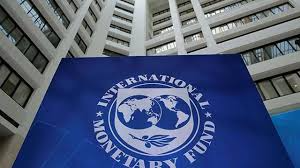
On June 3, 2026 the International Monetary Fund confirmed formal engagement with Bangladeshi authorities over a requested successor arrangement designed to address shifting macroeconomic pressures banking sector frailties and the urgent need for stronger revenue mobilization. We report from Dhaka and examine what the talks mean for ordinary households businesses and regional economic stability as governments balance short term relief with long term reform.
Why this negotiation matters beyond policy papers
The IMF outreach may read as technocratic diplomacy yet the stakes are plainly human. In crowded Dhaka neighborhoods street vendors and garment workers feel inflation in their daily purchases while small manufacturers confront rising borrowing costs. A successor arrangement can provide policy conditionality and financing that stabilizes markets but it also imposes fiscal and structural adjustments that touch public services wages and social safety nets. For families already juggling volatile prices and irregular incomes the outcome will determine whether recovery is cushioned or further strained.
Macroeconomic picture that prompted the request
Bangladesh has posted robust growth over recent decades but the macroeconomic context has deteriorated under a mix of external shocks and domestic pressures. Persistent inflationary pressures higher global interest rates and a less favorable export environment have strained foreign exchange buffers. At the same time public debt service and contingent fiscal demands complicate policy space. The IMF engagement signals both acknowledgement of those challenges and a pathway toward technical assistance and potential financing that could stabilize reserves and temper market volatility.
Key macro concerns on the table
Central elements likely to shape any successor arrangement include reserve rebuilding strategies monetary and exchange rate management and targeted fiscal consolidation measures. Policymakers will also need to reconcile near term stabilization with public investment priorities that sustain growth and poverty reduction. The negotiation will test the ability of authorities and domestic stakeholders to sequence reforms so that necessary adjustments do not disproportionately burden lower income groups.
Banking sector weaknesses and systemic risk
Banking sector resilience is a focal point. Nonperforming loans remain elevated in parts of the system and governance weaknesses at some institutions have undermined confidence. Weak capital buffers and liquidity mismatches increase vulnerability to shocks which in turn constrains credit to productive sectors. The IMF engagement typically involves diagnostic assessments accompanied by recommendations for strengthened supervision recapitalization strategies and enhanced resolution frameworks for troubled banks.
What reforms may look like
Reforms could include tighter loan classification and provisioning rules stronger corporate governance for state owned and private banks improved risk based supervision and clearer contingency planning for bank failures. Successful implementation would aim to restore depositors confidence lower borrowing spreads for creditworthy firms and unlock financing for investment. However reforms require legal changes operational capacity and fiscal resources especially where recapitalization of public banks is needed.
Revenue mobilization and equitable taxation
Revenue shortfalls have constrained the government ability to meet social commitments and invest in infrastructure. Expanding the tax base improving compliance and modernizing tax administration are central pillars of sustainable public finances. That effort must be paired with fairness measures so that tax burdens do not fall disproportionately on low income households and so that growth friendly instruments incentivize formalization of businesses.
Practical steps authorities can pursue
Measures include broadening value added tax coverage rationalizing exemptions improving digital tax filing and administration and scaling up property and wealth related tax collection where feasible. Complementary spending reviews can free up resources for social protection targeted subsidies and infrastructure that raise productivity. These steps reduce fiscal deficits while protecting the vulnerable and supporting medium term growth.
Household and business implications
For ordinary citizens the near term period around negotiations may bring policy volatility. If conditional financing comes with tight fiscal consolidation households could face slower public spending growth or subsidy reforms. Businesses may encounter tighter credit conditions as banks repair balance sheets or as monetary policy tightens to stabilize inflation. At the same time a credible IMF arrangement can lower sovereign risk premia ease external financing pressures and, over months, reduce borrowing costs and restore investor confidence.
Regional and international dimensions
South Asia is closely watched by investors and multilateral partners because macro instability in a large economy can spill over through trade remittances and financial linkages. The IMF engagement with Bangladesh will be observed by neighboring capitals as a test case for policy sequencing and partnership. Donor and private sector responses may hinge on clarity of reform commitments performance metrics and the transparency of implementation timelines.
Voices from the ground
We spoke with a small factory owner on the outskirts of Dhaka who recounted late night ledger reviews and wage decisions made under pressure from inconsistent orders and higher input costs. A social worker described queues at municipal offices where citizens sought information on subsidies and paperwork for enrolling children in school programs. These everyday scenes remind us that macro policy debates are not abstract but shape the cadence of daily life and livelihoods.
Where readers can follow verified briefings
For official documentation and program updates readers can consult the IMF country page which hosts staff reports and press statements. For domestic analysis and public finance data the Bangladesh Bureau of Statistics and the central bank publish macroeconomic indicators and banking sector bulletins that inform independent monitoring and civil society oversight.
Balancing stabilization with social protection
Negotiations must thread a narrow path. Overly rigid fiscal consolidation risks undercutting social gains and voter trust while insufficient reform undermines financial stability and growth prospects. The most durable outcome pairs credible macro stabilization with well targeted social protection and clear timelines for structural reforms. That approach preserves political legitimacy by shielding the poorest while building a stronger fiscal footing for inclusive growth.
Final reflection
As the IMF and Bangladeshi authorities enter these discussions the imperative is clear. Any successor arrangement must be technically sound politically feasible and socially responsible. It should prioritize rebuilding buffers tackling banking weaknesses and strengthening revenue systems while protecting those most exposed to economic shocks. That dual focus supports a return to steady inclusive growth and strengthens resilience for South Asia at large.
Will policymakers seize this window to pair necessary reforms with a visible commitment to social equity and transparent implementation that reassures households and investors alike