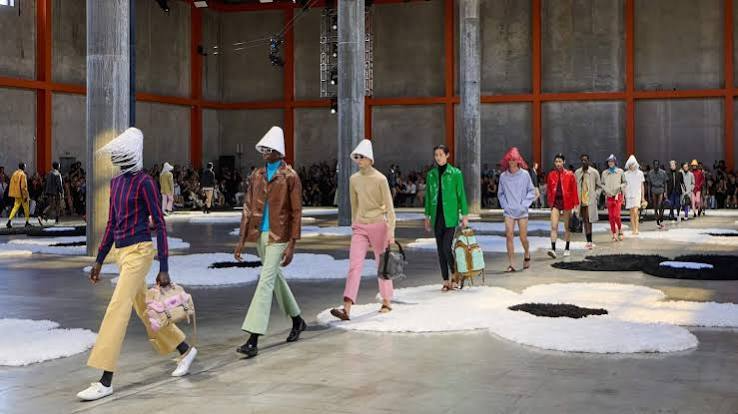
Luxury spending around the world is holding remarkably steady at approximately €1.5 trillion in 2026, but the priorities behind that enormous market are changing. Wealthy consumers are continuing to spend on premium goods, while luxury hotels, fine dining, cruises and other exclusive experiences are attracting a growing share of attention. At the same time, aspirational shoppers are becoming more selective about expensive fashion purchases. Bain & Company’s latest global luxury outlook, released on November 18, points to a market increasingly supported by its wealthiest customers and by experiences that promise memorable moments rather than another item to own.
A €1.5 trillion market enters a period of stability
Bain’s annual Luxury Worldwide Market Study estimates that global luxury spending will reach €1.5 trillion in 2026. At constant exchange rates, the market is expected to remain broadly stable, with growth ranging from zero to 2 percent compared with 2025. The industry has nevertheless expanded by an estimated 16 to 22 percent since 2019, demonstrating how substantially luxury consumption has grown over the longer term.
The latest figures do not describe a market in which every category is performing equally well. Instead, they reveal a sector adjusting to economic uncertainty, changing consumer expectations and differences in purchasing power. Geopolitical tensions, uneven regional growth and cautious discretionary spending are affecting demand. Some consumers are stepping back from expensive handbags, shoes and clothing, while others continue to spend on private travel, exclusive hospitality and high quality dining.
This distinction matters because luxury is much broader than designer fashion. Bain’s measurement includes personal luxury goods, cars, hospitality, fine wines and spirits, private jets, yachts, fine art, cruises, gourmet food and premium furniture. The headline figure therefore reflects a wide range of spending, from a luxury watch purchase to an extended stay at an exclusive resort.
Experiences become a leading source of luxury growth
The experience segment is one of the clearest winners in the latest outlook. Bain estimates that luxury experiences will generate approximately €533 billion in 2026, with growth of 2 to 4 percent compared with the previous year. The category includes luxury hospitality, high end dining, cruises, private jets and yachts, as well as fine wines and spirits.
Travel is an important part of this shift. For affluent consumers, a private villa overlooking the sea, a carefully planned culinary journey or a cruise through a remote destination can offer something that a conventional shopping trip cannot: time, privacy and a distinctive personal experience. These purchases also create memories that can be shared with family and friends.
Luxury hospitality is gaining ground, particularly in parts of Asia. High end cruises are also attracting attention, while access based services for yachts and private jets are providing alternatives to outright ownership. Such arrangements allow customers to enjoy premium travel without necessarily taking responsibility for maintaining an expensive asset.
Fine dining is another area showing strength. Bain expects gourmet food and fine dining to grow as consumers continue to spend on distinctive meals and carefully selected culinary experiences. The appeal extends beyond the food itself. Atmosphere, service, location and the feeling of receiving something personal all contribute to the perceived value.
The shift does not mean consumers have stopped buying luxury products. Bain found that one in two luxury consumers had increased spending on both products and experiences over the previous five years. The two categories serve different purposes: products can provide personal satisfaction and a sense of achievement, while experiences offer shared memories and opportunities to step away from ordinary routines.
Wealthy customers are carrying a larger share of spending
One of the most important findings in Bain’s report is the growing influence of top tier customers. Their spending is projected to reach approximately €780 billion in 2026, representing more than half of the total global luxury market. Within personal luxury goods alone, these customers are expected to account for about 48 percent of spending.
This concentration helps explain why the overall market can remain stable even when a substantial number of ordinary luxury shoppers become more cautious. Affluent customers have greater financial flexibility and may be less affected by price increases, borrowing costs or pressure on household budgets. They can continue purchasing fine jewelry, watches, exclusive travel and other premium services even when aspirational buyers decide to wait.
For luxury companies, however, relying too heavily on the wealthiest customers creates a strategic challenge. Brands must maintain a compelling relationship with their most valuable clients while also giving less wealthy shoppers a credible reason to remain interested. Bain identifies a gap between the value offered to aspirational customers and the highly personalized treatment expected by top customers.
Aspirational shoppers want to feel included and receive convincing value for their money. Top customers, by contrast, increasingly expect recognition, personal attention and a sense of exclusivity. Companies that concentrate only on either group risk losing the wider customer base that supports long term brand relevance.
Fashion demand remains uneven as consumers reconsider prices
Personal luxury goods are showing signs of recovery after two years of slight contraction. Bain expects the segment to reach €367 billion in 2026, with growth of 1 to 3 percent at current exchange rates and 2 to 4 percent at constant exchange rates.
That improvement is not evenly distributed across categories. Jewelry is the strongest performer, with expected growth of 8 to 10 percent. Eyewear is forecast to grow by 4 to 6 percent, while watches could increase by 3 to 5 percent. Beauty is expected to rise by 2 to 4 percent.
Fashion is facing a more difficult environment. Apparel is forecast to grow by only 1 to 3 percent, leather goods are expected to remain close to flat, and shoes could decline by 3 to 5 percent. Consumers are becoming more selective, particularly when products carry higher prices without offering a clear reason to justify the expense.
Jewelry’s stronger performance reflects several consumer preferences, including self purchasing, everyday wear and renewed creativity across different price points. Rather than reserving fine jewelry for special occasions, some customers are treating it as a regular part of personal style. This gives brands opportunities to reach shoppers through a wider range of designs and purchasing occasions.
Fashion companies face a different task. Heritage, recognizable design and craftsmanship remain valuable, but customers increasingly expect those qualities to be supported by products that feel distinctive and worth their price. A prestigious name alone may not be enough to persuade a cautious shopper.
Regional differences shape the global outlook
The luxury market’s performance also varies considerably by geography. The Americas are expected to maintain their lead, with total luxury spending forecast to grow by 4 to 6 percent at constant exchange rates in 2026. Strong local wealth and spending across different income groups are supporting demand.
Europe is expected to record more modest growth of 1 to 3 percent. One notable development is the changing behavior of international visitors. Some tourists are directing more of their budgets toward hotels, restaurants and travel experiences rather than luxury shopping. This shift can benefit hospitality businesses even when fashion retailers see weaker tourist purchases.
Asia Pacific faces a more complicated picture. Localized gains have not been sufficient to offset weakness in China outside hospitality, and Bain forecasts a regional decline of 2 to 4 percent. Mainland China’s personal luxury goods market remains under pressure, although jewelry and beauty have shown greater resilience than some fashion and watch categories.
The rest of the world is forecast to decline by 6 to 8 percent, with geopolitical uncertainty in the Middle East weighing on the outlook. These differences show why global luxury companies cannot depend on a single growth strategy. A campaign that works in the United States may not produce the same results in China or Europe.
Pre owned luxury offers another route to value
The second hand luxury market is also gaining importance. Bain estimates that pre owned luxury expanded at an annual compound growth rate of 7 to 8 percent between 2019 and 2025, approximately three to four times faster than the primary market. A further 4 to 6 percent increase is expected in 2026.
Consumers are attracted by several factors. Some want access to established luxury brands at a lower price, while others are searching for vintage designs, rare pieces or products with a strong history. Collectability and the possibility of finding something unusual also contribute to the appeal.
For brands, the growth of resale creates both opportunities and risks. A well managed pre owned market can introduce new customers to a brand and keep desirable products in circulation. However, authenticity remains essential. Counterfeit products and misleading listings can weaken consumer trust, making verification and reliable resale services increasingly important.
AI and longevity could reshape luxury through 2035
Bain’s longer term outlook identifies two forces that could influence the industry over the next decade: longer, healthier lives and the growing role of artificial intelligence in consumer decisions.
As people live longer and remain active later in life, luxury companies may find new demand for wellness services, advanced skincare, comfortable fashion, medical concierge services and multi generational travel. Older consumers can bring financial resources as well as more freedom to spend on interests that matter to them. Bain estimates that greater participation from Baby Boomers, the Silent Generation and Generation X could represent €300 billion to €600 billion in cumulative potential market value between 2026 and 2030.
Artificial intelligence is changing how shoppers discover products and compare brands. Bain reports that 70 percent of AI prompts about luxury are unbranded, suggesting that consumers often begin with broad questions rather than searching for a particular company. The report also finds that visitors referred through AI generate more than 40 percent higher revenue per visit. For luxury businesses, appearing in useful recommendations and providing accurate information could become increasingly important.
Bain projects that the global luxury market could grow to between €2.2 trillion and €2.6 trillion by 2035, assuming annual growth of 4 to 6 percent. That outlook depends on the industry’s ability to respond to changing consumer expectations rather than simply increasing prices or expanding product ranges.
What the luxury market’s changing priorities mean
The latest outlook points to an industry that is holding its financial ground while changing what it offers and whom it serves. Experiences are gaining momentum, wealthy customers are accounting for a greater share of spending, and aspirational shoppers are becoming more demanding about value. Jewelry and resale are finding opportunities, while parts of fashion continue to face pressure.
For consumers, the shift means luxury is becoming less defined by the number of expensive items someone owns. A memorable holiday, an exceptional meal or access to a carefully selected service can carry as much appeal as a designer purchase. For businesses, the challenge is to deliver quality and meaning across very different customer expectations.
The €1.5 trillion market is therefore neither experiencing a uniform boom nor simply losing momentum. It is being reshaped by changing priorities, uneven wealth and a broader idea of what premium living can mean. The companies most likely to remain relevant will be those that understand why customers spend, provide genuine value and give people a compelling reason to return.
Readers can explore the wider industry outlook through Bain & Company’s global research and consulting resources and the work of Altagamma, the Italian luxury industry association.