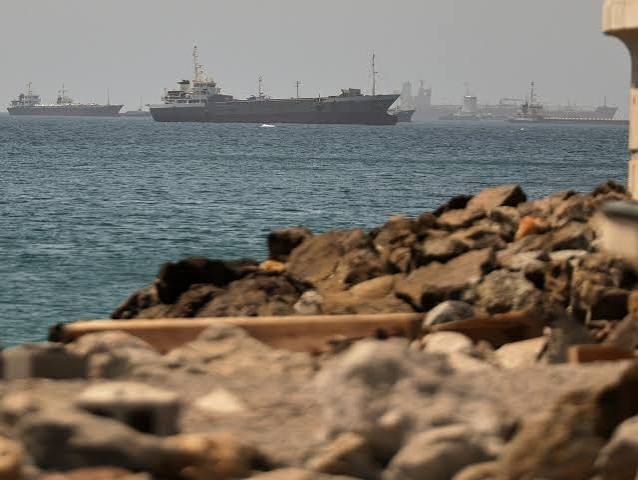
The price of Brent crude fell sharply this week, slipping more than 20 percent for June to settle around $72.24 a barrel after news of a temporary ceasefire in the Middle East allowed vessel transits through the Strait of Hormuz to increase significantly. The sudden easing of shipping disruptions sent a clear signal to markets that a major source of near term supply risk has receded, prompting relief across trading floors and among consumers facing elevated energy bills.
Market reaction and the numbers behind the move
Brent, the global benchmark, had been trading at a substantial premium earlier in the month as tanker traffic slowed and insurance premiums for vessels transiting through the Persian Gulf spiked. The ceasefire initiative, announced late on June 25, coincided with a rapid uptick in commercial shipping activity. Authorities reported that vessel traffic through the Strait roughly doubled within 48 hours, easing congestion and allowing oil and liquefied petroleum shipments to resume more normal scheduling.
Traders responded immediately. Reduced geopolitical risk lowered short term risk premia embedded in futures prices. Hedge funds and commodity desks that had held long positions on the expectation of supply tightness began trimming exposure, accelerating the decline. Spot crude differentials narrowed, and regional benchmarks followed Brent lower as physical markets rebalanced toward available inventories.
Why the Strait of Hormuz matters to oil prices
The Strait of Hormuz is one of the world most important chokepoints for energy shipments. A substantial share of seaborne crude and refined products destined for Europe and Asia pass through the narrow waterway. Disruptions there create immediate logistical problems, increase transit times, and raise the cost of maritime insurance. Those costs ripple through the market as traders and refiners adjust bids to account for heightened uncertainty.
When the risk of closure or targeted attacks rises, traders often price in a buffer to cover potential supply delays. When risk recedes, that buffer is removed and prices usually fall. The pattern observed in late June is consistent with historical responses to similar ceasefires and deescalations in the region.
Short term implications for producers and consumers
For oil producing nations the slide in prices is an unwelcome counterpoint to improving logistical conditions. Export revenues for countries reliant on higher Brent values will face pressure if prices remain near current levels. Some producers may accelerate talks to adjust output to support prices, while others will prioritize maintaining market share by keeping flows steady.
Consumers and businesses sensitive to fuel costs are likely to see modest relief. Lower wholesale crude prices typically filter through to lower refined product prices over several weeks, provided refinery margins and logistical costs do not rise. Airlines, shipping firms, and road transport operators could experience a reduction in fuel expenses, which may, in turn, marginally ease inflationary pressures in headline consumer price indexes.
What traders are watching next
- Duration of the ceasefire and whether it becomes a longer term arrangement or a short lived pause.
- Shipments that were delayed during the disruption and how quickly they clear backlogs at ports and terminals.
- OPEC and allied producers decisions on output in response to the price move, including any unexpected supply adjustments.
- Macro data such as US inventories and demand signals from China and India that could offset supply side developments.
Geopolitical fragility remains despite the calm
While the temporary lull reduced immediate market anxieties, the underlying geopolitical tensions that precipitated the disruption have not been permanently resolved. Analysts warn that a single ceasefire can prove fragile, and any resumption of hostilities or targeted attacks against vessels could quickly restore risk premia to oil markets. Insurance markets, which adjust terms rapidly, could again widen coverage costs if incidents recur, reversing the present decline in crude prices.
Market participants therefore frame the recent fall as a correction rather than a regime shift. Liquidity providers and physical traders have increased hedging activity to protect against a reversal. Political actors in the region are also likely to leverage the ceasefire to negotiate tactical gains, adding an element of unpredictability to any sustained price recovery.
Impact for refining and shipping industries
Refiners welcomed the resumption of regular crude flows because it reduces the need to source premium barrels from alternative, often more expensive origins. For shipping companies the immediate impact is twofold. First, higher transit volumes mean more predictable scheduling and utilization for tankers. Second, lower security risk can reduce bunker and insurance costs, improving profit margins for tanker owners and charterers.
However bunkering and crew costs remain elevated in many ports because of lingering supply chain constraints and labor shortages. The full benefit for refiners and shippers will depend on how quickly those secondary bottlenecks are resolved and whether freight rates normalize after the backlog clears.
Economic context and inflation outlook
Falling oil prices provide a modest tailwind to global disinflation efforts. Energy costs are a major component of both headline and core inflation measures in many economies. A sustained move lower in crude prices would relieve pressure on household energy bills, reduce transportation costs and may help central banks manage policy without aggressive tightening. That said core inflation remains influenced by wages, services prices, and housing costs, so energy alone will not determine monetary paths.
Investors will watch economic releases closely for signs that lower energy costs are supporting real consumption. A beneficial feedback loop could emerge if lower energy prices boost consumer spending on discretionary items, further supporting growth in economies sensitive to oil price swings.
Historical parallels and lessons
History shows that oil markets react quickly to changes in perceived geopolitical risk but also that those moves are frequently reversed when tensions resurface. Past episodes of rapid price spikes followed by steep corrections teach a clear lesson. Markets prize certainty, and even temporary improvements in shipping safety can prompt large repositioning by funds and physical traders. The present adjustment underscores how dependent energy prices are on the flow of information about security and logistics rather than fundamentals alone.
Where to find reliable, real time updates
Readers seeking authoritative updates on oil markets can follow shipping traffic data and institutional reports. AIS transponder feeds and maritime analytics firms provide near real time measures of vessel movements. For broader market context and official energy statistics, institutions such as the International Energy Agency and national energy information agencies offer comprehensive reporting and forecasts that complement market commentary. For technical market data and regulatory filings, major exchanges and commodity reporting agencies provide updated price series and volume metrics.
For further reading and official tracking of shipping and energy developments consult the International Energy Agency at iea.org and maritime trackers like MarineTraffic at marinetraffic.com.
Looking ahead
The drop in Brent to around seventy two dollars a barrel reflects the market s rapid reappraisal of supply risk after a fragile ceasefire allowed the Strait of Hormuz to reopen more fully. The relief is tangible for consumers and businesses, but the price move remains fragile. Traders, policy makers and consumers will all watch the persistence of safe shipping, OPEC policy responses, and demand signals from major economies as the next set of factors that will determine whether the recent decline is durable or merely a pause before another bout of volatility.