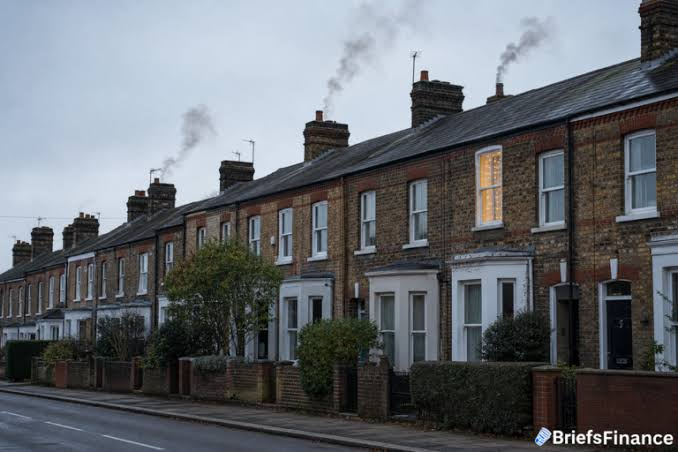
Commercial real estate markets and global real estate investment trusts are facing a new cost challenge as higher fuel prices and supply disruptions push energy expenses upward. From office towers and shopping centers to warehouses, hotels and large residential properties, owners are preparing for pressure on operating budgets and property level profitability. The impact may not appear equally across every market, but the connection between energy prices, building costs, tenant demand and property values is becoming harder for investors to ignore.
Why Higher Energy Prices Matter for Commercial Property
Energy is one of the most persistent operating expenses for many commercial properties. Large buildings require electricity for lighting, elevators, heating, cooling, security systems and ventilation. Industrial facilities can consume even more energy because of machinery, refrigeration and specialized equipment.
When fuel prices rise sharply, the effects can extend beyond the direct cost of running a building. Transportation becomes more expensive, maintenance contractors may raise prices, construction materials can become costlier to move, and businesses occupying commercial properties may face higher expenses of their own.
For property owners, this creates a difficult calculation. Some costs can be passed through to tenants under existing lease agreements, while other expenses remain with the owner. The balance depends heavily on the type of property, lease structure, local regulations and the bargaining position of tenants.
The International Energy Agency tracks global energy markets and provides data that can help investors understand how changes in fuel supply and energy demand can influence broader economic conditions.
REITs Face Pressure From Several Directions
Real estate investment trusts are particularly sensitive to operating costs because investors closely watch rental income, property expenses, cash flow and distributions. A sudden increase in energy related expenditure can reduce the amount of cash generated by individual properties if rental income does not rise at the same pace.
The impact is not identical across the REIT sector. Office properties, shopping centers, hotels, logistics facilities, data centers and healthcare buildings have different energy requirements. A modern office tower with extensive air conditioning can have a very different cost profile from a warehouse designed around storage and distribution.
Data centers represent one of the most energy intensive property categories. Their electricity requirements can be substantial because servers operate continuously and cooling systems must maintain stable temperatures. For investors exposed to digital infrastructure, energy availability and electricity pricing can therefore become central considerations when assessing property performance.
Office Buildings Face a Complicated Cost Equation
Office property owners are entering this period with another challenge already affecting the sector: changing patterns of workplace occupancy. Higher energy costs can make it more expensive to operate large buildings even when fewer employees are using them every day.
Heating and cooling systems cannot always be reduced proportionally to occupancy. Common areas, elevators, security systems and essential building equipment may continue operating regardless of how many desks are occupied.
This creates pressure for landlords to improve building efficiency while maintaining a comfortable environment for tenants. Upgrading lighting systems, improving insulation, modernizing heating and cooling equipment, and installing better energy management controls can reduce long term consumption, although such projects require upfront capital.
Retail Properties Could Feel the Impact Through Tenants
Shopping centers and retail properties have their own exposure to energy prices. Large stores often require extensive lighting, cooling and refrigeration. Higher transportation costs can also affect retailers that rely on frequent deliveries.
The problem can become more complicated when retailers themselves come under financial pressure. A tenant facing higher energy, transportation and inventory costs may become more cautious about opening additional locations or renewing expensive leases.
For property owners, tenant stability can be just as important as the direct electricity bill. A building with strong occupancy but financially pressured tenants can still face future risks if businesses begin reducing their footprint or closing locations.
Industrial and Logistics Properties Have Different Exposure
Warehouses and logistics facilities are also affected by fuel prices, although the impact can vary considerably. Distribution companies depend heavily on transportation, meaning higher fuel costs can influence the economics of moving goods between factories, warehouses and customers.
Property owners may benefit when companies continue seeking strategically located warehouses close to major population centers. Shorter delivery routes can reduce transportation requirements and help businesses manage fuel expenses.
At the same time, facilities that require refrigeration or specialized energy intensive systems may experience much greater direct exposure to electricity prices. Investors therefore need to examine individual property characteristics rather than assuming that every industrial asset will respond to energy costs in the same way.
Hotels Have Little Room to Ignore Energy Consumption
Hotels operate around the clock, making energy efficiency particularly important. Guest rooms require heating or cooling, hot water and lighting, while restaurants, kitchens, laundry facilities and common areas add further demand.
When energy prices rise, hotel operators may have limited ability to reduce consumption without affecting the guest experience. A hotel cannot simply turn off air conditioning throughout a building during periods of extreme heat, nor can it easily reduce hot water availability without creating dissatisfaction among guests.
Some operators may respond through efficiency projects, renewable energy systems, smart building controls and more careful management of peak electricity demand. These measures can reduce exposure over time, but the benefits depend on the property and the investment required.
Higher Operating Costs Can Influence Property Values
Energy expenses can eventually influence how investors assess commercial property values. Property valuation often considers expected income and operating costs over many years. If investors believe that expenses will remain permanently higher, they may adjust their expectations for future cash flow.
That does not mean every property will experience a decline in value. Properties with strong tenants, efficient buildings, favorable lease structures and reliable access to energy may prove more resilient than inefficient assets with high operating requirements.
The distinction between temporary and persistent energy inflation is especially important. A short period of elevated fuel prices may be absorbed through existing budgets. A prolonged increase can encourage investors to reconsider renovation plans, acquisition prices and expected returns.
Energy Efficiency Is Becoming an Investment Issue
Energy efficiency is increasingly being treated as a financial consideration rather than simply an environmental objective. Building owners can reduce exposure to volatile energy markets by lowering consumption, improving equipment performance and generating part of their electricity through renewable systems.
Solar installations can be particularly attractive for properties with suitable roofs and consistent daytime electricity demand. Battery systems can also help some facilities manage electricity usage, although installation costs, local regulations and grid conditions determine whether the economics make sense.
Building management systems can provide another route to savings. Sensors and automated controls can adjust lighting, heating and cooling based on occupancy and operating conditions. For a large property portfolio, even modest efficiency improvements across many buildings can become financially meaningful.
Tenants May Become More Focused on Building Efficiency
Energy costs can also change what businesses want from their landlords. Companies trying to control expenses may increasingly favor buildings with efficient heating and cooling systems, modern insulation, reliable electricity infrastructure and predictable utility costs.
That could gradually create a difference between older inefficient buildings and properties that have been upgraded. Owners who invest in efficiency may find it easier to retain tenants, while buildings requiring major modernization could face greater pressure when leases come up for renewal.
For tenants, reviewing lease terms is also becoming more important. Businesses should understand which energy costs are included in rent, which are passed through separately, and whether operating expense adjustments can change during periods of significant price volatility.
Investors Are Watching the Broader Economic Effects
Energy prices do not operate in isolation. Higher fuel costs can contribute to inflation, increase transportation expenses and affect consumer spending. If households spend more on energy and transportation, they may have less money available for retail purchases, dining, entertainment and other services.
The broader economic response can therefore influence commercial property demand. A retailer may face higher supply costs while also dealing with cautious consumers. An office tenant may face larger utility bills while reviewing its space requirements. A manufacturer may reconsider production locations because of energy availability and transportation costs.
The International Monetary Fund’s commodity price resources provide broader context for understanding how changes in energy and commodity markets can affect inflation and economic activity.
What Property Owners Can Do Now
Owners and asset managers cannot control global fuel markets, but they can examine how exposed individual properties are to energy volatility. Practical preparation can include several steps.
- Review energy consumption at the property level rather than relying only on portfolio averages.
- Identify buildings where heating, cooling or lighting systems are responsible for unusually high costs.
- Review tenant agreements to understand how utility expenses are allocated.
- Evaluate efficiency upgrades based on expected financial savings as well as installation costs.
- Monitor local electricity supply conditions and potential renewable energy opportunities.
These steps can help investors distinguish between properties that are temporarily facing higher costs and assets that may have a structural efficiency problem.
The Commercial Property Market Is Entering a More Careful Phase
The latest energy shock adds another variable to an already complicated commercial real estate environment. Interest rates, tenant demand, construction expenses, vacancy levels and changing consumer behavior are all influencing property decisions. Higher energy costs add another layer that can affect both current cash flow and future investment planning.
For investors, the most useful response is not to treat energy prices as a single sector wide threat. The effects will differ by building type, geography, tenant mix and infrastructure quality. A highly efficient property with stable tenants may have a very different outlook from an older building with heavy energy consumption and weak leasing demand.
We are also likely to see greater attention placed on the physical quality of commercial assets. Energy efficiency, reliable power access, modern equipment and effective building management can become increasingly important when investors compare properties.
The immediate pressure from higher fuel prices may eventually ease if supply conditions improve. But the experience is likely to leave a lasting lesson for commercial real estate. Energy is not merely another line in an operating budget. It can influence tenant decisions, property cash flow, capital spending and investor expectations across the entire real estate market.