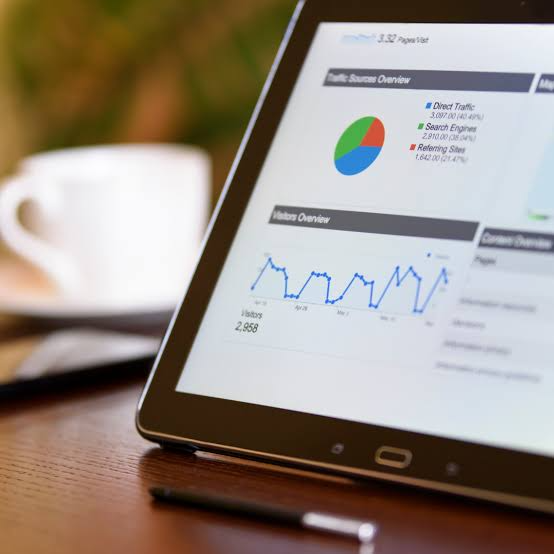
Google has completed the worldwide rollout of Platform Properties in Search Console, giving creators and publishers a new way to measure how posts on Instagram, TikTok, X, and YouTube perform in Google Search. For anyone who has tried to connect the dots between social posting and search visibility, this is a meaningful shift, because it brings platform native content into the same reporting environment many teams already use to monitor website traffic and audience discovery.
A broader view of discovery
Until now, Search Console has been most closely associated with websites. That made sense for years because the tool was built to help site owners understand how pages appeared in Google Search. The new platform property type changes that scope. Creators can now add supported social and video accounts and see how people find those posts through Google Search, along with related performance data in reports such as Search Performance, Insights, and Achievements.
The practical effect is easy to see. A short video posted on TikTok, a polished Instagram caption, or a timely X update may now show up not only as a social post inside its native app, but also as a searchable asset with measurable reach in Google Search. That matters because audience behavior has become less linear. People search, scroll, tap, and return to search again, often across multiple platforms before they make a decision or form an opinion.
What Google added
Google’s help documentation says platform properties are available for Instagram, TikTok, X, and YouTube. Once a creator adds one of those accounts in Search Console and completes verification, Google will begin collecting search performance data for that platform separately. The company also says that it may take a few days for data to appear, which is standard for Search Console reporting and worth remembering before drawing conclusions from an empty dashboard.
Just as important, the data is limited to Google Search visibility. It does not report on how content performs inside the platform itself. That means creators still need Instagram Insights, TikTok analytics, X analytics, or YouTube Studio for native app behavior. Search Console is adding another layer, not replacing the existing ones.
Why this matters now
For many creators, the new feature answers a question that has been difficult to quantify: which social posts are getting discovered outside the app? That is a real issue because a strong post can attract search interest long after it stops moving through a feed. A product tutorial, news reaction, recipe clip, or local service update may continue to surface in search results days or weeks after publication, especially when people search for the topic in plain language rather than app specific hashtags.
By separating each platform into its own property, Google is also giving teams a cleaner way to compare performance across channels. A brand can see whether its Instagram content attracts different queries than its TikTok clips or X posts, which can help shape future editorial planning, keyword targeting, and content repurposing.
Search and social are closer
This release reflects a larger shift in how information gets found online. The line between search engine optimization and social media strategy has been thinning for years, and Google is now making that relationship more visible. When social posts start appearing in Google Search reports, creators can no longer treat platform content as something that lives entirely inside a closed ecosystem.
That is good news for marketers, but it is also a reminder that the best content is still the content people actually want to find. Strong titles, descriptive captions, and clear context matter more than vague phrasing or piles of hashtags. Search systems need language they can interpret, and audiences need content that sounds useful rather than stuffed with keywords.
We are also likely to see a change in how teams measure success. A post that performs moderately inside an app may still be a search winner if it answers a common question or aligns with a timely topic. On the other hand, a viral post that generates little search demand may look different once it is viewed through Search Console data. That kind of nuance can help creators move beyond vanity metrics and focus on discoverability that lasts.
What creators can do with it
For creators and publishers, the most immediate opportunity is analysis. A platform property can show which search queries lead people to social content, which can help inform future posts and packaging. If a TikTok video about a new skincare routine starts drawing search traffic from a specific ingredient name, that is a signal to build more content around that topic. If an Instagram reel about a local event attracts search visibility around the event title rather than the branded hashtag, that tells you something about audience language.
The feature also gives teams a reason to be more deliberate about the first few words in a post, especially on platforms where copy is often minimal. Search behavior tends to reward clarity. A concise caption that names the topic, the person, the place, or the outcome is easier to interpret than a clever line that only makes sense once someone already knows the story. That does not mean writing for robots. It means writing so people and search systems can understand the same idea.
- Add each supported account as its own platform property for cleaner reporting.
- Use Search Console query data to identify recurring topics and audience language.
- Compare social search performance with website performance before changing strategy.
How the setup works
Google says users can add a platform property from the Search Console welcome screen or the property selector in the sidebar. After choosing a supported platform and completing verification, the account is connected and Google begins collecting data. The company notes that reporting is limited to Google Search, and that data may take a few days to appear after setup. That is important because impatient users may otherwise assume something has gone wrong when the delay is actually normal.
Anyone who wants to explore the official documentation can review the Google Search Central announcement and the corresponding Search Console help page for setup details and supported platforms.
Why this is useful beyond marketing
The most interesting part of this rollout is not that it helps marketers squeeze more value from social content. It is that it gives creators, editors, and small business owners a clearer picture of how people actually discover their work. A local restaurant posting menu items, a journalist sharing a breaking update, or a teacher publishing a quick explainer clip can now see whether Google is helping the right people find that content. That knowledge is practical, not theoretical.
It also fits the way audiences behave right now. People often discover a post in one place and search for it elsewhere before they trust it, buy it, or share it. A creator who understands that path can make better decisions about format, timing, and wording. In that sense, platform properties are less about vanity metrics and more about audience literacy.
The bigger picture
Google’s decision to make platform properties globally available suggests the company sees social and video content as part of the search ecosystem, not separate from it. That does not mean websites have lost importance. Far from it. It means that creators now have one more reporting layer to help them understand where attention comes from and how it moves.
For publishers and brands, the lesson is straightforward. Social content should be written and produced with search in mind, not because search is replacing social, but because the audience is moving between both faster than most reporting dashboards used to show. Search Console now reflects that reality more closely, and that should make digital strategy a little sharper, a little less guesswork driven, and a lot easier to measure.