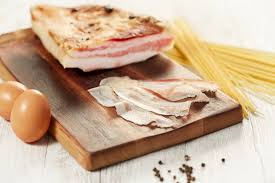
As culinary schools and chefs worldwide renew their insistence on authentic Roman technique, demand for guanciale has shifted supply chains and reignited debate about what makes carbonara real. On June 17 2026 instructors are training students in residual heat emulsification the precise method that uses eggs and pasta water to form a silky sauce while explicitly banning heavy cream, and suppliers from Italy to specialty importers are responding to a surge of buyers seeking cured pork cheeks.
Why technique matters to chefs and home cooks
Carbonara is deceptively simple but technically exacting. The glossy sauce that clings to spaghetti relies on protein in eggs and emulsifying properties of starchy pasta water rather than dairy fat. Residual heat emulsification requires timing tactile judgement and confidence: beaten eggs folded with hot pasta off the direct flame become a warm custard rather than scrambled eggs. Chefs I spoke with say teaching the tactile craft restores an appreciation for restraint and a return to ingredient focus instead of masking flavors with cream.
The sensory rewards are immediate. Properly executed carbonara smells of toasted pork fat and black pepper with a rounded yolk richness that feels warm and light on the tongue. Cream changes that chemistry making the sauce heavier and blunting the guanciale s porky sparkle. For students learning the technique the moment of success is tactile: when sauce pulls around each strand of pasta and glistens like silk under candlelight.
Guanciale demand and supply dynamics
Guanciale is cured pork jowl with a delicate balance of fat and muscle that softens into lacy, savory pieces when cooked. As purists push for guanciale rather than pancetta, importers report a steady uptick in orders from restaurants culinary schools and artisan food shops. Producers in central Italy are increasing batches but curing takes weeks, and export logistics add complexity. The result is localized tightness in supply that raises prices for restaurateurs trying to adhere to tradition.
Smaller shops have adapted by sourcing regional charcuterie or commissioning custom cures from local butchers who can produce guanciale style cuts. Some cooks accept pancetta as a pragmatic stand in while noting the flavor and mouthfeel differences. Others experiment with domestic pork jowl cures that attempt to replicate the original Italian seasoning and salting technique.
Economic ripple effects for restaurants
For independent restaurants the arithmetic is uncomfortable. Sourcing authentic guanciale can increase ingredient cost per plate and squeeze already narrow margins. Chefs balancing authenticity with accessibility are choosing strategies such as offering carbonara as a special allocating higher menu price or portioning guanciale more sparingly while preserving its visual presence. Diners often respond positively to the story of provenance and craft, which can justify modest price increases if communicated honestly.
How culinary education is shaping practice
At culinary academies instructors are reintroducing rigorous, hands on lessons in emulsification technique. Students practice timing in warm stainless steel bowls and learn to judge residual heat by feel and sight. Classrooms smell of toasted pork and cracked pepper as instructors guide cohorts through failure and repetition until the sauce coheres. Course directors say the pedagogical shift matters because it teaches students both humility and the ability to problem solve when kitchens are busy.
Beyond technique these programs emphasize ingredient literacy: where guanciale comes from how artisanal curing differs from industrial processes and why salt levels and spice blends matter. That context affects more than carbonara. Graduates carry those lessons to menus where disclosure about sourcing and technique can become part of a restaurant s identity.
Home cooks learning the craft
Social media and streaming masterclasses have amplified the technique to a global audience. Home cooks who once relied on cream watch short demonstrations of egg and water emulsification and attempt the tactile learning curve at their stoves. Many report initial failures but also delight when they achieve the glossy finish. Community forums have filled with practical tips such as resting bowls over but not on simmering water timing egg addition and stirring rhythm to avoid curdling.
Flavor notes and regional authenticity
Guanciale offers a concentrated pork flavor with a melting, silky fat that contrasts with the firmer texture and smokier notes of pancetta. Where carbonara originates from Rome chefs insist on the juxtaposition of nutty Pecorino Romano black pepper and the guanciale s rendered lard for the canonical taste profile. Regional variations exist across Italy yet the Roman formula remains a reference point for culinary instruction and high end trattorias.
Understanding that regional anchor explains why culinary traditionalists resist heavy cream. Cream introduces dairy sweetness and texture that occludes the intended interplay of savory pork yolk and sheep s milk cheese. For diners the difference is not merely theoretical it is a shift in mouthfeel and aromatic balance that can trace a dish back to a place and a practice.
Supply chain creativity and sustainability
Producers and chefs are exploring ways to scale guanciale production responsibly. Some farms emphasize heritage breeds and pasture raised pork to yield jowls with richer fat profiles. Artisanal curing houses apply time tested salt and spice regimens and stagger production to provide steady supply. Others experiment with nose to tail offerings where guanciale becomes part of broader efforts to reduce waste and increase value for local pork producers.
Sustainability conversations also touch on import carbon footprint and food security. Where long supply lines create scarcity chefs weigh the merits of local adaptation against preserving the original taste. The compromise for many is a transparent note on the menu explaining provenance and why a local cure was chosen as a close analogue to the Roman classic.
What diners should know and look for
If you want to taste an authentic carbonara ask where the guanciale was sourced whether Pecorino Romano is used and whether the kitchen employs residual heat emulsification. A proper plate will show strands coated in a shiny custard with visible pieces of rendered guanciale and a dusting of coarse black pepper. Expect a lighter tactile sensation than cream based sauces and a pronounced savory aroma from cured pork and aged cheese.
For home cooks attempting the dish start with fresh eggs high quality cheese and a modest amount of rendered guanciale fat to flavor the pasta. Practice timing by tossing pasta off the heat and adding beaten eggs tempered with pasta water. Small practice batches help build intuition about temperature control and texture.
Where to learn more
For background on Italian curing traditions food historians and cookbooks provide deep dives into regional charcuterie practice. Reputable culinary schools often publish technique notes and course outlines that explain residual heat emulsification in detail and offer step by step practice exercises for students seeking mastery.
The renewed emphasis on technique and on authentic ingredients is shifting more than menus it is altering how chefs source product and how diners appreciate provenance and skill. Whether supply tightness eases or new local cures become mainstream the conversation around guanciale and carbonara has returned culinary craft to the center of a simple beloved plate.