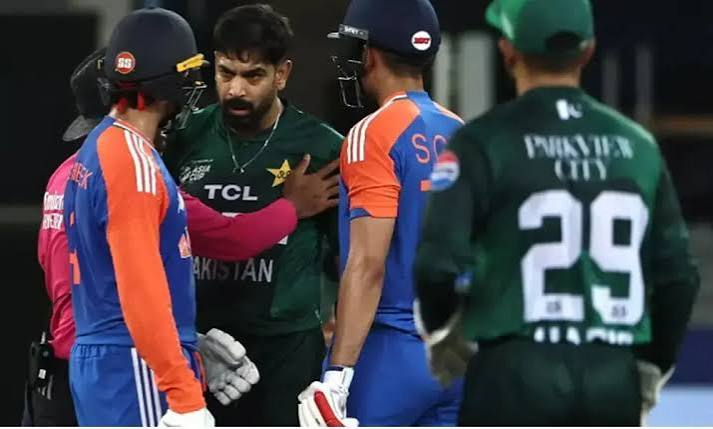
The International Cricket Council has formally released the schedule for the 2027 Men’s Cricket World Cup, giving fans, teams, broadcasters and host cities a clear view of how cricket’s biggest one day tournament will unfold across South Africa, Zimbabwe and Namibia. The schedule places Johannesburg at the heart of the competition, with the Wanderers Stadium selected for the much anticipated India Pakistan group match on October 10 and the tournament final on November 21.
Three Countries, Twelve Venues and a World Cup Across Africa
The 2027 World Cup will mark the return of the men’s 50 over tournament to Africa after 24 years. South Africa, Zimbabwe and Namibia will jointly host the competition, creating one of the most geographically diverse editions in recent World Cup history. The tournament will involve 14 teams and will run from the opening Super Series in Namibia on October 2 through the final in Johannesburg on November 21.
The ICC has confirmed 12 venues across the three host nations. South Africa will provide eight venues, Zimbabwe will host matches at three locations, while Namibia will stage fixtures at its national cricket ground in Windhoek. The distribution gives the tournament a distinctly regional character while also creating a demanding travel schedule for players, support staff, broadcasters and visiting supporters.
The confirmed venues include the Wanderers Stadium in Johannesburg, Centurion in Tshwane, Newlands in Cape Town, Kingsmead in Durban, St George’s Park in Gqeberha, Mangaung Oval in Bloemfontein, Boland Park in Paarl and Buffalo Park in KuGompo City. Zimbabwe will use Harare Sports Club, Queens Sports Club in Bulawayo and the new Mosi oa Tunya International Cricket Stadium in Victoria Falls. Namibia will host matches at the Namibia Cricket Ground in Windhoek.
The International Cricket Council has presented the tournament as a celebration of cricket across Southern Africa, and the venue plan gives that message a practical foundation. For supporters, it means the World Cup will not be confined to one major sporting market. For host communities, it creates opportunities to welcome international visitors and showcase local cricket culture.
Johannesburg Takes Center Stage
Few fixtures carry the global attention of India against Pakistan, and the 2027 meeting will take place at Johannesburg’s Wanderers Stadium on October 10. The venue has a rich history in international cricket and is widely associated with energetic crowds, fast scoring and memorable contests.
The decision to place the match in Johannesburg gives the city one of the most valuable fixtures of the group stage. India and Pakistan will enter the tournament in Group A alongside Australia, Afghanistan, Zimbabwe and Qualifier A. The match is expected to attract enormous television and digital audiences because of the sporting history between the two teams and the international following of both sides.
Johannesburg will also host the World Cup final on November 21. That creates a clear narrative arc for the city, beginning with one of the tournament’s most closely watched group fixtures and ending with the match that determines the world champion.
The Wanderers has particular World Cup history. It hosted the 2003 final, when Australia defeated India after a dominant batting display led by Ricky Ponting. More than two decades later, the same ground will again host the final, giving Johannesburg an unusual connection between two generations of World Cup cricket.
The Tournament Opens With a Qualifying Battle
The competition officially begins on October 2 in Windhoek with a three team Super Series. The matches on October 2, 4 and 6 will determine the final team that enters the main group stage. This preliminary phase gives Namibia an important role before the main tournament begins and ensures that qualification remains part of the World Cup story from the opening week.
The main group stage begins on October 7 in Cape Town, where Australia will face India in a repeat of the 2023 World Cup final. That fixture immediately places the defending champions and their previous final opponent under the spotlight.
South Africa will begin its campaign against New Zealand on October 8, with the match scheduled at Centurion. Zimbabwe will start its own campaign against Qualifier A in Bulawayo on October 9. The host nations therefore enter the tournament through different venues and against different opponents, giving each home team its own opening chapter.
A New Super 7 Stage Changes the Tournament Path
The 2027 competition introduces a Super 7 phase after the group stage. The top three teams from each group will advance, joined by the better fourth placed team across the two groups. This creates a seven team second phase in which every qualifying side will play six additional matches.
The format also includes pre assigned positions for several major teams. India, Australia and Pakistan are positioned within Group A allocations, while England, New Zealand, South Africa and Sri Lanka have designated positions linked to Group B. The system is designed to provide greater fixture certainty for fans and tournament planners while maintaining the sporting qualification process.
For supporters planning international travel, this structure matters. A team’s path beyond the group stage can influence where its matches are played, and the ICC has used predetermined allocations to give fans more information before the tournament begins. That can help with accommodation, flights, tickets and other travel decisions well before the knockout stage is reached.
Semifinals and Final Locations Are Already Known
The knockout schedule gives the tournament another clear geographical structure. Newlands in Cape Town will host the first semifinal on November 17, while Tshwane will host the second semifinal on November 18. The final will then return to Johannesburg on November 21.
All three knockout matches are scheduled as day games beginning at 10 in the morning local time, with reserve days assigned in case weather or other conditions prevent completion. Such planning is essential for a tournament watched by audiences across multiple time zones and supported by large international broadcast operations.
The fixed knockout venues also give broadcasters and commercial partners a clearer operational framework. Production teams can plan equipment movements, commentary facilities, studio operations and international transmission requirements around known locations. For supporters, early venue confirmation provides a stronger basis for arranging travel around the most important matches.
Why Venue Planning Matters Beyond Cricket
A World Cup schedule is much more than a list of match dates. Behind every fixture are transport networks, hotel rooms, security operations, stadium staffing, broadcast infrastructure, medical services and thousands of individual travel decisions.
For the three host nations, the tournament represents a significant logistical undertaking. Teams will move between major South African cities and cross borders into Zimbabwe and Namibia. Supporters will face similar decisions as they follow their teams, while broadcasters must maintain consistent coverage across different venues and national infrastructure.
The distribution of matches also spreads the economic activity associated with a major sporting event. Hotels, restaurants, transport operators, local retailers and stadium workers can all become part of the tournament experience. Smaller host locations such as Victoria Falls and Windhoek will receive an international sporting spotlight alongside established cricket cities.
What Fans Can Expect From the Venue Plan
- Johannesburg will host the India Pakistan group match and the World Cup final.
- Cape Town will host the opening main group match and the first semifinal.
- Tshwane will host the second semifinal.
- Windhoek will stage the opening Super Series and several group matches.
- Zimbabwe will host matches in Harare, Bulawayo and Victoria Falls.
- Eight South African venues will share the main tournament schedule.
A Major Return for African Cricket
The 2027 World Cup carries significance beyond the individual fixtures. South Africa and Zimbabwe previously formed part of the 2003 World Cup hosted across Africa, but Namibia’s inclusion gives the region a new dimension. Namibia has steadily developed its international cricket profile, and hosting matches in Windhoek places the country directly within the global spotlight.
Zimbabwe will also have an opportunity to use established cricket centers while introducing international visitors to Victoria Falls through the new stadium there. The combination of traditional cricket grounds and newer facilities reflects the broader growth of the sport across the continent.
For South Africa, the return of the World Cup brings major matches back to some of the country’s most recognizable sporting venues. Johannesburg, Cape Town, Durban, Gqeberha, Paarl, Bloemfontein and Tshwane will all contribute to the tournament atmosphere, while the new Buffalo Park designation in KuGompo City adds another location to the national hosting network.
The Countdown to 2027 Is Now More Concrete
With the schedule officially released, preparation moves into a more detailed phase for everyone involved. Players can begin mapping their expected tournament routes, coaching teams can study venue conditions, supporters can begin considering travel plans and broadcasters can prepare for a global sporting event spread across three countries.
We often remember a World Cup through its defining moments rather than its schedule. A diving catch, a last over finish, a packed stadium or an unexpected hero can eventually become the image that stays with fans. Yet those moments depend on thousands of practical decisions made long before the first ball is bowled.
The 2027 ICC Men’s Cricket World Cup now has that framework. From the opening Super Series in Windhoek to the India Pakistan meeting in Johannesburg, from the semifinal nights in Cape Town and Tshwane to the final at the Wanderers, the route to the trophy is officially taking shape. For cricket fans around the world, the countdown has moved from anticipation to a calendar filled with dates, venues and possibilities.