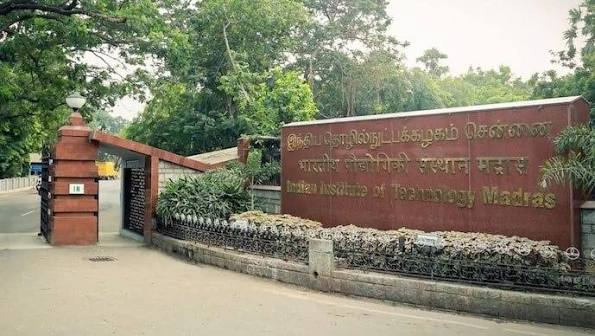
Senior academic leaders at leading Indian Institutes of Technology are calling for clearer international standards to address examination malpractice, arguing that academic institutions need consistent legal and procedural guidance when questions of integrity arise. The proposal comes as universities face increasingly complex challenges involving unauthorized assistance, digital devices, impersonation, plagiarism, leaked examination material and other forms of academic misconduct.
For educators, the issue is not simply about catching students who violate examination rules. It is also about ensuring that institutions respond fairly when allegations arise. A student accused of misconduct can face serious academic and professional consequences, while universities need procedures that protect the credibility of their examinations. The discussion around a global protocol therefore touches both sides of the problem: protecting academic standards and protecting due process.
Why Academic Leaders Want Common Examination Standards
Examination rules vary significantly between countries, universities and even individual departments. One institution may have detailed procedures for investigating suspected malpractice, while another may rely on broad academic regulations that leave substantial discretion to administrators.
That variation can become difficult when students participate in international programs, take examinations administered across different locations or study at institutions with multinational academic communities. Faculty members may also encounter misconduct involving digital tools and communication platforms that operate across national borders.
A common framework could provide institutions with a clearer reference point for handling serious examination violations. Such a framework would not necessarily require every university to use identical disciplinary penalties. Instead, it could establish basic principles for investigation, evidence handling, student notification, hearings, appeals and record keeping.
The Examination Room Has Changed
The traditional picture of examination malpractice involved written notes, unauthorized books or communication between students. Modern examinations can involve laptops, smartphones, smart watches, online platforms, artificial intelligence systems, remote proctoring software and cloud based resources.
That technological shift has made academic integrity cases more complicated. A suspicious browser activity report, an unusual similarity between answers or the discovery of an unauthorized device may provide evidence, but institutions still need to determine what happened and whether the evidence is reliable.
Remote examinations create another layer of difficulty. A university may have students taking the same assessment from different countries, using different networks and devices. Technical interruptions can sometimes resemble suspicious behavior, while automated monitoring systems can generate alerts that require human review.
For this reason, a modern examination integrity protocol would need to distinguish between confirmed misconduct, technical irregularities and reasonable suspicion.
What a Global Protocol Could Cover
The proposed international approach could establish a set of baseline procedures that institutions adapt to their own legal systems and academic regulations. Such guidance could address several stages of an examination integrity case.
- Clear definitions of examination malpractice and related academic violations
- Standard procedures for preserving and reviewing evidence
- Written notification of allegations to students
- Reasonable opportunities for students to respond to allegations
- Independent or appropriately separated review of serious cases
- Consistent principles for determining disciplinary consequences
- Formal appeal procedures and defined review periods
- Confidential handling of disciplinary records and personal information
The purpose would be to make the process predictable without removing institutional authority. Universities would continue to establish their academic standards, but faculty and administrators would have a clearer procedural foundation for applying them.
Fairness Is Central to the Debate
Examination integrity depends on trust. Students need to believe that legitimate work will be recognized and that allegations will not automatically become punishments. Faculty members, meanwhile, need confidence that serious violations can be investigated without creating an administrative process so complicated that enforcement becomes ineffective.
This balance is particularly important when evidence is circumstantial. An unusual answer pattern, a device detection alert or a similarity between two submissions can justify further investigation, but each situation may require additional context before a final decision is reached.
A strong protocol could therefore separate three different questions. First, did an unusual event occur? Second, does the available evidence establish a violation of the examination rules? Third, what response is proportionate under the institution’s regulations?
Keeping those questions separate can reduce the risk of treating suspicion as proof. It can also help institutions document why a particular disciplinary decision was made.
Artificial Intelligence Adds a New Complication
The rapid adoption of generative artificial intelligence has made examination integrity an even more difficult policy issue. Some assessments may explicitly permit AI assistance, while others may prohibit it entirely. In other cases, institutions may permit limited use for brainstorming or editing but require students to disclose how the technology was used.
This creates a need for precise examination instructions. A rule stating simply that students must not use unauthorized assistance may not answer every question created by modern digital tools. Students need to know what is permitted before an examination begins, and faculty members need procedures for investigating suspected violations afterward.
AI detection tools also require careful treatment. An automated system may identify text that appears likely to have been generated by artificial intelligence, but an institutional disciplinary process should consider the reliability and limitations of any detection method before treating its output as decisive evidence.
The broader challenge is to create rules that remain useful as technology changes. A protocol focused on one particular software platform could quickly become outdated. Principles based on unauthorized assistance, authorship, disclosure and evidence would likely remain more adaptable.
Why Legal Guidance Matters
Academic disciplinary procedures can intersect with national laws concerning privacy, education, administrative fairness and data protection. Universities operating internationally may also have to consider different legal requirements depending on where students, examination centers and digital services are located.
International guidance could help institutions identify these legal considerations without attempting to replace national law. Any global standard would need to recognize that educational systems have different legal structures and institutional responsibilities.
The UNESCO education framework provides a useful example of how international education policy can establish broad principles while leaving implementation to individual education systems. A future examination integrity framework could follow a similar model, offering common principles rather than imposing one disciplinary system on every university.
Clear Procedures Could Help Faculty Too
Academic misconduct investigations can place significant pressure on faculty members. Professors may be responsible for identifying irregularities, securing examination materials, documenting evidence and appearing before disciplinary committees. Without clear procedures, individual faculty members may have to make difficult decisions with limited institutional guidance.
A standardized framework could clarify who is responsible for each stage of a case. It could also reduce the possibility that similar incidents receive completely different treatment depending on the department or individual administrator involved.
For students, procedural clarity can be equally valuable. Knowing how an allegation will be reviewed, what evidence can be considered and how an appeal works can make the disciplinary system easier to understand even when the final decision is unfavorable to the student.
Protecting Examination Integrity Without Creating a Culture of Surveillance
There is another issue that international standards would need to address: the growing use of surveillance technologies during examinations. Remote proctoring systems can monitor video, audio, screen activity, browser behavior and other signals. These tools can help institutions administer assessments at scale, but they can also raise questions about privacy, accessibility and false alerts.
A balanced protocol could require institutions to explain what information is collected, why it is collected, how long it is retained and who can access it. Students should also have a clear way to challenge evidence generated by automated systems.
The goal should be examination security without assuming that every irregular signal represents intentional cheating. Human review remains particularly important when disciplinary consequences can affect a student’s academic record or future opportunities.
What International Standard Bodies Could Do
International organizations and national education ministries could contribute by bringing universities, faculty representatives, legal experts, student representatives and technology specialists into the same policy discussion.
A useful framework could begin with shared definitions and minimum procedural safeguards. It could then provide model policies that universities can adapt to their own academic regulations and national laws.
Such work could also encourage cooperation between institutions. If universities use broadly compatible definitions and procedures, academic integrity investigations involving international programs may become easier to coordinate.
Possible Principles for a Future Standard
A credible international protocol would need to balance several objectives rather than treating examination security as the only priority. The most practical principles could include transparency, proportionality, reliable evidence, confidentiality, timely investigation, student representation and meaningful appeal rights.
It would also need to distinguish between deliberate misconduct and circumstances caused by technical failure, misunderstanding or other factors. Clear examination instructions should form the first line of protection because students cannot reasonably be expected to follow rules that were never communicated.
A Larger Question About Trust in Education
The discussion surrounding examination malpractice ultimately reaches beyond disciplinary committees and examination halls. Academic qualifications carry value because institutions, employers and the public trust that they represent genuine learning and achievement.
When examination integrity is compromised, that trust can be damaged. Yet trust can also suffer when disciplinary systems appear arbitrary or unfair. Students need confidence that academic rules are enforced consistently, while universities need confidence that their assessments remain credible.
That is why the call for clearer international protocols deserves attention. A useful global standard would not simply provide universities with a stronger mechanism for punishing misconduct. It would provide a transparent process for determining what happened, evaluating evidence and protecting the rights of everyone involved.
The Road Ahead for Global Examination Integrity
Technology will continue to change the way examinations are designed and administered. Artificial intelligence, remote testing, biometric systems and digital learning platforms will create new opportunities as well as new forms of academic misconduct.
The challenge for policymakers is to build procedures that can adapt without sacrificing fairness. International guidance could give universities a common foundation while allowing national governments and individual institutions to maintain their own academic and legal requirements.
For faculty members, the objective is straightforward: examinations should measure learning rather than access to unauthorized assistance. For students, the corresponding principle is equally important: an allegation should be investigated through a fair and transparent process before serious academic consequences are imposed.
The push from senior academic leadership at leading technical institutions therefore points toward a broader conversation about how education systems can protect both integrity and due process. If international standard bodies and education ministries move toward shared principles, the result could be a more consistent framework for handling examination malpractice while preserving the institutional independence that universities need.
Further policy development can also draw on international work concerning academic integrity and ethical education practices, including resources available through the OECD education policy program. The central task will be turning broad principles into practical procedures that faculty members and students can understand before an examination begins and rely upon when a dispute arises.