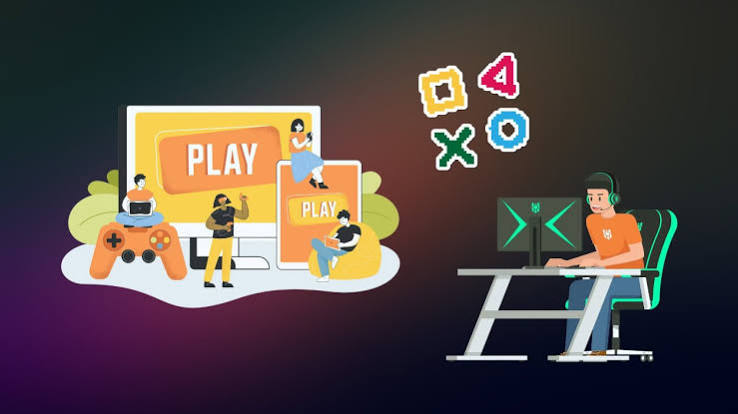
Independent video games are reaching players across more countries and devices as digital storefronts report record international engagement driven by cooperative titles and cloud gaming on portable handheld systems. The latest shift points to a changing market in which a successful indie game no longer needs to depend on a single console or a traditional release model. A small studio can now reach players through computers, consoles, handheld devices, and cloud services, often bringing friends together even when they own different hardware.
Indie Games Are Reaching Players in More Places
For independent developers, distribution has historically been one of the biggest challenges. Creating a game is only part of the job. A studio also has to make players aware of the title, secure distribution, support different platforms, manage updates, and build a community capable of sustaining interest after launch.
Digital storefronts have changed that equation. Players can discover a small studio from almost anywhere, purchase a game within minutes, and begin playing without waiting for a physical shipment. The growth of portable gaming and cloud access adds another layer because players can move between devices without necessarily abandoning the same game.
We are seeing the strongest momentum around games that are easy to understand socially and technically. Cooperative adventures, survival games, puzzle experiences, farming simulations, creative building titles, and other multiplayer focused indie projects can benefit from players recommending them directly to friends.
Cooperative Games Are Driving Social Discovery
Cooperative gaming has become one of the most effective ways for independent titles to generate organic attention. A player who enjoys a solo game may recommend it to a friend, but a cooperative title can create a stronger reason to purchase immediately because the value increases when another person joins.
Picture two friends sitting in different cities, one using a handheld device while the other plays through a computer. They can enter the same virtual world, solve a puzzle together, build a shared base, or simply make each other laugh after an unexpected mistake. That social experience can become more memorable than an advertisement.
For small studios, this kind of word of mouth is particularly valuable. Large publishers can spend heavily on global advertising, while independent developers often depend on communities, streamers, creators, reviews, and players themselves to spread awareness.
Why Cooperative Indie Titles Travel Well Across Borders
Cooperative games can also have an advantage in international markets because the central experience often depends more on interaction than on lengthy dialogue. A game built around teamwork, exploration, timing, or shared problem solving can attract players even when they speak different languages.
Localization still matters, especially for menus, instructions, story content, and customer support. Yet the fundamental appeal of playing with another person can cross cultural boundaries remarkably well.
Portable Handheld Gaming Is Expanding the Market
The rise of powerful portable gaming devices is another important part of the story. Players increasingly expect to continue their games away from a traditional television or desktop setup. Handheld devices allow gaming during travel, breaks, commutes, and quiet evenings when sitting at a television may not be practical.
For indie developers, portability can create additional opportunities. Many independent games are designed around flexible sessions rather than requiring several uninterrupted hours. A player may complete a short challenge during a commute and return to the same game later.
This flexibility can also change the way people discover games. A title that feels too small to justify purchasing a dedicated console can become attractive when it works naturally on a portable device that a player already owns.
Cloud Gaming Is Removing Some Hardware Barriers
Cloud gaming adds another dimension to cross platform distribution. Instead of relying entirely on the processing power of a local device, cloud services can run games remotely and stream the experience to compatible hardware.
This can make sophisticated games accessible from devices that might otherwise struggle to run them. For players, the appeal is straightforward. They can potentially move between screens without needing every device to have the same hardware capabilities.
Cloud gaming is not without limitations. A stable internet connection is essential, and network quality can vary considerably between regions. Latency can also matter, particularly for fast competitive games where a delayed response can affect the outcome.
Still, for cooperative indie games, adventure titles, strategy experiences, and other genres that are less dependent on split second reactions, cloud access can provide a practical route to a much larger audience.
Cross Platform Access Is Changing What Players Expect
Players are becoming less willing to think about games as products belonging to a single machine. When someone purchases a game, they increasingly want to know whether their progress, friends, purchases, and multiplayer access can follow them across devices.
Cross platform functionality is therefore becoming an important part of the value proposition. A player might begin a game on a home console, continue on a handheld device, and later access the same experience through cloud streaming.
Not every independent studio can support every platform from launch. Development costs, certification requirements, technical limitations, and support demands can make broad compatibility difficult. However, the commercial potential is encouraging more developers to consider cross platform planning earlier in production.
Digital Storefronts Are Becoming Global Discovery Engines
The importance of digital storefronts extends beyond simply selling games. Storefront recommendation systems, wish lists, user reviews, seasonal promotions, community discussions, and curated collections can introduce independent titles to audiences that would have been difficult to reach through physical retail.
A player searching for a cooperative adventure may encounter a game created by a small team thousands of miles away. A few positive reviews can lead to more downloads, which can generate more discussion and further visibility.
For developers, this creates both opportunity and competition. Thousands of titles may compete for attention at any given moment. A strong game still needs clear positioning, reliable performance, attractive presentation, and meaningful community engagement.
Developers can also study broader industry trends through resources such as GDC Vault, which provides access to educational material and talks covering game development, design, technology, and production.
Independent Studios Are Learning to Design for Communities
The most successful indie games increasingly behave like living communities rather than finished products. Developers communicate with players, release updates, fix technical problems, respond to feedback, and sometimes adjust features based on how people actually use the game.
This creates a different relationship between developers and audiences. Players may feel personally connected to a small studio because they can see the people behind the project responding directly to feedback.
That relationship can be especially important for cooperative games. Multiplayer communities depend on trust and stability. Frequent technical problems, poor matchmaking, or slow support can quickly discourage players from returning.
Accessibility Could Become an Even Bigger Advantage
Cross platform gaming can also improve accessibility when developers take different forms of play seriously. Portable devices can provide alternative control arrangements, while cloud access may allow players to use hardware that is more comfortable or familiar.
Interface scaling, subtitles, adjustable controls, color options, difficulty settings, and other accessibility features can make independent games available to broader groups of players.
For small studios, these decisions may require additional development effort, but they can also expand the potential audience. A game does not need to become universally accessible in every possible way to benefit from thoughtful design. Even a few carefully implemented options can make a meaningful difference for individual players.
Developers Still Face Difficult Business Decisions
The global reach of digital distribution does not eliminate the financial risks of independent development. Building a game can take years, and a small studio may have limited resources for marketing, localization, customer support, and platform certification.
Cross platform development can increase those demands. Every additional platform introduces another technical environment to test and maintain. Cloud services may also involve infrastructure costs and revenue sharing arrangements.
Studios therefore have to make strategic choices. Supporting every platform immediately may not be realistic. Some teams may choose to establish a strong community on one platform before expanding elsewhere, while others may design the game around broad compatibility from the beginning.
Players Are Benefiting From More Choice
From the consumer perspective, the expansion of indie gaming is creating an unusually broad range of experiences. Independent developers can take creative risks that may be difficult for large publishers to justify. Games can explore unusual stories, experimental mechanics, niche interests, and distinctive visual styles.
Cross platform distribution makes those experiments easier to discover. A player does not necessarily need to own a particular console to experience an interesting independent project. Portable devices and cloud services can provide additional entry points.
This is particularly meaningful for players who cannot afford several gaming systems. Instead of purchasing new hardware for every interesting title, they may be able to access more games through equipment they already have.
The Global Indie Gaming Market Is Becoming More Connected
The latest growth in international engagement suggests that independent gaming is becoming increasingly borderless. A small development team can create a game in one country, build a community across several continents, and receive feedback from players using entirely different devices.
Cooperative gameplay strengthens that connection because the game itself becomes a meeting place. Friends and strangers can share an experience regardless of where they live, provided that platform compatibility and network conditions allow them to connect.
What Comes Next for Cross Platform Indie Games
We expect portable gaming and cloud access to remain important forces in the independent market as developers look for ways to reduce barriers between players and their games. The strongest opportunities are likely to come from titles that combine accessible design with meaningful multiplayer experiences and reliable cross device support.
The future will not necessarily belong to the largest studios or the games with the biggest graphics budgets. A small team with a compelling idea can reach a worldwide audience if the technology, distribution system, and community around the game work together.
That is what makes the current indie gaming surge particularly interesting. The industry is not simply selling more digital games. It is changing how players discover, access, and share interactive experiences. A game created by a handful of developers can now travel across borders, screens, and hardware categories with remarkable speed.
For players, that means more choice and more opportunities to find something unexpected. For independent developers, it means a larger potential audience but also greater pressure to support that audience across platforms. The companies and studios that understand both sides of that equation may be best positioned as gaming continues moving toward a more connected, portable, and internationally distributed future.