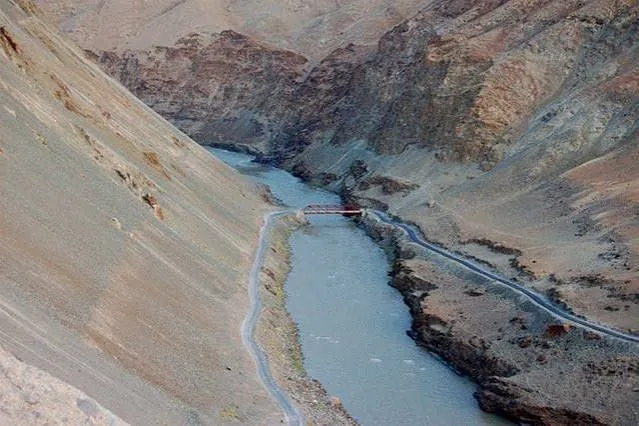
Diplomatic discussions over transboundary water management intensified on August 29, 2026, as foreign ministers raised concerns about compliance with international law and the potential consequences of unilateral changes to long standing water agreements. The dispute highlights a difficult reality shared by countries that depend on the same rivers: when political relations deteriorate, decisions about water can quickly become questions of sovereignty, security, agriculture, and international legal order.
Why Water Treaties Are Becoming a Major Diplomatic Issue
Rivers rarely respect political boundaries. They can begin in one country, cross several borders, and support millions of people before reaching the sea. Communities along these waterways depend on predictable flows for drinking water, farming, electricity generation, fisheries, and industrial activity. That dependence makes agreements governing shared rivers particularly sensitive.
Long standing water treaties are intended to provide rules for managing those shared resources even when relations between neighboring states become difficult. They can establish procedures for sharing river flows, exchanging hydrological information, resolving disagreements, and developing infrastructure. When one side seeks to modify, suspend, reinterpret, or otherwise alter such arrangements without the participation of the other side, questions can arise about treaty obligations and the wider principles of international law.
We should therefore view the current diplomatic concerns as more than a disagreement over water. The underlying issue is whether established international agreements can continue to provide predictable rules when political circumstances change.
Unilateral Changes Raise Questions About Treaty Obligations
At the center of the dispute is concern over unilateral modifications to long standing accords. International agreements generally create expectations that parties will honor their commitments in good faith. The legal consequences of changing or suspending a treaty depend on the specific agreement, the circumstances, and applicable international law.
The United Nations Office of Legal Affairs provides extensive material on international legal principles and treaty practice. These principles help explain why water disputes can become legally complex. A state may have legitimate concerns about national security, environmental conditions, changing water demand, or infrastructure needs, while the other party may argue that established treaty procedures must still be followed.
That tension can make diplomatic negotiations difficult. Governments have to protect domestic interests while also maintaining confidence in agreements that were designed to prevent disputes from escalating.
International Water Law Depends on Cooperation
International water law has developed around several broad principles intended to help countries manage shared water resources. The precise obligations differ from one treaty and river basin to another, but cooperation, equitable use, prevention of significant harm, and information sharing are recurring themes in international practice.
These principles matter because water systems are interconnected. A dam, diversion project, irrigation expansion, or major change in water use upstream can affect communities downstream. Without communication and reliable information, governments can struggle to determine whether changes are ordinary development decisions or actions that could seriously affect another country.
The challenge becomes even greater when a river basin is already under pressure from population growth, changing agricultural requirements, environmental degradation, or shifts in precipitation. A treaty that once appeared straightforward can become harder to administer as economic and environmental conditions change.
Why Long Standing Accords Matter Beyond One River
Diplomats are concerned not only about the immediate water dispute but also about precedent. If one country can substantially alter its participation in a bilateral water arrangement without following established procedures, other governments may worry about the stability of their own international agreements.
This is particularly significant in regions where multiple countries depend on shared rivers. Water agreements can serve as a form of institutional stability. They provide channels through which governments can communicate even during periods when broader political relations are strained.
If those mechanisms lose credibility, future disputes could become harder to manage. Governments may become more cautious about signing new agreements, while existing arrangements could face greater political pressure. That could ultimately affect investment in water infrastructure, regional energy planning, agricultural policy, and environmental protection.
The Human Cost Behind Legal Arguments
Legal language can make water disputes sound abstract, but the consequences are deeply personal. A change in river flow can affect a farmer waiting for irrigation water during a critical growing period. It can influence the reliability of electricity generated by hydropower facilities. In rural communities, uncertainty over water availability can shape decisions about planting, livestock, and household income.
For families living along shared rivers, diplomatic statements made hundreds of miles away can eventually become visible in fields, reservoirs, canals, and household water supplies. That is why predictable water management matters even when political disagreements are intense.
We should also recognize that both upstream and downstream communities can face legitimate concerns. Upstream states may argue that development and water infrastructure are essential for their economic needs. Downstream states may fear that changes beyond their borders could reduce access to water or create sudden uncertainty. Effective agreements have to accommodate these competing interests without allowing one side’s needs to erase the other’s legitimate rights.
Climate Pressure Makes Existing Disputes More Difficult
Climate variability adds another layer of complexity to transboundary water management. Changing precipitation patterns, prolonged droughts, extreme rainfall, and rising temperatures can affect river flows and reservoir levels. These conditions can test agreements that were negotiated under very different assumptions about water availability.
A treaty may establish clear procedures for ordinary conditions while providing less certainty during severe shortages. Governments then face difficult questions about how scarce water should be allocated and whether emergency measures are consistent with existing commitments.
This is one reason international water diplomacy increasingly requires technical cooperation alongside political negotiations. Reliable measurements, transparent data exchange, joint monitoring, and regular communication can help governments distinguish genuine environmental changes from policy decisions and reduce the risk of misunderstanding.
What Diplomatic Negotiations Could Focus On
The immediate objective of intensified diplomatic discussions is likely to be finding a framework that protects existing legal commitments while addressing the concerns that prompted the dispute. Several practical areas can play an important role.
- Maintaining established channels for water data and technical communication.
- Clarifying how treaty provisions apply during periods of water stress or unusual conditions.
- Using agreed dispute resolution procedures before unilateral measures are taken.
- Updating technical cooperation where environmental and hydrological conditions have changed.
- Protecting communities that depend directly on predictable river flows.
Such measures do not eliminate political disagreements, but they can prevent those disagreements from becoming permanent disruptions to water management.
International Courts and Arbitration May Become Relevant
When negotiations fail, states can sometimes turn to arbitration, international courts, treaty commissions, or other dispute resolution mechanisms. The appropriate forum depends on the agreement involved and whether the relevant governments have accepted a particular form of jurisdiction.
International legal proceedings can provide authoritative interpretations of treaty provisions, but they may take considerable time. For communities that need water every day, lengthy legal disputes do not solve immediate operational problems. Diplomacy and technical cooperation therefore remain important even when legal proceedings are being considered.
The International Court of Justice provides a central forum for disputes between states when jurisdictional requirements are satisfied. Its work also illustrates the broader role that international law can play in resolving disagreements over obligations between governments.
Why Treaty Stability Matters for Future Generations
The larger question raised by the current dispute is how countries can preserve legal stability while adapting to changing realities. Water agreements cannot always remain frozen in the exact form in which they were originally negotiated. Population needs change, technology develops, environmental conditions shift, and new infrastructure can alter how river systems are managed.
But adaptation does not necessarily require abandoning established legal procedures. Treaties can often provide mechanisms for consultation, technical review, amendments, and dispute settlement. Using those mechanisms can allow governments to respond to new circumstances without weakening confidence in the underlying agreement.
That distinction may prove critical. A country can seek changes that serve its national interests while still respecting the legal framework governing the relationship. The alternative, unilateral action outside agreed procedures, risks creating uncertainty that can extend far beyond the original disagreement.
A Test for International Water Diplomacy
The intensified discussions over transboundary water management arrive at a moment when shared rivers are facing growing pressure from competing economic, environmental, and political demands. The dispute therefore carries significance beyond the governments directly involved. Other countries with shared river basins will be watching how the disagreement is handled and whether established legal mechanisms remain effective under political pressure.
For now, diplomacy offers the clearest path toward reducing uncertainty. A durable outcome will require governments to address legitimate national concerns while preserving the predictability that international water agreements are designed to provide. That means treating treaty commitments seriously, maintaining technical communication, and using recognized legal procedures when disagreements cannot be settled politically.
Water may appear to flow quietly across a border, but the agreements governing it can carry enormous political and legal weight. The current dispute is a reminder that international law is not only about formal documents or diplomatic statements. For millions of people who depend on shared rivers, stable rules can determine whether the water reaching their communities is predictable enough to support farms, businesses, energy systems, and everyday life.