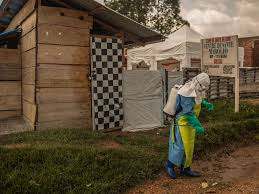
The International Rescue Committee issued an urgent alert on June 17 2026 warning that women and girls make up 54 percent of confirmed Ebola cases in the current outbreaks across eastern Democratic Republic of Congo and western Uganda because of their caregiving roles while simultaneously facing rising security threats. The appeal highlights a grim compound of biological risk social expectation and violence that leaves families more vulnerable and response teams struggling to reach those most in need.
Two overlapping crises for women and girls
At the heart of the IRC warning is a simple but devastating fact. Women and girls carry the bulk of informal caregiving in households and health settings which places them in closer contact with sick relatives and with the bodily fluids that transmit Ebola. That increased exposure explains much of the skew in case counts but does not capture the whole picture. Women also bear the brunt of disrupted services loss of income schooling interruptions and heightened insecurity that accompanies outbreaks in fragile areas.
Field workers describe scenes that linger in memory. Quiet compounds where early morning prayers give way to rushed preparations for travel or burial; clinics where anxious mothers seek reassurance for a feverish child; smoke from makeshift cooking fires thickening the air while distant gunfire unnerves staff transporting vaccines. These sensory details are not incidental they shape the choices households make about seeking care or hiding symptoms because the act of leaving a village can expose women to violence or social stigma.
How caregiving roles amplify risk
Caregiving is intimate work. Washing bedding feeding ailing relatives preparing funerary rites and providing emotional support require close contact that can easily transmit Ebola. In many affected communities women handle bodily care and manage household hygiene without personal protective equipment. IRC teams report that when isolation facilities are scarce or culturally unacceptable families attempt home care which increases secondary transmission within households particularly among women.
Beyond domestic work women also occupy frontline informal health roles as community health workers birth attendants and helpers in rural clinics. These positions often come with inadequate protective supplies and limited training in infection prevention which magnifies occupational exposure. When clinics become overwhelmed women may choose between providing care at home or risking the stigma associated with bringing disease into public facilities.
Practical barriers to protection
Access to protective equipment vaccines and safe isolation facilities is uneven. IRC reports that in remote zones logistical bottlenecks and security constraints slow shipments and complicate cold chain maintenance for vaccines. Cultural norms can also hinder uptake when initial outreach fails to include female community leaders or respectfully address local practices around caregiving and funerals. In that vacuum misinformation spreads and families may avoid formal services even when they are available.
Escalating insecurity compounds the health emergency
Security concerns make an already difficult public health response exponentially harder. Armed groups active in parts of eastern DRC have attacked health teams and disrupted vaccination campaigns. Roadblocks and violence delay ambulances and prevent outreach workers from entering certain areas. Women traveling to access care face targeted threats including theft sexual violence and intimidation which discourage clinic visits and drive cases underground.
The IRC notes that when security deteriorates community trust frays. People who fear for their safety are less likely to report symptoms or cooperate with contact tracing and safe burial procedures. That breakdown of trust can extend infection chains and undermine surveillance at a critical moment. For responders the calculus becomes not only how to stop transmission but how to do so without exposing staff or patients to violence.
Intersection with economic and social harms
Women’s economic vulnerability deepens the crisis. Outbreak related closures reduce incomes from petty trade agriculture and informal labor. When a household member falls ill the loss of productive labor and the cost of care push families into deeper precarity. Girls are at risk of dropping out of school when caretaking demands increase or when families prioritize short term survival over education. The result is a cascade of harms that will take years to reverse without sustained support.
What the IRC and partners are calling for
The IRC is urging donors governments and humanitarian actors to center gender in outbreak response. That means prioritizing protective equipment and training for women caregivers expanding vaccination access with mobile clinics ensuring safe referral pathways and integrating gender based violence prevention into health operations. The organization emphasizes that response teams must engage women leaders and community health workers in planning so interventions align with local realities and reduce unintended harms.
Specific recommendations include rapid deployment of female led outreach teams culturally appropriate risk communication that addresses caregiving practices and bereavement rituals and psychosocial support for survivors and caregivers. The IRC also calls for safe transport corridors and negotiated access agreements with local actors to protect both civilians and humanitarian staff during operations.
Why gender aware responses change outcomes
A gender aware approach is not a side issue. When programs equip women with protective gear when they involve mothers and elders in messaging and when they adapt burial practices to be both safe and culturally respectful transmission declines and communities regain trust. Evidence from prior outbreaks shows higher vaccination uptake and faster case identification when women are meaningfully included in outreach and decision making.
Voices from the field
Community health workers and nurses recount the emotional toll. One midwife told IRC staff about nights spent comforting families while fearing for her own children at home. A woman in a rural settlement described avoiding clinic care because checkpoints made the journey dangerous and because rumors had spread that healthcare workers would forcibly isolate patients. Those testimonies reveal how fear economic strain and social norms feed a cycle that prolongs outbreaks.
Civil society leaders in affected areas stress the need for locally led solutions. Women elders who command respect in village councils have successfully negotiated safer burial alternatives in past emergencies when authorities listened. Supporting such local leadership can open pathways that external teams cannot reach without community consent.
What donors and policymakers can do now
Policymakers should fund immediate scale up of protective supplies and mobile vaccination units targeted to high risk households and frontline women workers. Donors can support community based protection mechanisms and cash assistance that offsets income loss and reduces the pressure to engage in risky coping strategies. International actors must also push for humanitarian access agreements to keep roads and clinics open and safe for women seeking care.
Long term investments are equally critical. Improving water sanitation housing and health infrastructure reduces the baseline vulnerability that allows outbreaks to spread. Strengthening local health workforces with stable pay protective equipment and training empowers communities to respond quickly and effectively to future shocks.
Resources and where to learn more
For situational updates and operational priorities see the International Rescue Committee resource center and the World Health Organization outbreak pages which provide detailed guidance on clinical care surveillance and vaccination strategy. The WHO repository is available at who.int.
The IRC warning is a stark reminder that epidemics are rarely only medical events. They are social crises that reveal underlying fractures. When women and girls shoulder a disproportionate share of exposure and face escalating violence the response must match that reality with protection tailored to their needs. Failing to do so risks not only more infections but deeper social harm that will endure long after cases decline.