We are entering a critical phase in global public health. On July 8, 2026, international health authorities announced a surge in targeted immunization initiatives designed to prevent urban viral outbreaks that are being amplified by climate patterns and recent super typhoons. The effort includes a 440000 plus child drive focusing on Measles Rubella vaccination across high risk regions. The message from health leaders is direct: rapid, coordinated action now can avert a wave of preventable illness and death.
Why the urgency has intensified in 2026
Climate change is altering the spread of infectious disease in ways that public health systems must confront. Warmer temperatures and shifting rainfall expand the range of vectors and increase the frequency of extreme weather events. Super typhoons displace families, damage water systems and crowd people into shelters where viruses spread easily. Urban centers face particular risk as dense populations and disrupted services create ideal conditions for outbreaks.
Measles and rubella are especially dangerous in these circumstances. Measles is highly contagious and can lead to severe complications including pneumonia and encephalitis. Rubella poses a grave threat to pregnant women and can cause congenital defects in newborns. Vaccination remains the most effective defense, but coverage has slipped in several regions due to conflict, supply chain disruptions and vaccine hesitancy. The current push aims to close those gaps before the next typhoon season peaks.
How climate and displacement drive outbreak risk
When floods and storms force families into temporary shelters, sanitation becomes difficult and close contact increases. Children who missed routine doses become vulnerable. Health facilities may be damaged or overwhelmed. Surveillance systems that detect cases early can falter under pressure. The result is a perfect storm where a single imported case can spark a large cluster. Preventive vaccination reduces that risk by raising community immunity before disaster strikes.
Inside the 440000 plus child Measles Rubella drive
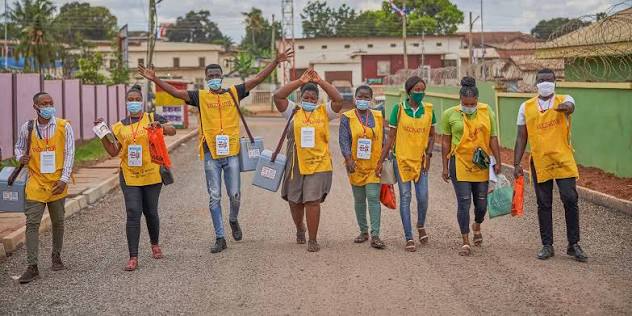
The campaign targets children across multiple high risk districts with a focus on those under five and school age groups that show the largest immunity gaps. Mobile teams set up in community centers, schools and places of worship to reach families where they gather. Health workers carry portable coolers to maintain vaccine integrity and use digital registers to track doses and follow ups. Parents receive clear information on what to expect and how to manage mild side effects.
Logistics are coordinated across borders to ensure that cold chain capacity, trained staff and vaccine supplies arrive on schedule. Regional hubs distribute doses to local sites and monitor stock levels in real time. Community leaders and faith groups help spread accurate information and address concerns. The goal is to vaccinate at least 95 percent of eligible children in target areas to achieve herd immunity and stop transmission chains.
What parents and caregivers should know
The Measles Rubella vaccine is safe and has been used for decades to protect children worldwide. Common side effects are mild and short lived, such as low grade fever or soreness at the injection site. Children can eat and drink normally after vaccination. Caregivers should bring any available health cards to record the dose and keep follow up appointments. If a child has a high fever or severe reaction, families are urged to contact local health workers immediately.
The trans national coordination that makes this possible
This effort depends on deep cooperation between national ministries, regional health bodies and global partners. Data sharing allows authorities to map immunity gaps and prioritize districts. Joint procurement lowers costs and secures supply. Cross border agreements enable health workers to operate in frontier regions and support neighboring areas when outbreaks threaten to spread. The framework also includes rapid response teams that can deploy within days if a cluster is detected.
Financing blends domestic budgets, multilateral support and contributions from philanthropic foundations. Funds cover vaccines, cold chain equipment, transport and stipends for community health workers. Independent monitors track progress and verify coverage to ensure that resources reach intended beneficiaries. The model is designed to be scalable so that it can be activated in other regions facing similar risks.
How technology supports rapid deployment
Digital tools are central to the campaign. Health workers use mobile apps to register children, record doses and flag missed appointments. Dashboards show real time coverage and stock levels so managers can redirect supplies quickly. Geographic information systems help identify hard to reach neighborhoods and plan mobile clinic routes. Data is shared securely across borders to coordinate responses and prevent gaps at frontier zones.
Community trust and addressing vaccine hesitancy
Trust is the foundation of any successful immunization drive. In several areas, misinformation has reduced uptake and left pockets of children unprotected. Health authorities are countering this by engaging local leaders, hosting open forums and providing clear, consistent information through radio, social media and community meetings. Parents are encouraged to ask questions and share concerns with trained health workers who can provide accurate answers.
Transparency about vaccine safety and side effects builds confidence. Health workers explain what to expect and how to care for a child after vaccination. Stories from trusted community members who have vaccinated their children help normalize the practice. The aim is to make vaccination a routine part of family health rather than a reaction to fear.
Lessons from recent outbreaks and typhoon responses
Recent seasons have shown how quickly outbreaks can grow when coverage is low and displacement is high. In one coastal city, a measles cluster expanded within weeks after a typhoon forced thousands into crowded shelters. Rapid vaccination campaigns contained the outbreak but strained local resources. The current proactive approach seeks to avoid that scenario by raising immunity before disaster strikes.
Another lesson is the importance of maintaining routine immunization even during emergencies. Mobile clinics and temporary health posts can deliver vaccines alongside other services such as nutrition screening and clean water distribution. Integrating immunization into broader relief efforts increases reach and efficiency. The goal is to ensure that no child misses a dose because of a storm or displacement.
What cities and regions should prioritize now
Local authorities should focus on three immediate actions. First, map immunity gaps and identify priority neighborhoods based on recent coverage data and population density. Second, pre position vaccines and cold chain equipment in strategic locations to enable rapid deployment. Third, train community health workers and volunteers to conduct outreach and manage registration systems. These steps create a foundation for a swift response if cases appear.
How families can prepare and participate
Families can play a vital role by ensuring children receive all recommended doses. Check vaccination records and contact local clinics if any doses are missing. Attend community vaccination events and encourage neighbors to do the same. Keep health cards in a safe place and bring them to every appointment. If you hear misinformation, share accurate information from trusted sources and direct questions to health workers.
Preparation also means understanding the signs of measles and rubella. Measles often starts with fever, cough, runny nose and red eyes, followed by a rash. Rubella can cause mild fever and swollen lymph nodes. If a child shows symptoms, seek medical care promptly and avoid contact with others to prevent spread. Early detection and isolation help protect vulnerable individuals.
Resources for further information
For reliable guidance on vaccines and outbreak preparedness, consult authoritative health institutions that publish evidence based recommendations. The World Health Organization provides global immunization schedules and campaign updates WHO. National health ministries and the Centers for Disease Control and Prevention offer detailed information on vaccine safety and disease prevention CDC.
We will continue to track the progress of these campaigns and report on coverage outcomes and community responses. The window for action is narrow but the tools are available. Coordinated vaccination, clear communication and community engagement can prevent a surge of preventable illness and protect the most vulnerable among us.