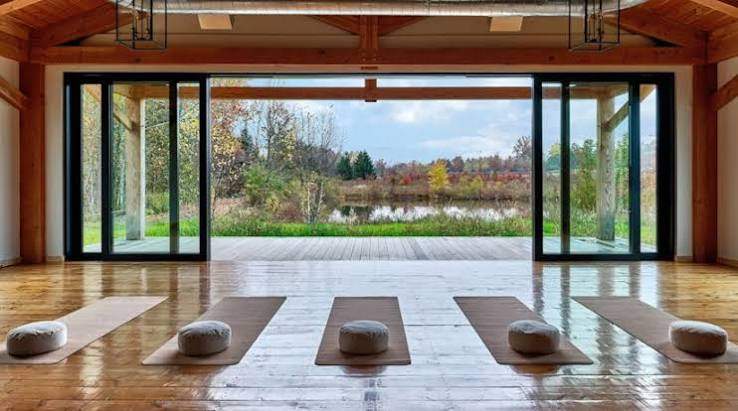
We have reached a tipping point in how people pursue rest. On July 8, 2026, retreat operators from the Alps to the Atacama reported unprecedented demand for mandatory screen free, complete darkness and low decibel experiences. The driver is a massive surge in digital burnout that has turned Hushpitality into a dominant lifestyle movement. Travelers are no longer looking for spa add ons. They are seeking deep resets that remove the very devices that have colonized their attention.
Why digital burnout is fueling a new wellness wave
Years of constant connectivity have left many people exhausted in ways that sleep and weekends cannot fix. The brain is overloaded by notifications, fragmented attention and the pressure to perform online. Workers describe a fog that persists after work hours. Parents report difficulty being present with children. Students struggle to focus without checking messages. The result is a collective hunger for environments that enforce genuine disconnection.
Quietcations respond to that hunger by removing choice. Guests surrender phones and laptops at check in. Rooms are designed for darkness and silence. Schedules prioritize slow movement, breath work and unstructured time. The promise is not productivity but restoration. The appeal lies in the removal of decisions about when to log off. The boundary is set by the retreat itself.
What a quietcation looks like in practice
Arrival begins with a digital handover. Devices are stored in secure lockers and guests receive a simple analog agenda printed on paper. Rooms feature heavy curtains, sound absorbing materials and minimal lighting. Meals are served in quiet dining areas with no background music. Days include guided walks, stretching sessions and periods of complete solitude. Nights end early with optional sound baths or meditation in total darkness.
The analogue resurgence beyond retreats
This movement extends beyond high end getaways. People are reintroducing analog tools into daily life to reclaim attention. Paper notebooks replace task apps for many. Film cameras return as a deliberate slowdown from instant sharing. Vinyl records and physical books create rituals that do not involve screens. The common thread is intentionality. Analog objects demand presence and resist the pull of infinite scrolling.
Workplaces are experimenting with analogue hours where teams agree to communicate in person or by phone for set periods. Schools are testing device free blocks to improve concentration. Families designate phone free zones at home to protect conversation and shared meals. These practices are not about rejecting technology but about creating boundaries that protect mental space.
Why analog tools work when apps fail
Apps promise focus but often deliver distraction through notifications and updates. Analog tools have no alerts. They create friction that slows thinking and encourages deeper engagement. Writing by hand activates different cognitive pathways than typing. Turning pages imposes a natural pace that scrolling disrupts. The tactile nature of analog objects anchors attention in the physical world.
Inside the new generation of quiet focused retreats
Operators report waiting lists that stretch months into the future. Properties are redesigning spaces to prioritize silence and darkness. Some have introduced decibel limits in common areas and trained staff to enforce quiet hours strictly. Others offer complete darkness programs where guests spend hours in light proof rooms to reset circadian rhythms. The most sought after packages combine remote locations with rigorous digital surrender policies.
Guests describe the first 24 hours as the hardest. The urge to check devices lingers. By day two many report improved sleep and reduced anxiety. By day three conversations deepen and walks feel longer. The absence of screens creates space for thoughts that were previously crowded out. People leave with clearer priorities and a renewed sense of control over their attention.
Design principles that make quiet effective
Successful quiet spaces share common features. Acoustic treatment reduces echo and external noise. Lighting is dimmable and warm to support relaxation. Furniture is arranged to encourage small group interaction or solitude. Signage is minimal and printed on natural materials. Staff are trained to speak softly and move deliberately. The goal is to create an environment where silence feels natural rather than imposed.
Health implications and what science suggests
Research on attention and rest supports the intuition behind quiet retreats. Chronic exposure to notifications fragments focus and increases stress hormones. Sleep quality suffers when screens are present in bedrooms. Periods of uninterrupted rest allow the brain to consolidate memories and process emotions. Silence and darkness support melatonin production and help reset internal clocks.
Mental health professionals note that structured disconnection can be particularly helpful for people with anxiety or attention difficulties. The key is a supportive environment that removes the burden of self regulation. For some, a short retreat provides a reset that makes ongoing digital boundaries more achievable. For others, it reveals how deeply routed their device habits have become and motivates longer term change.
Who benefits most from screen free resets
People in high demand roles such as executives, healthcare workers and educators often report the greatest relief. Parents juggling multiple devices for work and family logistics find the enforced break restorative. Young adults who grew up with constant connectivity describe the experience as revelatory. Anyone who feels unable to disconnect without anxiety can benefit from a structured period of digital surrender.
How to build a quietcation at home
Not everyone can travel to a remote retreat. The principles can be adapted at home with discipline. Choose a weekend and inform friends and colleagues that you will be offline. Place devices in a drawer or another room and turn off notifications on essential devices. Create a simple analog schedule that includes walks, reading, cooking and unstructured time. Prepare meals in advance to reduce decision fatigue.
Designate a quiet corner with comfortable seating and minimal visual clutter. Use blackout curtains or an eye mask to create darkness for rest periods. Replace digital entertainment with physical books, puzzles or music on vinyl. Set clear start and end times for the quiet period and treat them as non negotiable appointments. The goal is to create a container that protects your attention.
Practical steps for a home digital surrender
Start by identifying your biggest sources of digital friction. Social media, email and messaging apps are common culprits. Remove them from your home screen or log out before your quiet period. Tell key contacts how to reach you in case of emergency. Prepare analog alternatives such as notebooks, physical games and printed reading material. After the quiet period reflect on what changed and which boundaries you want to keep.
Business and policy responses to the quiet shift
Companies are noticing the demand for digital boundaries. Some are introducing quiet rooms where employees can work without devices. Others are setting meeting free blocks to protect focus time. Health insurers are beginning to cover retreat programs that address burnout. Cities are exploring noise reduction measures in public spaces to support mental well being.
Policy discussions are emerging around the right to disconnect after work hours. Several jurisdictions are piloting rules that limit after hours messaging for certain sectors. The conversation is shifting from individual responsibility to structural support for rest. The quiet movement is pushing organizations to reconsider how they measure productivity and value employee well being.
Resources for deeper guidance
For those seeking evidence based strategies on attention, sleep and digital boundaries, authoritative sources include major health institutions and research centers. Guidance on sleep hygiene and mental health is available through national health services such as the U.S. Centers for Disease Control and Prevention CDC. Research on attention and technology use is published by leading medical and psychological associations including the American Psychological Association APA.
We will continue to track how the quiet movement evolves across travel, work and daily life. The surge in demand for screen free experiences signals a broader recalibration of what rest means in a connected world. The challenge now is to turn temporary resets into sustainable habits that protect attention and well being over the long term.