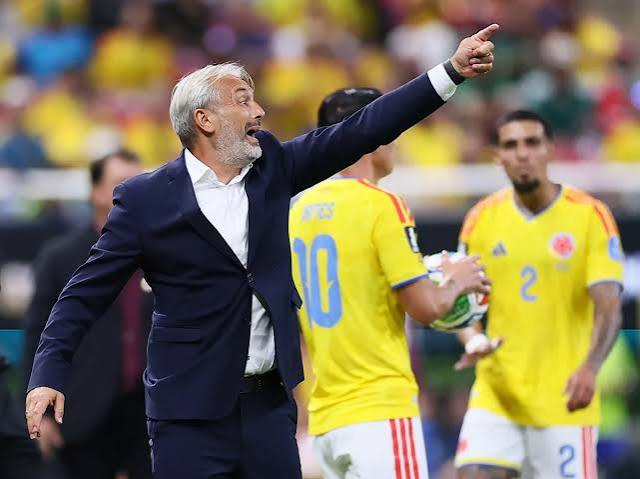
At the tournament midpoint on June 26 the 2026 FIFA World Cup offered more than dramatic goals and packed stadiums. A record ten African nations are competing simultaneously across North America and that presence is reshaping trade ties cultural exchange and high level diplomacy between continents. As fans chant in city squares and flags ripple in stadium lights diplomats and business leaders are turning matchday momentum into concrete cross border initiatives.
What makes this World Cup moment different
For the first time in World Cup history ten teams from the African continent are playing at the same time in a single tournament. That numeric milestone matters because it concentrates visibility for African football cultures and for nations whose economies often rely on trade remittances and tourism. Broadcasts carry the rhythm of African crowds into living rooms across host cities and that attention opens doors for commercial delegations and cultural showcases that would be harder to stage outside this sporting moment.
The result is not merely symbolic. Trade missions meet in the margins of fan festivals and bilateral talks scheduled around match schedules. City governments are working with diaspora organizations to organize business forums and cultural nights that showcase food crafts and investment opportunities from Lagos to Nairobi. For many delegates the World Cup functions as a catalyst a public stage that compresses months of networking into a week of intense engagement.
Scenes on the ground
I walked through a fan zone after an evening match and the air tasted of grilled spices and fresh bakeries. Stalls displayed artisan textiles while young entrepreneurs pitched logistics and fintech solutions to visiting buyers. Conversations flowed from match tactics to cargo schedules and conference rooms were booked well into the night. For fans the experience was visceral drumming dance and exuberant flags. For trade delegations it was practical networking and rapid relationship building with potential importers and local partners.
Economic spillovers and business opportunities
Local chambers of commerce report a measurable uptick in inquiries for export partnerships in sectors such as agribusiness textiles and creative industries. Tourism boards are leaning on match driven interest to promote future travel packages and festival circuits. Airlines and shipping companies have adjusted capacity to handle increased passenger and cargo flows between North America and multiple African hubs.
Small and medium sized enterprises see openings in perishable goods markets where shorter delivery windows and reliable cold chains are now more prized. Technology startups offering remittance services and cross border payments find receptive audiences among diaspora consumers eager for lower fees and faster settlement. For many of these businesses the World Cup provides a testing ground for market entry strategies and customer acquisition.
Diplomacy off the pitch
Heads of state and foreign ministers have scheduled bilateral meetings around the tournament schedule with clear economic agendas. Several negotiating teams are discussing preferential trade arrangements streamlining customs procedures and cooperation on green energy projects that support sustainable stadium operations and urban infrastructure. Cultural agreements complement the economic agenda with exchange programs for artists athletes and students that aim to sustain ties beyond the month of football.
Sport as soft power and cultural diplomacy
Football has always served as a vehicle for soft power and identity projection. For African nations the current tournament amplifies national narratives about resilience creativity and modernity. Ambassadors hosted reception events that feature film screenings spoken word and culinary nights that frame nations as both tourist destinations and partners for cultural production. These moments humanize policy discussions and create social goodwill that negotiators hope will translate into long term cooperation.
Artists and athletes who participate in public programming act as informal envoys. Their presence helps shift perceptions and encourages business leaders to consider partnerships grounded in cultural understanding and mutual benefit rather than narrow transactional logic.
Challenges and the road ahead
Momentum alone will not secure durable trade or development gains. Delegates face practical obstacles from tariff and regulatory complexity to limited access to finance for small exporters. Infrastructure constraints such as port congestion and cold chain gaps can undermine perishable goods trade even when market interest is strong. Civil society groups remind decision makers that equitable development requires attention to labor standards environmental safeguards and inclusive procurement so benefits reach communities rather than concentrating at the top.
To convert goodwill into measurable outcomes governments and private partners must follow through with actionable timelines investment commitments and measurable performance indicators. That requires transparency public reporting and community engagement to ensure projects meet local needs and environmental obligations.
Practical next steps discussed by delegations
- Fast track pilot corridors for perishable exports that coordinate ports cold storage and air freight capacity.
- Expand digital payment rails and reduce remittance costs by working with fintech firms and regulators.
- Negotiate service agreements for cultural exchange and protect intellectual property for creative exports.
- Set up joint innovation funds that co finance startups focused on logistics energy and agritech solutions.
Voices from fans and entrepreneurs
A small business owner from Accra described the weeks before the tournament as a flurry of calls and sample shipments. He said the exposure in a North American fan market produced orders that would have taken months to close through conventional trade shows. A volunteer from a diaspora association spoke about the emotional lift of seeing national teams compete at scale and the practical effect of uniting communities around business pitches that received attention from municipal procurement officers.
These individual stories are not anecdotal outliers but part of a broader pattern where cultural attention produces commercial opportunity when supported by targeted public private coordination.
Measuring success beyond the scoreboard
Short term economic metrics such as trade inquiries and tourist bookings will show an early snapshot of impact. Long term success will be measured by sustained export growth reduced transaction costs improved logistics and the establishment of institutional linkages between chambers universities and municipal governments. Independent monitoring by research institutes and civil society will be essential to track whether benefits are inclusive and environmentally sound.
Where to follow developments
For ongoing coverage of trade and diplomatic initiatives linked to major sporting events readers can consult global trade organizations and official embassy briefings. The World Bank and regional development banks publish data and project updates that will reflect investments seeded during the tournament. For cultural programming schedules and municipal announcements follow official host city portals and diaspora community channels.
For background on global trade flows and event driven economic impacts see materials from the World Trade Organization at wto.org and policy briefs available through multilateral development institutions.
Closing reflection
The World Cup is at once a sporting festival and a global stage for diplomacy commerce and cultural exchange. The presence of ten African teams in the 2026 tournament has created a compressed moment of attention and opportunity. Whether that momentum becomes sustained progress will depend on deliberate policy choices targeted investments and accountable partnerships that ensure the benefits of increased trade and diplomatic ties reach communities across continents. The next months will show whether matchday energy can be harnessed into plans and projects that last well beyond final whistles and celebratory chants.