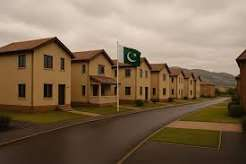
From crowded metropolitan neighborhoods to growing communities on the outskirts of major cities, the demand for affordable, energy efficient housing continues to challenge urban planners, builders, and governments. On October 24, 2026, the expansion of sustainable prefabricated modular homes reflects a growing international interest in construction methods that can reduce building time, limit material waste, and support more responsible land use. By manufacturing residential components in controlled factory environments and assembling them at their final locations, developers are exploring a practical alternative to conventional construction. The approach offers considerable promise, although its long term success will depend on affordability, reliable infrastructure, thoughtful planning, and building standards that protect residents.
Why Modular Housing Is Gaining International Attention
Housing shortages have become a pressing concern in many urban areas, where population growth, limited land availability, rising construction costs, and lengthy approval processes can make new homes difficult to deliver. Traditional building projects often depend on multiple contractors working sequentially at a single site. Delays caused by rain, extreme temperatures, labor shortages, or material deliveries can extend schedules and increase expenses.
Prefabricated modular construction offers a different model. Builders manufacture sections of a home, sometimes including walls, floors, bathrooms, kitchens, insulation, and electrical systems, inside a factory. These modules are then transported to the construction site, positioned on prepared foundations, and connected to create a complete residence. Certain projects use large finished modules, while others rely on smaller prefabricated panels assembled on location.
We should distinguish the growing interest in this method from proof of universal adoption. Modular construction is an established building approach, but its scale varies substantially between countries and regions. The international expansion of sustainable housing involves a combination of private development, public housing initiatives, construction technology investment, and changes in planning policy rather than a single coordinated global program.
For households waiting for suitable accommodation, the potential benefit is straightforward. If projects are planned carefully, more homes may become available within a shorter construction period. For cities, standardized components can help coordinate larger developments, while factory production offers opportunities to improve quality control and reduce avoidable waste.
How Factory Built Homes Can Reduce Construction Time
Parallel work can shorten project schedules
One of the main advantages of modular housing is that several construction activities can take place at the same time. While workers manufacture residential modules indoors, crews can prepare foundations, connect utilities, and complete necessary work at the building site. Once both stages are ready, installation can proceed much faster than a process in which every major task must wait for the previous one to finish.
This approach can be especially useful for apartment developments, workforce accommodation, student residences, and public housing projects with repeated floor plans. A factory can produce similar components in a consistent sequence, allowing builders to coordinate deliveries and assembly with greater predictability. Less time spent on site can also reduce neighborhood disruption, including construction traffic, noise, and the prolonged occupation of nearby streets.
However, faster assembly does not mean every modular development can be completed immediately. Land acquisition, planning approval, foundation work, transport arrangements, utility connections, inspections, and financing remain essential parts of the process. A factory can deliver modules efficiently, but a project may still face substantial delays if local infrastructure or regulatory approval is not ready.
Standardization without sacrificing comfort
Modern modular homes can be designed for different household sizes, climates, and architectural requirements. Standardized structural components can be combined with different internal layouts, exterior finishes, window arrangements, and energy systems. The objective is to gain the practical benefits of repeatable production without making every neighborhood look identical or ignoring residents’ needs.
For families, the quality of the finished home matters more than the speed of its arrival. Adequate natural light, sound insulation, ventilation, storage, accessibility, and privacy should remain central design considerations. A home that is assembled quickly but performs poorly during a hot summer or a cold winter is not a successful housing solution.
What Makes Sustainable Modular Homes Greener?
Sustainability is a major reason developers are examining prefabricated housing, but factory production alone does not guarantee a smaller environmental footprint. The strongest projects combine efficient manufacturing with durable materials, effective insulation, low energy consumption, responsible transport, and designs that remain useful for decades.
Less material waste and more controlled production
Conventional construction can generate offcuts, damaged materials, excess packaging, and discarded components when deliveries do not match immediate requirements. A factory setting can make it easier to measure materials accurately, reuse suitable offcuts, organize storage, and monitor production waste. Standardized cutting processes may also improve the use of timber, metal, insulation, and other building products.
These gains depend on how a manufacturer manages its operations. Poorly planned production can still create waste, and transporting oversized modules over long distances can add fuel consumption and emissions. Builders should therefore assess the full supply chain, including the origin of materials, manufacturing energy, packaging, delivery routes, installation, maintenance, and eventual reuse or disposal.
Energy efficient homes can lower operating costs
A well designed modular home can incorporate airtight building envelopes, high performance windows, carefully installed insulation, efficient heating and cooling equipment, and smart ventilation systems. These features help maintain comfortable indoor temperatures while reducing unnecessary energy consumption. In suitable locations, rooftop solar panels, battery storage, heat pumps, and water saving fixtures can provide additional benefits.
Climate specific design is essential. Homes in hot regions may require shading, reflective roofing, cross ventilation, and protection against intense solar heat. Buildings in colder climates need insulation, moisture control, and heating systems suited to local conditions. Coastal communities may need materials that resist corrosion, while areas exposed to storms or earthquakes require structural designs that meet relevant safety standards.
Residents may benefit from lower utility bills when energy saving features are properly designed and maintained. Yet the upfront cost of advanced equipment can be a barrier for households with limited budgets. Developers and policymakers must consider both purchase prices and the long term costs of operating a home, rather than describing a property as affordable based on its initial construction cost alone.
For a broader framework on sustainable buildings and urban development, the United Nations Environment Programme’s work on sustainable buildings examines how building design, resource use, and construction practices affect environmental performance.
International Growth Depends on Local Conditions
Modular housing can serve different purposes across international markets, but the reasons for adopting it are not identical everywhere. In cities with severe housing shortages, developers may prioritize construction speed and the efficient use of available land. In regions experiencing natural disasters, prefabricated units can support temporary accommodation or contribute to longer term rebuilding when properly engineered. Remote communities may benefit from factory production when skilled labor and building materials are difficult to obtain locally, although transportation costs can offset some of those advantages.
In countries with established manufacturing industries, modular construction can draw on existing logistics networks, specialist suppliers, and technical expertise. Elsewhere, developers may need to invest in production facilities, workforce training, transport equipment, and inspection systems before large scale construction becomes practical. Imported modules can provide an initial solution, but dependence on overseas suppliers may expose projects to currency fluctuations, shipping disruptions, and changing trade conditions.
Local building regulations also shape the market. A residential module must satisfy applicable requirements for structural strength, fire safety, electrical installations, plumbing, insulation, ventilation, accessibility, and energy performance. Components designed for one jurisdiction may require significant changes before they can be approved elsewhere. International expansion therefore requires more than repeating the same factory model across different countries.
Urban planning boards have a particularly important role. They can clarify approval requirements, identify suitable sites, coordinate utilities, and encourage construction methods that meet environmental objectives. Clear and consistent rules may reduce uncertainty for responsible developers while preserving the inspections and protections residents need.
Can Modular Homes Help Make Housing More Affordable?
Affordability is one of the most important questions facing the sector. Repeated designs, factory purchasing, predictable production schedules, and reduced on site labor may lower certain costs. Shorter construction periods can also reduce some financing expenses and allow developers to begin collecting rental income earlier. These advantages may be especially significant in developments where many homes share similar designs and specifications.
Nevertheless, modular housing is not automatically cheaper than conventional construction. Factories require substantial investment, specialized equipment, skilled workers, and a reliable flow of orders. Transportation and crane installation can be expensive, particularly for large modules or sites with restricted access. Small projects may not generate enough volume to benefit from manufacturing efficiencies, while complex architectural requirements can reduce standardization.
Land prices, financing conditions, local taxes, utility connections, and planning fees can remain major contributors to the final cost of a home. Even when builders save money, those savings do not necessarily reach buyers or tenants. The commercial structure of a project, competition between suppliers, and public housing policies all influence the final price.
Governments seeking to increase access to housing can connect modular construction programs with affordable rental developments, social housing, financing assistance, and transparent eligibility criteria. Public contracts can also require measurable standards for durability, energy efficiency, and long term maintenance. The goal should be to deliver homes that people can afford to occupy, not simply buildings that are inexpensive to assemble.
Technology, Skills, and Quality Control
The growth of modular construction is closely linked to improvements in digital design, manufacturing coordination, and building inspection. Building information modeling allows architects, engineers, and manufacturers to coordinate dimensions and identify potential conflicts before production begins. Digital production plans can help reduce cutting errors, while factory inspections allow workers to check components at multiple stages instead of relying entirely on a final site inspection.
These methods can improve consistency, but they require experienced professionals and clear accountability. Errors repeated across dozens of identical units can create a larger problem than a mistake confined to a single conventional building. Manufacturers must maintain quality assurance procedures, document changes, and ensure that connections between modules perform as intended after transport and installation.
The workforce also needs appropriate training. Modular construction may reduce some forms of on site labor while increasing demand for manufacturing technicians, quality inspectors, logistics specialists, engineers, and workers skilled in assembling building systems. Governments, colleges, and construction companies can support this shift through practical training and recognized qualifications.
For a wider perspective on housing, urban resilience, and sustainable communities, the United Nations Human Settlements Programme’s housing resources provide context on the challenges governments face when working to deliver adequate housing in rapidly changing urban environments.
Environmental and Social Risks That Developers Must Address
Even well designed modular developments can create problems when they are treated as isolated construction projects rather than parts of functioning communities. A large housing complex will not meet residents’ needs if it is far from employment, schools, healthcare, public transport, grocery stores, and safe public spaces. Poor location choices can increase commuting costs and traffic, undermining some of the environmental gains achieved during construction.
Materials require careful evaluation as well. Timber can store carbon under suitable sourcing and design conditions, while recycled steel and other reused materials may help reduce demand for virgin resources. However, environmental outcomes vary by product, manufacturing method, building lifespan, and local energy supply. Credible life cycle assessments can help developers compare alternatives using consistent assumptions instead of relying on broad sustainability claims.
Long term durability is equally important. Buildings should be inspected and maintained throughout their useful lives, with particular attention to moisture intrusion, corrosion, insulation performance, fire protection, and the structural connections between modules. Designing components for repair, replacement, disassembly, or reuse can help reduce future waste, provided these features are technically practical and economically viable.
Social acceptance also matters. Residents may worry about appearance, privacy, resale value, or whether modular developments will be built to the same standards as conventional homes. Transparent planning, community consultation, independent inspections, and clear maintenance responsibilities can address these concerns more effectively than promotional claims.
What to Watch as the Sector Expands
The next phase of sustainable modular housing will depend on whether the industry can demonstrate reliable results across different climates, income groups, and regulatory systems. Builders, investors, and urban authorities should focus on measurable outcomes rather than the number of modules produced or the speed of installation alone.
- Track the full cost of completed homes, including land, transport, utilities, financing, and long term maintenance.
- Measure construction waste, embodied carbon, operational energy use, and the durability of materials over time.
- Require independent inspections and compliance with local structural, fire, electrical, and environmental standards.
- Connect new residential developments with public transport, essential services, employment, and existing communities.
- Support local manufacturing capacity and workforce training where demand can sustain the investment.
Investors should also examine whether proposed projects have secure land rights, realistic delivery schedules, dependable suppliers, and a clear route through regulatory approval. Residents and housing advocates, meanwhile, should assess whether promised savings are reflected in actual rents or purchase prices. These practical measures can help distinguish durable housing initiatives from projects that depend too heavily on optimistic forecasts.
A Practical Path Toward Better Housing
Sustainable prefabricated modular homes offer a credible way to rethink how residential buildings are produced. Factory manufacturing can improve coordination, reduce certain types of waste, and shorten on site construction when projects are designed for the method. Energy efficient materials and equipment can further reduce household operating costs and environmental impacts throughout a building’s life.
But the measure of success is not simply how quickly a crane places a completed module on a foundation. It is whether a family can afford the home, whether the building remains safe and comfortable over time, whether the surrounding neighborhood supports everyday life, and whether the project uses resources responsibly.
As developers and urban planning boards expand their interest in modular housing internationally, the most effective approach will combine manufacturing efficiency with thoughtful architecture, sound regulation, transparent costs, and community participation. The opportunity is substantial, but it requires realistic expectations and careful execution. When those conditions come together, sustainable modular construction can become a meaningful part of a broader effort to provide more people with secure, decent, and energy efficient places to live.