We are witnessing a fundamental reimagining of how cities build and use commercial space. On July 8, 2026, major metropolitan authorities unveiled massive multi billion dollar master plans that shift global real estate strategies away from standalone consumer attractions toward integrated, sustainable, experiential districts. The goal is direct and urgent: combat post pandemic commercial vacancies by creating places where people live, work, shop and gather in ways that feel purposeful and connected.
Why the old model no longer works
For decades, commercial development focused on single use buildings and large retail complexes designed to draw visitors for specific purposes. Office towers stood apart from residential zones. Malls operated as destinations disconnected from neighborhood life. The pandemic disrupted this model by accelerating remote work, changing shopping habits and exposing the fragility of foot traffic dependent economies. Many districts now face high vacancy rates, underutilized infrastructure and a sense of emptiness that discourages new investment.
Cities realized that filling empty storefronts or offices with temporary tenants is not enough. The solution requires a deeper redesign that blends functions, prioritizes sustainability and creates experiences that cannot be replicated online. The new master plans respond to that need by treating commercial districts as living ecosystems rather than collections of isolated properties.
What integrated districts look like in practice
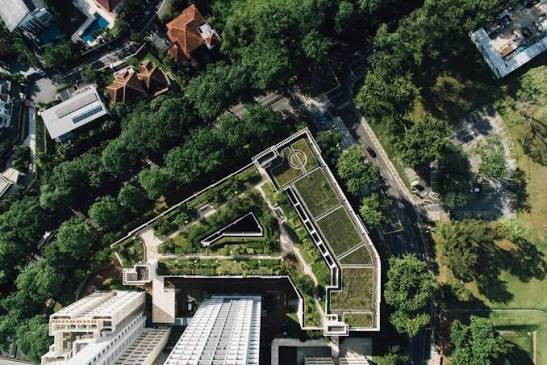
Integrated districts mix residential units, offices, retail, cultural venues and public spaces within walkable blocks. Buildings are designed for flexibility so that ground floor spaces can shift between cafes, co working hubs and community rooms as demand changes. Housing is embedded within commercial zones to ensure steady foot traffic at all hours. Green corridors, pocket parks and pedestrian plazas connect buildings and encourage lingering. The result is a district that feels alive from morning to night.
Core pillars of the new sustainable master plans
The plans rest on three pillars that guide investment and design. First, sustainability is built into materials, energy systems and mobility. Buildings target net zero emissions through solar panels, efficient heating and cooling and smart building management. Districts prioritize walking, cycling and public transit while limiting car access in core areas. Second, experiential design creates reasons for people to visit beyond transactions. Public art, performance spaces, markets and festivals turn streets into stages for community life. Third, adaptive reuse preserves existing structures and repurposes them for new functions, reducing waste and maintaining local character.
These pillars are supported by financing mechanisms that blend public funds, private capital and community investment. Tax incentives encourage developers to include affordable housing and local retail. Grants support small businesses that add cultural value. Long term bonds fund infrastructure upgrades that benefit the entire district. The approach treats real estate as a public good that must serve broader social goals.
How technology enables smarter districts
Digital infrastructure underpins the new model. Sensors monitor energy use, waste collection and air quality to optimize operations. Apps guide visitors to available parking, transit options and local events. Data dashboards help city managers adjust services in real time based on usage patterns. The goal is not surveillance but responsive management that improves quality of life while reducing environmental impact.
Economic and social benefits for cities and residents
Integrated sustainable districts generate value that extends beyond property prices. Mixed use areas support local businesses by providing steady customer flows. Affordable housing within commercial zones reduces commute times and strengthens neighborhood ties. Public spaces become venues for cultural expression and social connection, improving mental health and community cohesion. The environmental benefits include lower emissions, reduced waste and improved air quality.
For workers, the new districts offer flexibility. Co working spaces and shared offices allow remote employees to collaborate without long commutes. Childcare centers, gyms and cafes within walking distance make daily routines smoother. For residents, the presence of jobs and services nearby increases convenience and reduces reliance on cars. The overall effect is a more resilient urban economy that can adapt to changing conditions.
Real world examples shaping the future
Several cities are already implementing elements of this vision. A former industrial zone in one major metro now hosts a mix of loft apartments, tech offices, artisan workshops and a weekly farmers market. Waterfront areas once dominated by warehouses have become parks with performance venues and riverside promenades. Historic office buildings are being converted into residential lofts with ground floor retail that serves both residents and visitors. These projects show how intentional design can revive underused areas.
Challenges and risks that must be managed
Large scale redevelopment carries risks that planners must address. Gentrification can displace long time residents if affordability is not prioritized. Construction can disrupt existing communities and small businesses. Financing models must ensure that public funds deliver public benefits rather than private windfalls. There is also the risk of creating districts that feel curated rather than authentic, lacking the organic diversity that makes neighborhoods vibrant.
Successful plans include strong community engagement processes that give residents a voice in design decisions. Affordable housing requirements and rent stabilization measures protect existing populations. Support programs help small businesses relocate or adapt during construction. The goal is inclusive growth that benefits all stakeholders rather than a narrow set of investors.
What developers and city leaders should prioritize
Developers should focus on flexibility and long term value rather than short term returns. Designs that allow spaces to change function over time reduce vacancy risk. Partnerships with local organizations ensure that cultural programming reflects community interests. City leaders should streamline permitting for mixed use projects and invest in infrastructure that supports sustainable mobility. Both sides must commit to transparency and accountability to maintain public trust.
How businesses and residents can engage
Businesses that want to thrive in the new districts should think beyond traditional retail models. Experiential offerings such as workshops, pop up events and collaborative spaces attract visitors seeking engagement rather than just products. Local partnerships with artists and community groups create unique experiences that differentiate businesses from online competitors. Residents can participate by attending public planning meetings, supporting local enterprises and using new public spaces in ways that strengthen community ties.
Small business owners should explore grants and training programs that support adaptation to new district models. Co operating with neighboring businesses to create joint promotions and events can increase foot traffic. Online presence should complement physical locations by highlighting in person experiences that draw visitors.
Actionable steps for stakeholders
Start by mapping existing assets and identifying gaps in services or amenities. Engage with city planning offices to understand upcoming infrastructure investments and zoning changes. Build coalitions with other businesses and community groups to advocate for shared priorities. For residents, join neighborhood associations that have a seat at the table during planning processes. The most successful districts emerge from collaboration rather than top down mandates.
The long term vision for urban commercial life
The shift toward integrated sustainable districts is not a temporary trend but a structural change in how cities approach development. The old model of isolated commercial zones is giving way to mixed use neighborhoods that prioritize people over cars and experiences over transactions. The transformation will take years and require sustained investment and political will. But the potential rewards are substantial: more vibrant streets, stronger local economies and urban environments that support both human well being and planetary health.
We will continue to track how these master plans unfold and what lessons emerge for other cities. The decisions made now will shape the character of urban life for generations. The opportunity is to build commercial districts that are not just places to spend money but places where communities thrive.
Resources for deeper context
For those interested in urban planning trends and sustainable development frameworks, authoritative sources include international organizations that publish research and best practices. The United Nations Human Settlements Programme offers guidance on sustainable urban development and community engagement UN Habitat. The World Bank provides data and analysis on urban infrastructure investment and economic outcomes World Bank.
The coming years will test whether these ambitious plans can deliver on their promises. The stakes are high for cities that must adapt to new economic realities while preserving the social fabric that makes urban life meaningful.