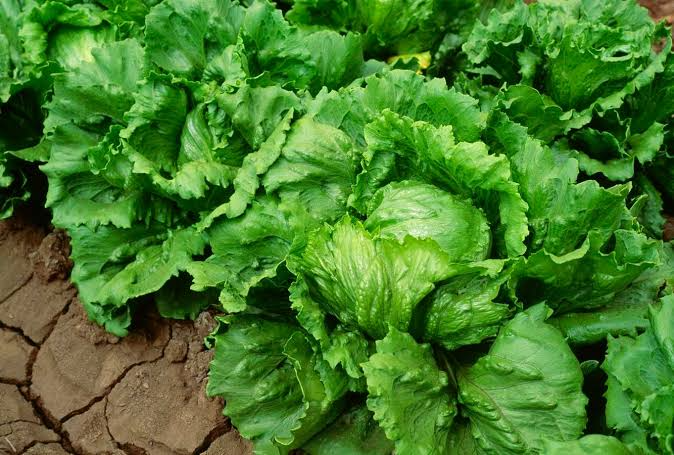
Taylor Farms has voluntarily removed Mexican sourced iceberg lettuce from the US market after a large multi state cyclospora outbreak raised urgent food safety concerns. The recall lands at a moment when many shoppers are already paying close attention to fresh produce, and it underscores how quickly a seemingly ordinary salad ingredient can become a public health issue.
What happened
The recall centers on iceberg lettuce sourced from Mexico and distributed in the United States while health officials investigate a growing outbreak of cyclosporiasis, an intestinal illness caused by the parasite Cyclospora. The decision to pull the product voluntarily signals that the company is trying to act before more consumers are exposed, even as investigators work to trace the contamination source and determine how widely the affected product moved through retail channels.
Cyclosporiasis is not the kind of foodborne illness most shoppers think about when they reach for a head of lettuce, yet it can cause significant discomfort and extended illness. The parasite is often associated with produce and water contamination, which makes fresh vegetables especially important to monitor during outbreaks. When a product like iceberg lettuce is implicated, it immediately raises concern because lettuce is often eaten raw, with no step that would reduce the risk before consumption.
Why this recall matters
Voluntary recalls are important because they can limit harm before a full investigation is complete. In a multi state outbreak, speed matters. Every extra day that a contaminated product remains on shelves or in home refrigerators increases the chance that more people will become sick. Taylor Farms’ decision to act now suggests that the company and public health officials see enough risk to justify an immediate market withdrawal.
This also matters because iceberg lettuce is a staple item in many households, restaurants, and grocery stores. It is cheap, widely available, and used in everything from backyard burgers to chopped salads and meal kits. That broad reach means even a limited contamination problem can affect a large number of consumers quickly, especially when distribution stretches across multiple states.
What consumers should do
Anyone who bought iceberg lettuce that may be connected to the recall should avoid eating it and should throw it away if the packaging or source matches the recalled product. If the lettuce has already been served or mixed into a dish, it is wise to discard any remaining portions and clean containers, cutting boards, and refrigerator surfaces that may have come into contact with it. Washing the outer leaves is not a reliable fix when a parasite is involved and the safest step is removal from the home entirely.
Consumers who develop symptoms such as watery diarrhea, stomach cramps, bloating, nausea, fatigue, or loss of appetite should contact a medical professional, especially if the symptoms persist. Cyclospora symptoms can take time to appear, and they may last longer than the stomach upset caused by a short lived food reaction. People with weakened immune systems, older adults, and young children should be especially careful to seek medical advice if illness develops after eating potentially affected produce.
Practical steps for households
- Check refrigerator drawers for iceberg lettuce purchased recently.
- Discard any product that matches recall details or seems suspicious.
- Wash hands, counters, and utensils after handling the lettuce.
- Monitor for gastrointestinal symptoms over the following days and weeks.
How cyclospora spreads
Cyclospora is a microscopic parasite that can contaminate food and water when sanitation systems are compromised. Unlike some bacteria that can be reduced by rinsing or cooking, Cyclospora requires more careful prevention because fresh produce is often eaten raw. That is one reason these outbreaks can be so disruptive. They are invisible at the point of purchase and only become apparent once illnesses begin to accumulate across different locations.
Public health agencies often spend days or weeks piecing together a source because the pattern is not always obvious at first. People may buy the same item from different stores, eat it in different dishes, or remember the food only after being interviewed by investigators. That is why a voluntary recall can be so useful. It removes a likely suspect from circulation while epidemiologists continue tracing the outbreak.
The larger food safety picture
This latest recall is another reminder that food safety is not just about large scale factory inspections. It depends on the entire supply chain, from the field to the packing facility to the distribution center to the store shelf. When one link weakens, the effect can spread quickly across states and into countless kitchens. Fresh produce remains one of the healthiest parts of the American diet, but it is also one of the most vulnerable when contamination occurs upstream.
For consumers, the frustration is understandable. People buy lettuce because they trust it as a routine, everyday food. A recall like this interrupts that trust and forces families to think differently about items that normally feel low risk. The good news is that recalls, when handled quickly, can prevent broader harm. The difficult part is making sure people actually hear about them in time.
What to watch next
In the coming days, the most important updates will come from health officials and the company itself. Shoppers should watch for clarification on the exact product codes, store locations, and date ranges involved. Public health agencies may also release guidance on how many cases have been tied to the outbreak and whether the recall is expanding to other produce items or distributors.
For now, the safest course is caution. If there is any doubt about whether a head of iceberg lettuce came from the recalled supply, it should not be eaten. In food safety, uncertainty should always lean toward disposal rather than risk. That is especially true with raw produce connected to a parasitic outbreak, where a simple meal can become the starting point for a much longer illness.
For readers who want to monitor outbreak guidance and recall notices, the FDA recalls page and the CDC cyclosporiasis resource provide the most reliable public information on foodborne parasite risks and current health advice.