Global investment is increasingly flowing toward the technologies, natural resources, and energy systems expected to shape the next phase of economic development. New data from the United Nations Conference on Trade and Development, known as UNCTAD, indicate that nearly half of global greenfield foreign direct investment is concentrating in strategic sectors, including artificial intelligence infrastructure, critical minerals, and clean energy. Released ahead of the World Investment Forum on October 22, 2026, the findings highlight a significant shift in international investment priorities. For governments seeking jobs and industrial growth, businesses planning major projects, and communities hoping to benefit from technological progress, the trend presents both a substantial opportunity and a difficult question: how can countries attract investment while ensuring that its benefits reach people beyond the projects themselves?
Global Investment Is Shifting Toward Strategic Industries
Greenfield foreign direct investment occurs when a company establishes a new business operation in another country, rather than acquiring an existing company or facility. These projects can include building a semiconductor manufacturing plant, constructing a renewable energy facility, opening a data center, or developing industrial infrastructure to process essential minerals. Because they often involve new facilities, equipment, and employees, greenfield investments can play an important role in expanding productive capacity.
UNCTAD’s reported findings suggest that nearly half of global greenfield investment is now directed toward strategic industries that governments and companies increasingly regard as essential to economic security and future competitiveness. Artificial intelligence infrastructure requires substantial computing capacity, reliable electricity, advanced chips, and high speed communication networks. Clean energy projects depend on technology, manufacturing capabilities, grid connections, and access to financing. Critical minerals support industries ranging from electric vehicles and battery storage to electronics and power generation.
These sectors are closely connected. A large data center needs a dependable electricity supply, while expanding renewable energy capacity requires specialized equipment, storage technologies, and mineral intensive components. The growing demand for artificial intelligence can therefore influence investment decisions in power generation, electrical equipment, cooling systems, and energy storage. Similarly, efforts to strengthen clean energy supply chains can create new opportunities for mineral processing and advanced manufacturing.
We should view this concentration of capital as more than a change in investor preferences. It reflects a broader reassessment of which industries are likely to influence economic resilience, technological leadership, and national development over the coming decades.
Why Artificial Intelligence Infrastructure Is Attracting Capital
Artificial intelligence has become a major consideration in corporate investment planning because advanced computing systems require substantial physical infrastructure. Behind every sophisticated digital service are data centers, servers, semiconductor chips, cooling equipment, telecommunications networks, and reliable electricity supplies. Expanding the use of AI therefore requires investment in buildings, power systems, hardware, and the networks connecting them.
For investors, these projects offer opportunities to serve growing demand for computing capacity. Technology companies need infrastructure to develop and operate increasingly complex AI systems, while businesses in finance, manufacturing, healthcare, retail, and logistics are exploring ways to use AI in their operations. Governments are also assessing how computing capacity affects national competitiveness and access to emerging technologies.
However, the financial and environmental demands are considerable. Data centers can consume large amounts of electricity and water, depending on their design and cooling systems. Their construction may place additional pressure on local power grids, particularly in regions where electricity generation and transmission infrastructure are already constrained. Communities may welcome the jobs and tax revenue associated with new facilities while also questioning whether the projects will increase electricity costs or compete with other users for scarce resources.
Countries hoping to attract AI infrastructure investment will need more than attractive tax incentives. Reliable electricity, modern telecommunications, a skilled workforce, predictable regulations, and transparent planning procedures can all influence where companies choose to build. Long term success will also depend on whether local workers and businesses gain opportunities to participate in the wider technology economy rather than remaining outside a highly capital intensive industry.
Clean Energy Investment Gains Strategic Importance
Clean energy is another major destination for international capital as countries seek reliable electricity supplies, lower emissions, and greater control over their energy systems. Solar power, wind generation, battery storage, modern electricity grids, and other low carbon technologies require substantial investment before their economic and environmental benefits can be fully realized.
For many countries, the issue is no longer simply how to generate more electricity. It is how to secure dependable power at a reasonable cost while meeting rising demand from households, industrial facilities, transportation systems, and data centers. The expansion of artificial intelligence makes this challenge particularly urgent because computing infrastructure can require continuous electricity supplies and substantial additional grid capacity.
Investment in clean energy can address part of this challenge while creating opportunities for domestic manufacturing, engineering, construction, and technical services. A new solar manufacturing facility, for example, may support employment directly while creating demand for transport companies, maintenance providers, and local suppliers. Wind farms and battery installations can also generate work during construction and require specialized skills throughout their operating lives.
Nevertheless, the presence of foreign capital does not guarantee that clean energy projects will deliver affordable power or widespread economic benefits. Project financing costs, grid connection delays, land requirements, and regulatory uncertainty can affect implementation. Governments must also consider how projects affect local communities, agricultural land, water resources, and existing livelihoods.
The strongest investment strategies will connect new energy capacity with broader development objectives. That means improving electricity networks, supporting technical education, establishing clear environmental safeguards, and creating conditions that allow local companies to participate in construction and maintenance. These measures can help countries capture more lasting value from international investment.
Critical Minerals Become Essential to the Global Economy
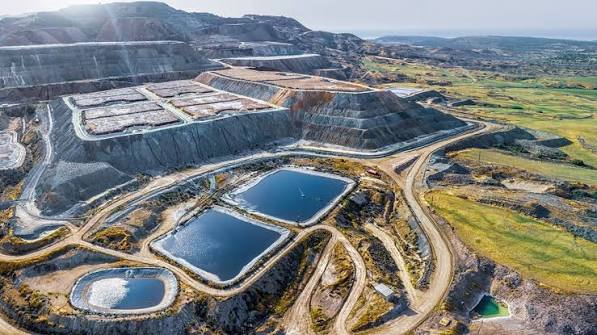
Critical minerals occupy an increasingly important position in international investment because they are essential components of many technologies associated with electrification, digital infrastructure, and advanced manufacturing. Depending on the technology, these materials can include lithium, cobalt, copper, nickel, graphite, and rare earth elements.
Demand for several of these resources is connected to the expansion of electric vehicles, renewable energy equipment, batteries, semiconductors, and electricity transmission networks. Copper is widely used in electrical systems, while lithium and graphite are important to many battery technologies. Particular rare earth elements are used in specialized magnets and other advanced components.
Countries possessing significant mineral deposits may therefore have opportunities to attract foreign investors seeking secure supplies. New mines, processing facilities, transport links, and supporting infrastructure can bring capital into regions that have historically received limited industrial investment. Such projects may also create export revenue and encourage the development of related industries.
Yet mineral wealth alone does not guarantee broad prosperity. Mining operations can create environmental damage, place pressure on water supplies, and disrupt communities if they are poorly managed. Commodity price fluctuations can also make projects financially vulnerable, leaving countries exposed when global demand weakens or new technologies reduce the need for particular materials.
A central development challenge is moving beyond the export of unprocessed resources. Where commercially viable, countries can seek investment in mineral refining, component manufacturing, recycling, and technical services. These activities may create additional employment and allow more economic value to remain within the producing country. Achieving this goal requires reliable infrastructure, technical expertise, environmental oversight, and a regulatory framework that supports responsible long term investment.
What UNCTAD Wants Policymakers to Consider
UNCTAD monitors international investment because foreign direct investment can influence industrial development, technology transfer, employment, and the ability of developing economies to participate in global production networks. The concentration of capital in strategic sectors creates an important policy challenge: countries must compete for investment while protecting their long term economic interests.
Investment incentives can help attract companies, but generous tax concessions do not necessarily produce the greatest public benefit. Governments need to assess the number and quality of jobs created, the strength of local supplier relationships, the transfer of technical knowledge, and the project’s contribution to national development goals.
Policy design also matters because strategic industries have different requirements. An AI data center needs reliable electricity and digital connectivity. A clean energy manufacturing facility may depend on access to transport networks, industrial land, and specialized workers. A mineral processing operation requires appropriate infrastructure, environmental monitoring, and a dependable supply of raw materials.
Rather than relying on a single approach, governments can build investment strategies around several practical priorities.
- Improve infrastructure: Expand reliable electricity networks, transport connections, water systems, and digital communications where demand justifies investment.
- Develop workforce skills: Support technical training and partnerships between educational institutions and employers so local workers can qualify for new opportunities.
- Strengthen regulatory certainty: Establish clear rules for taxation, permits, land use, environmental protection, and investor responsibilities.
- Support local suppliers: Help domestic businesses meet international standards and compete for contracts connected to major investment projects.
- Measure development outcomes: Track employment, productivity, local procurement, environmental performance, and the long term contribution to public revenue.
These priorities can help governments distinguish between investment that produces lasting economic benefits and projects that generate relatively limited domestic value despite their large financial size.
World Investment Forum Puts Development at the Center
The World Investment Forum provides an international platform for policymakers, investors, development institutions, and business leaders to discuss investment challenges and opportunities. The concentration of greenfield investment in AI infrastructure, critical minerals, and clean energy gives these discussions particular relevance as countries compete to attract projects that could shape their industrial futures.
For developing economies, the challenge is especially important. Many countries need substantial financing to expand electricity access, modernize transport systems, improve digital connectivity, and build more productive industries. Yet they may face high borrowing costs, limited fiscal resources, or difficulties attracting investors to projects that require large initial expenditures and take years to generate returns.
International cooperation can help address some of these barriers. Development finance institutions can support suitable projects, help mobilize private capital, and contribute expertise in areas such as infrastructure planning and project preparation. Governments can also work together to improve investment conditions and develop regional supply chains that allow neighboring economies to share infrastructure and industrial opportunities.
Readers can explore UNCTAD’s wider work on international capital flows, investment policy, and sustainable development through its official investment and enterprise programme. Its research provides useful context for understanding how investment decisions affect economic development across countries at different income levels.
Will Developing Countries Benefit Equally?
The concentration of investment in strategic industries does not mean that every country will attract an equal share. Investors often prioritize locations with dependable electricity, established infrastructure, access to major markets, predictable regulations, and an adequate supply of skilled workers. Countries that already possess these advantages may find it easier to secure additional projects, while less developed economies risk falling further behind.
This imbalance can be particularly challenging for countries that have substantial development needs but limited resources to prepare large investment projects. A country may possess valuable minerals or strong renewable energy potential without having the transport networks, grid connections, technical expertise, or financing needed to turn those assets into commercially viable operations.
There are, however, different ways for developing economies to participate. Countries do not necessarily need to host the largest data centers or most advanced semiconductor facilities to benefit from changing investment patterns. Opportunities may exist in equipment maintenance, renewable energy installation, mineral processing, component manufacturing, software services, and specialized logistics.
Regional cooperation can also help smaller economies overcome limitations in market size and infrastructure. Shared electricity networks, coordinated transport investments, and compatible regulations can make projects more attractive while allowing participating countries to specialize in different stages of production.
The objective should be to create conditions in which foreign investment contributes to domestic capabilities. Capital is valuable, but its wider contribution depends on whether it helps local businesses become more productive, workers develop marketable skills, and governments build a stronger foundation for future growth.
Environmental and Social Risks Require Careful Management
The movement of investment toward strategic sectors creates economic opportunities, but it also raises questions about sustainability and accountability. Renewable energy projects require land and materials, mining can affect ecosystems and water supplies, and AI infrastructure can increase demand for electricity and cooling. Even technologies designed to reduce emissions can create environmental pressures during manufacturing, construction, and disposal.
Responsible investment therefore requires credible environmental assessments, transparent consultation with affected communities, and clear mechanisms for monitoring performance. Governments should ensure that project approvals account for local conditions rather than treating large investment commitments as sufficient evidence of public benefit.
Social outcomes deserve similar attention. New industrial facilities can generate employment, but the benefits may remain limited if workers lack the required skills or if local businesses cannot compete for contracts. Communities may also face disruption without receiving adequate compensation or a fair share of the economic gains.
Investors have a role in addressing these concerns through responsible supply chain practices, worker protections, transparent reporting, and appropriate environmental standards. Governments, meanwhile, must enforce their rules consistently and ensure that public incentives are tied to clearly defined objectives where appropriate.
Good safeguards need not conflict with economic competitiveness. Predictable environmental standards and transparent regulations can reduce uncertainty, strengthen public trust, and help prevent expensive disputes that delay projects. Over time, these conditions can support a more stable investment environment.
What Businesses and Investors Should Watch Next
The reported concentration of nearly half of global greenfield foreign direct investment in strategic sectors offers a useful starting point for assessing where international capital is moving. However, investors and business leaders should look beyond headline figures to determine whether announced projects are being financed, constructed, and brought into operation.
Several indicators will help clarify how the trend develops over the coming months. Actual investment spending can reveal whether companies are following through on their commitments. Project completion rates can show whether infrastructure constraints are delaying implementation. Employment data and local procurement figures can help establish whether investment is producing meaningful benefits for host economies.
Businesses should also pay attention to electricity availability, mineral supply agreements, government investment policies, financing costs, and changes in demand for AI computing capacity. These factors can affect project profitability and determine which locations remain competitive.
For policymakers, the key question is whether new investment supports durable economic development rather than simply increasing the value of announced projects. For investors, the challenge is identifying opportunities that remain commercially viable while meeting environmental, social, and regulatory expectations.
Conclusion: Strategic Investment Could Shape the Next Phase of Development
UNCTAD’s reported findings ahead of the October 2026 World Investment Forum point to a significant concentration of greenfield foreign direct investment in artificial intelligence infrastructure, critical minerals, and clean energy. These sectors are connected to some of the most important economic priorities of the coming decades, including digital infrastructure, secure energy supplies, industrial competitiveness, and the transition toward lower carbon production.
The shift creates opportunities for countries seeking new industries, businesses looking for expanding markets, and workers hoping to access better employment. It also creates risks if investment remains concentrated in a small number of economies or fails to deliver sufficient benefits to local communities.
The difference will depend on the choices made by governments, investors, and development institutions. Reliable infrastructure, skilled workers, responsible environmental practices, transparent regulations, and strong domestic supply chains can help turn international capital into lasting economic value.
Ultimately, the significance of this investment trend will not be measured by financial commitments alone. Its lasting value will depend on whether the projects built today create productive industries, expand economic opportunity, and support a more resilient and sustainable global economy.