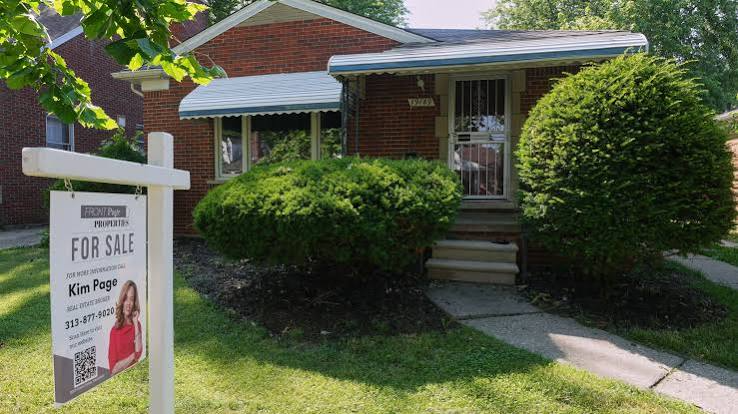
On July 9, 2026 I watched the latest national housing report and felt a familiar mix of astonishment and unease. The data shows that median and index prices for American homes have climbed to unprecedented levels, even while the volume of transactions cools and mortgage rates remain elevated. This paradox is not a fluke of statistics. It is the result of a severe shortage of homes available for sale combined with lingering demand, local market imbalances, and financial pressure on would be buyers.
What the numbers reveal
Several major price benchmarks set all time highs in late spring and early summer. The Case Shiller national home price index and the Federal Housing Finance Agency price index both recorded new peaks in annual gains for key metropolitan areas and for the nation as a whole. At the same time purchase applications, resale closings, and new listings have fallen below seasonal norms. Mortgage rates that averaged near 7 percent for conventional 30 year loans through the first half of 2026 remain an important headwind for buyer affordability. Yet low inventory has pushed sellers in many markets to maintain or raise asking prices, producing the unusual combination of record prices and subdued activity.
Why this is happening now
Three dynamics are converging to drive prices upward despite fewer transactions. First, the supply of homes for sale remains historically constrained. Years of underbuilding, zoning restrictions in dense regions, and the reluctance of existing homeowners to trade a low rate mortgage for a higher one have left a thin stock of move in ready housing. Second, persistent demand from buyers who need more space, are relocating for jobs, or who are seeking housing as an inflation hedge keeps a pressure point under prices. Third, investor activity and cash buyers in selected metros continue to outbid ordinary buyers for limited listings, supporting price gains even as volume drops.
Inventory shortages and the lock in effect
One practical force that keeps supply low is what economists call the lock in effect. Millions of homeowners secured mortgages at rates far below todays level during earlier periods. Those homeowners face a financial penalty if they sell and replace their mortgage at today s higher rate. As a result many delay listing, reducing the turnover that normally cools prices. Locally I visited a suburban neighborhood where for sale signs are rare and open houses attract dozens of visitors despite high financing costs. The scarcity is tangible; people describe a feeling of urgency when a home is listed because competition is immediate and intense.
Who benefits and who is squeezed
Rising prices help homeowners who are near retirement and who can capitalize on decades of equity accumulation. Sellers in high demand neighborhoods can time a sale to extract top dollar. Home equity also provides a cushion for families facing economic shocks. However rising prices are an acute burden for first time buyers, renters, and lower income households. Higher purchase prices combined with higher mortgage rates reduce affordability and push many would be buyers into bidding contests or rental markets that may be increasingly strained.
Regional differences matter
National headlines mask wide regional variation. Coastal and sunbelt metros that experienced strong job growth still show robust price appreciation and intense competition. Some interior and rural areas with less employment growth have weaker price momentum and longer listing periods. For readers weighing a move it is essential to examine local supply data, days on market trends, and employment forecasts rather than rely on national averages.
Policy, builders, and longer term supply
Addressing the imbalance will require coordinated action on multiple fronts. Builders report higher costs for labor and materials plus challenges in obtaining land and zoning approvals, which constrain new construction. Local governments can speed approvals for multifamily projects and revise restrictive zoning that blocks denser housing near transit and jobs. Federal programs that incentivize affordable development and support first time buyers could blunt some pressures, but those measures take time to implement. Meanwhile market participants must adapt to a reality where limited supply sustains pricing power for sellers.
What builders and regulators say
Industry groups point to a decade long gap between household formation and housing starts as the central structural cause of the supply shortfall. Planners emphasize that building more units in high demand corridors would help over years rather than months. Some state and municipal authorities are piloting faster permitting and fee reductions for projects that include affordable units. Observing these efforts in person, I heard both hope and caution from local officials who worry about community resistance to density and long construction timelines.
Practical advice for prospective buyers and sellers
For buyers: become a prepared and informed shopper. Get preapproved with a realistic budget that accounts for current mortgage rates. Consider alternate financing such as adjustable rate mortgages for short term ownership plans, or expand search parameters to adjacent neighborhoods where price pressure may be lower. Work with an experienced agent who monitors days on market and typical seller concessions locally. Saving for a larger down payment can reduce monthly payments and make offers more competitive.
For sellers: realistic pricing and strong presentation still matter when demand is concentrated. In many markets staged homes and flexible closing timelines bring multiple offers. Sellers should balance the temptation to chase top dollar with the cost of buying a replacement home at higher rates. Consulting a financial advisor about whether to lock in a new mortgage before listing may prevent unpleasant surprises.
How this affects renters and long term outlook
Rising home prices often spill over to rental markets. Landlords facing higher acquisition costs can raise rents and reduce vacancy incentives. That dynamic burdens households who are squeezed out of ownership by higher entry costs. Over the longer term, sustained higher prices can spur more construction, shifting supply and slowly easing pressure if zoning and financing barriers are addressed. But that is a multi year process and the near term likely holds tight markets for many places.
Data sources and further reading
The assertions in this article rest on public price indexes and market reports from major housing data providers and federal agencies. For deeper context on price indexes and methodology refer to the Case Shiller index documentation and the Federal Housing Finance Agency s housing price data. Additional analysis of mortgage rate trends and purchase application flows is available from the Mortgage Bankers Association.
Final thoughts
The image of a crowded open house and a line of hopeful bidders is now a recurring scene across many American neighborhoods. Record high prices show how scarce housing supply can overwhelm affordability even when financing costs are elevated. Solving this will not be instantaneous. It will require home building at scale, pragmatic policy choices, and financial strategies that help households navigate a market where price peaks coexist with cooling activity. For families and communities that feel squeezed the path ahead includes short term coping choices and longer term engagement with the land use and housing policies that determine whether these price records become a sustained barrier or a turning point toward greater supply and stability.
Would you like local market data for a specific city or guidance on mortgage products that might fit your situation?