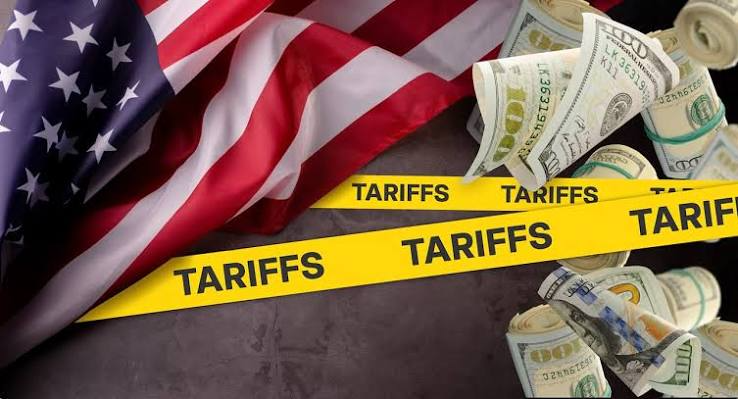
The United States has moved to impose broader tariffs aimed at supply chain forced labor practices, a policy shift that immediately drew pushback from major Asian and European economies and set off new tensions across global trade lanes. The move signals a harder line from Washington on labor standards, but it also raises difficult questions about how far trade policy can go before it starts reshaping prices, sourcing, and diplomatic trust in ways that ripple far beyond the factory floor.
A sharper trade weapon
Tariffs have long been used to pressure foreign producers, but this latest round is being framed around labor conditions inside international supply chains, not just market access or industrial competition. That makes the policy especially charged because it reaches into the ethical side of global commerce, where forced labor allegations are not only legal and humanitarian issues but also reputational ones for the companies that buy and sell across borders. The message from Washington is clear: firms that benefit from compromised labor practices may face a higher cost of doing business in the United States.
In practical terms, that means more scrutiny at customs, more compliance work for importers, and more pressure on multinational companies to trace where their products, components, and raw materials actually come from. Supply chain transparency has become a boardroom issue, but the new tariff walls raise the stakes by turning ethical sourcing into a direct trade cost. For manufacturers, retailers, and logistics firms, this is no longer a distant policy debate. It is a budgeting issue, a sourcing issue, and in some cases a survival issue.
Why governments are pushing back
Major Asian and European economies were quick to object, and their response is not hard to understand. Many countries see the tariffs as an aggressive use of trade power that may punish broad sectors even when only parts of a supply chain are implicated. They also worry that Washington is effectively setting labor enforcement rules for the rest of the world while using market access as the enforcement tool.
That criticism reflects a familiar tension in global trade. Governments may agree that forced labor is unacceptable, but they often disagree sharply about the best way to combat it. Some prefer cooperative audits, traceability rules, and bilateral enforcement. Others prefer sanctions and import restrictions. The United States has chosen the harder route here, and its allies and trading partners are signaling that they do not want precedent to become policy. The dispute is likely to continue through formal protests, trade negotiations, and possibly legal challenges in international forums.
The supply chain problem
What makes this issue so difficult is that modern supply chains are deeply layered. A finished product may pass through multiple countries, contractors, and subcontractors before reaching a store shelf or warehouse. That complexity creates room for hidden labor abuses, but it also makes enforcement difficult. A company may believe it is buying from a responsible supplier while a lower tier subcontractor is sourcing from a facility with abusive labor conditions. When that happens, the blame can spread across borders very quickly.
This is why tariff policy can produce such a strong reaction. It forces companies to ask harder questions about traceability, documentation, and the credibility of their sourcing controls. In theory, the goal is to make it harder for goods linked to forced labor to enter the American market. In practice, the challenge is proving which goods are affected, which firms are responsible, and how to enforce the rule without causing unnecessary damage to lawful trade. That balance is never simple, and in a tense geopolitical climate it becomes even harder to strike.
Impact on consumers and companies
For consumers, the effects may show up first in price. Tariffs almost always create some combination of higher import costs, tighter inventories, and longer lead times, especially when companies scramble to rework sourcing plans. Not every product will become more expensive overnight, but the pressure can spread quietly through categories ranging from electronics and apparel to household goods and industrial components. When supply chains are already stretched, even modest new costs can matter.
Companies, meanwhile, will likely respond in several ways. Some will diversify suppliers and reduce exposure to the regions most affected by the tariff wall. Others will accelerate audits and third party verification. A few may absorb the cost temporarily in order to preserve market share. But nearly all import dependent firms will have to revisit the same question: how much visibility do we really have into our supply chain, and how quickly can we prove it?
Trade policy and moral pressure
There is a deeper reason this issue is drawing attention beyond economics. Forced labor is one of the most serious accusations that can be made about a supply chain because it connects profit to human suffering. That moral dimension gives governments a powerful justification for action, and it also makes public opposition harder for trading partners to sustain. Few countries want to be seen defending abuse, even if they object to the method chosen to combat it.
At the same time, using tariffs as the tool of enforcement creates a risk of unintended consequences. Broad measures can hit firms that are trying to comply, not just those that are evading the rules. They can also encourage retaliation, which may spread the dispute into unrelated sectors. What begins as a labor rights measure can quickly become a wider trade conflict, with consumers and workers far from the original dispute paying part of the price.
What happens next
The next phase will depend on how aggressively the U.S. enforces the tariffs and whether trading partners decide to respond with countermeasures or negotiations. If the policy remains broad, companies will likely increase due diligence and seek alternate sourcing routes, even if that means higher costs in the short run. If diplomatic pressure leads to exemptions or narrower application, the immediate economic shock may ease, but the underlying message about forced labor will remain.
For readers following the policy side, two useful reference points are the Office of the United States Trade Representative and the World Trade Organization, both of which shape the rules and disputes that govern global commerce. Their work matters because this is not just a tariff story. It is a story about how the world enforces labor standards, how trade powers respond to ethical pressure, and how quickly supply chains can become political battlegrounds.
The broader economic picture
We are likely seeing another sign that globalization is entering a more selective phase. The era of cheapest possible sourcing is giving way to a harder calculation that includes labor risk, political risk, and reputational risk. That shift may ultimately produce cleaner and more traceable supply chains, but it will not happen without friction. In the short term, it means companies must adapt to a world where compliance is no longer a side function. It is central to trade.
For governments, the challenge is just as serious. They must decide whether tariffs are the best way to protect human rights without creating unnecessary economic harm. For now, Washington has answered yes. Its trading partners are saying no. The result is a trade fight that is as much about values as it is about goods, and that makes it one of the most consequential policy confrontations of the year.