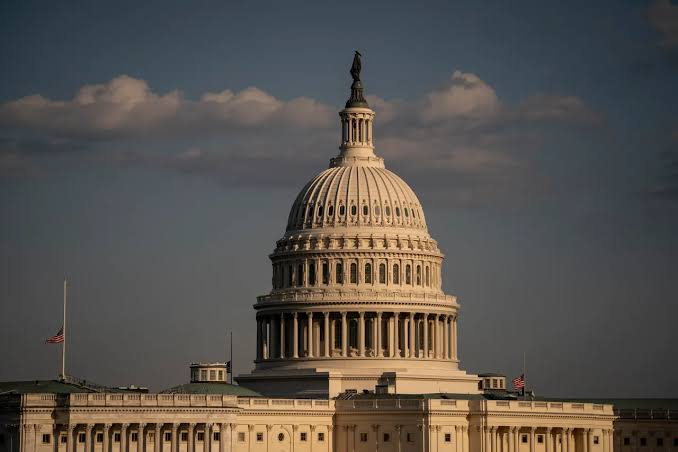
Crypto markets entered September with investors watching Washington almost as closely as the price charts. Bitcoin and other digital assets faced sharp volatility near the $78,000 level as the US Senate moved toward procedural votes on the comprehensive CLARITY Crypto Act, legislation designed to bring greater certainty to the rules governing digital assets. For investors, exchanges, financial institutions, and technology companies, the vote could become a defining moment in the effort to establish clearer responsibilities across the rapidly changing cryptocurrency economy.
Why the Senate Vote Matters to Crypto Markets
The CLARITY Act has attracted attention because the cryptocurrency industry has spent years operating amid uncertainty over which agencies should oversee different digital assets and activities. The lack of clear boundaries has affected companies deciding where to operate, investors assessing regulatory risk, and financial institutions considering whether to offer digital asset services.
The procedural vote scheduled by the Senate is therefore significant even before lawmakers reach a final decision on the legislation. A cloture vote is designed to move Senate debate toward a conclusion and can determine whether a bill has enough support to advance. For financial markets, that process can generate substantial expectations because traders often react before legislation becomes law.
We should view the market reaction through that lens. A move toward clearer regulation does not automatically mean that cryptocurrency prices will rise. Instead, investors are trying to estimate what the legislation could mean for exchanges, token issuers, blockchain networks, custodians, stablecoins, and traditional financial institutions that want greater access to digital assets.
Crypto Prices Reflect Political Uncertainty
The cryptocurrency market has always been sensitive to changes in regulation, monetary policy, liquidity, and investor confidence. With Bitcoin trading around the $78,000 area in the supplied market picture, even relatively small changes in expectations can produce noticeable price movements.
For investors watching the Senate, the immediate question is whether lawmakers can move the CLARITY Act forward. A successful procedural step could strengthen expectations that the United States is moving toward a more defined digital asset framework. Delays, disagreements, or changes to important provisions could produce a different reaction.
That uncertainty is particularly important for professional investors. Large funds and financial institutions often need predictable rules before committing substantial capital to an emerging market. Regulatory clarity can influence whether companies invest in infrastructure, establish custody operations, launch new products, or expand their cryptocurrency services to American customers.
What the CLARITY Act Is Intended to Address
The legislation is centered on creating clearer definitions for digital assets and establishing more understandable lines of responsibility for regulatory oversight. One of the biggest questions in cryptocurrency policy has been determining which assets should fall under securities regulation and which activities should be treated differently.
Clearer definitions could reduce confusion for businesses that currently have to interpret overlapping regulatory expectations. The objective is not simply to create another set of compliance requirements. A well defined framework could also tell legitimate companies what standards they need to meet before offering products and services to the public.
Clearer Rules for Digital Asset Businesses
Cryptocurrency exchanges could be among the businesses most affected by a comprehensive framework. Exchanges need to understand which assets they can list, what disclosures may be required, how customer assets should be handled, and which regulatory authority has jurisdiction over particular activities.
Custody providers and financial institutions also have a strong interest in the outcome. Banks and other established financial companies have generally been cautious about expanding into cryptocurrency because regulatory uncertainty can create significant legal and operational risks.
A clearer system could make it easier for these institutions to evaluate digital asset services using familiar compliance principles. That could eventually increase competition and give consumers more choices for buying, selling, storing, and transferring digital assets.
The International Dimension of US Crypto Regulation
The legislation is also being closely watched because cryptocurrency markets operate across national borders. A digital asset can be created in one country, traded through a platform in another jurisdiction, and held by customers around the world within seconds.
That reality makes regulatory coordination increasingly important. If the United States establishes clearer definitions while other major economies maintain substantially different classifications, companies may still face complicated compliance obligations when serving international customers.
Global investors are therefore watching the Senate debate for more than its domestic consequences. A clearer US framework could influence discussions among regulators in Europe, Asia, and other major financial centers. International cryptocurrency businesses may eventually use American rules as one reference point when designing their compliance structures.
The US Senate remains central to that process because the legislative path will determine whether the proposed framework advances and what provisions ultimately survive negotiations.
Why Regulatory Clarity Could Help Traditional Finance
Traditional financial institutions have increasingly explored blockchain technology, tokenized assets, stablecoins, and digital settlement systems. Yet many firms have remained careful because uncertainty over regulatory treatment can make long term planning difficult.
A comprehensive digital asset framework could give banks, investment companies, payment providers, and technology firms greater confidence when assessing new services. That does not mean every institution would immediately enter cryptocurrency markets. Compliance costs, cybersecurity risks, consumer protection concerns, and market volatility would remain important considerations.
Still, predictable rules can change the calculation. A company may be willing to invest in a new product when it understands the legal requirements, while the same investment may appear too risky when regulations are unclear or subject to sudden interpretation.
Investors Should Look Beyond the Bitcoin Price
The market’s attention to the $78,000 level is understandable, but focusing only on Bitcoin’s price can obscure the larger significance of the legislative debate. The CLARITY Act could affect the structure of the broader digital asset industry even if Bitcoin itself remains highly volatile.
Investors should watch several areas as the Senate process develops. These include the treatment of different categories of digital assets, regulatory responsibilities, exchange oversight, consumer safeguards, disclosure expectations, and the ability of financial institutions to participate in cryptocurrency markets.
For individual investors, the most practical lesson is to avoid treating a legislative vote as a guaranteed trading signal. Political developments can produce rapid price movements in both directions, particularly when traders have already positioned themselves around an expected outcome.
Consumer Protection Remains a Major Concern
Regulatory clarity is valuable only if it also protects people who use digital assets. Cryptocurrency markets have experienced fraud, hacking incidents, misleading promotions, market manipulation, and the collapse of poorly managed businesses. Stronger rules could help establish clearer responsibilities for companies serving ordinary customers.
Consumers need confidence that platforms holding their assets have meaningful safeguards and that businesses cannot simply move between regulatory categories to avoid oversight. Clear requirements could also make it easier for regulators to identify misconduct and determine which authority should respond.
At the same time, policymakers face the difficult task of protecting consumers without eliminating useful innovation. Excessive restrictions could push legitimate businesses toward jurisdictions with fewer requirements, while weak oversight could leave consumers exposed to serious risks.
What Could Happen After the Procedural Vote
The Senate vote is only one stage of the legislative process. Even if the procedural step succeeds, lawmakers may continue negotiating details before a final measure can advance. Amendments and political disagreements can change important sections of major legislation.
Markets may therefore remain volatile as investors react to each development. Traders could respond to signs of bipartisan support, disagreements over regulatory authority, changes to asset classifications, or indications that lawmakers are struggling to reach consensus.
The US Congress legislative database provides a central public record for tracking bills, legislative actions, and developments as the process moves forward.
A Potential Turning Point for the Digital Asset Industry
The significance of the CLARITY Act extends beyond a single Senate vote. Cryptocurrency has matured from a niche technological experiment into a global financial market involving exchanges, banks, payment companies, investment firms, software developers, and millions of individual users.
That growth has made regulatory uncertainty increasingly difficult to ignore. Businesses need rules they can plan around. Consumers need meaningful protection. Investors need reliable information about the legal environment surrounding the assets they purchase. Regulators need enough authority and clarity to respond when problems arise.
We should also recognize that legislation cannot eliminate the inherent volatility of cryptocurrency markets. Even with clearer rules, digital assets will remain sensitive to investor sentiment, economic conditions, technological developments, liquidity, and global events. Regulation can establish boundaries, but it cannot guarantee prices or remove investment risk.
Washington’s Crypto Debate Enters a Critical Stage
As Bitcoin trades near the $78,000 mark and global investors monitor developments in Washington, the Senate’s procedural action gives the cryptocurrency industry another reason to pay close attention to US policy.
The central issue is ultimately bigger than whether digital assets rise or fall after a vote. The more consequential question is whether the United States can establish a regulatory structure that gives legitimate businesses room to operate while protecting consumers and preserving confidence in financial markets.
If lawmakers succeed, the CLARITY Act could provide an important foundation for the next phase of digital asset adoption. If negotiations stall, the industry may continue operating under a patchwork of rules that leaves businesses and investors uncertain about what comes next.
For now, the Senate process represents a crucial test of how Washington intends to approach cryptocurrency. Investors may continue watching the price charts, but the more lasting story is being written in legislative language, where decisions made this month could influence the direction of America’s digital asset economy for years to come.