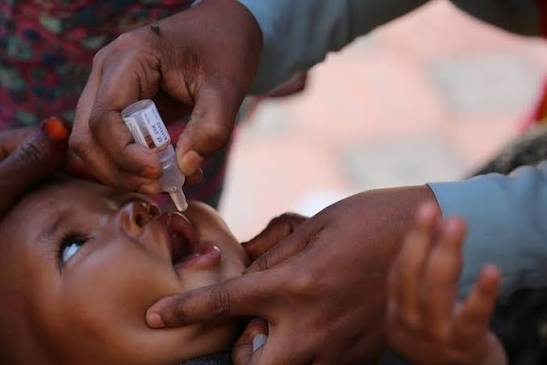
The World Health Organization announced on July 27, 2026 that reported wild poliovirus cases have fallen to single digits worldwide, creating a focused six to twelve month window that experts call a historic opportunity to finish eradication. The data reflect years of coordinated vaccination drives, surveillance improvements, and community engagement that together have pushed the virus to the brink of extinction. That final stretch will demand intense operational focus, political will, and public trust to seal a victory that would rank among the greatest public health achievements of modern times.
Where the virus remains and what single digits mean
When we talk about single digit cases we mean confirmed wild poliovirus infections reported through global surveillance networks. The reduction to this level is a milestone because it changes the nature of response from broad control to targeted elimination. Remaining transmission is geographically concentrated and often occurs in areas with access barriers, conflict, or gaps in routine immunisation. That concentration creates both a strategic advantage and a logistical challenge. Programs can direct resources precisely but must also overcome local complexities that have allowed the virus to persist for decades.
How surveillance and rapid response work together
Surveillance systems detect poliovirus through acute flaccid paralysis reporting and environmental sampling of sewage. When a case or positive wastewater sample appears teams deploy to trace contacts, vaccinate households, and ramp up community outreach. These rapid response operations have shortened the interval between detection and interruption of transmission. The WHO emphasises that maintaining high quality surveillance now is crucial because a single missed chain of transmission could extend the timeline by years.
Why this window exists now
Several converging factors produced the present opportunity. Global routine immunisation coverage has improved in many high risk areas through programmatic scale up and funding. Innovations in vaccine formulation and delivery have made campaigns safer and more effective. Donor coordination and political commitments, particularly from affected countries and international partners, have increased the resources available for last mile operations. At the same time scientific progress in genomic sequencing allows health officials to map transmission chains with accuracy that was not possible a generation ago.
Community trust as the decisive factor
Technical tools matter, but so does community trust. In places where caregivers accept vaccination and local leaders support teams access improves dramatically. The WHO and partner agencies have invested in social mobilisation, training of local health workers, and culturally sensitive messaging to address vaccine hesitancy and misinformation. Those grassroots efforts often determine whether a campaign reaches every child under five who needs protection.
Operational priorities for the next six to twelve months
To capitalise on the window WHO and partners outline several immediate priorities. First, sustain and intensify vaccination rounds in the identified hotspots with sufficient doses and trained personnel to achieve high coverage quickly. Second, expand environmental surveillance where feasible so silent transmission cannot hide in wastewater networks. Third, maintain surge capacity for rapid response teams ready to deploy at short notice. Finally, protect health workers and maintain supply chains in areas affected by insecurity so operations are not repeatedly halted.
Practical steps that could make the difference
- Ensure vaccine stockpiles are strategically prepositioned near high risk districts to avoid delivery delays.
- Mobilise additional surveillance labs for faster genomic sequencing and viral detection.
- Offer contextualised community engagement led by trusted local figures to address fears and misinformation.
Funding, politics, and global solidarity
Eradication requires sustained financing and unwavering political attention. Donor pledges and national budgets must cover intensified campaign costs, surveillance expansion, and workforce protection. Political leaders play a role by maintaining open access for health teams and signalling support that helps local authorities prioritise polio work among competing demands. The cost of finishing eradication now is a fraction of the economic and human cost that would accrue if poliovirus reestablished endemic transmission in more countries.
What success would mean
Beyond eliminating paralysis from wild poliovirus, eradication would free resources for other public health priorities and strengthen health systems. The laboratory and surveillance networks built for polio already support detection of other pathogens. A successful outcome would further validate investments in immunisation infrastructure and community health workers, creating a legacy that extends to routine vaccination, maternal health, and outbreak readiness.
Risks that could derail the effort
The window is narrow and vulnerable to setbacks. Political instability can block access to children. Misinformation campaigns may reduce vaccine acceptance in fragile communities. Funding shortfalls could interrupt planned rounds or delay procurement. Moreover vaccine derived polioviruses remain a separate but related risk that requires continued use of appropriate vaccine strategies and careful monitoring. Managing these threats requires anticipatory planning and nimble coordination among agencies on the ground.
Voices from the field
We spoke with frontline workers who described long days carrying cool boxes of vaccine through heat and rain, meeting parents at community halls and marketplaces, and celebrating when a campaign reported complete coverage in a remote village. A local health officer recalled how a single case years earlier prompted community reflection and eventual acceptance of door to door vaccination. Those personal stories show how technical strategies translate to human action and how community relationships make or break eradication campaigns.
How the public can help
Citizen participation matters even as operations scale up. Caregivers should keep routine immunisations up to date and follow guidance from local health authorities about supplementary campaigns. Journalists and community leaders can help by reporting responsibly and countering false information about vaccines. Donors and philanthropies can sustain the momentum by funding the surge operations that the WHO identifies as critical in the months ahead.
Where to follow progress
WHO will publish regular updates on case counts, surveillance findings, and operational progress. For technical details and global context readers may consult the World Health Organization polio programme pages and the Global Polio Eradication Initiative for coordination updates and resources.
The moment is fragile but real. If the six to twelve month window is seized with urgency and care the world may soon record the last case of wild poliovirus. That outcome would be a rare global public health success, achieved through science, solidarity, and sustained attention to communities most at risk.