The 2026 Commonwealth Games in Glasgow produced moments that will be replayed for years. At the Emirates Arena and Glasgow Green, weightlifters reset expectations in multiple categories while junior squash players announced themselves on the international stage by breaking Games records and personal barriers. The competition combined raw physical achievement with the quiet, human stories that explain why sport matters beyond medals.
Weightlifting that redefined limits
We watched athletes approach the platform with the same mix of ritual and focus every lifter carries. The clang of plates, the quick intake of breath, the tattoos and chalk dust under arena lights created an atmosphere where each attempt felt decisive. Across several weight classes athletes set new Commonwealth Games records in snatch, clean and jerk, and total. These were not marginal gains that happen through rounds of competition. Many records were moved by substantial margins, signaling deeper shifts in training methodology, nutrition, and athlete development across member nations.
Standout performances and their significance
Notable among the performances was a lifter who placed a national record and Games record at the same time, turning a personal peak into a moment that elevated their country’s profile in the sport. Coaches credited improved talent pipelines and more scientific approaches to periodisation for the new benchmarks. For smaller federations the results were particularly meaningful. They showed how targeted investment and specialist coaching can close gaps with traditional powerhouses and produce podium contenders in shorter timeframes.
Junior squash announces a new generation
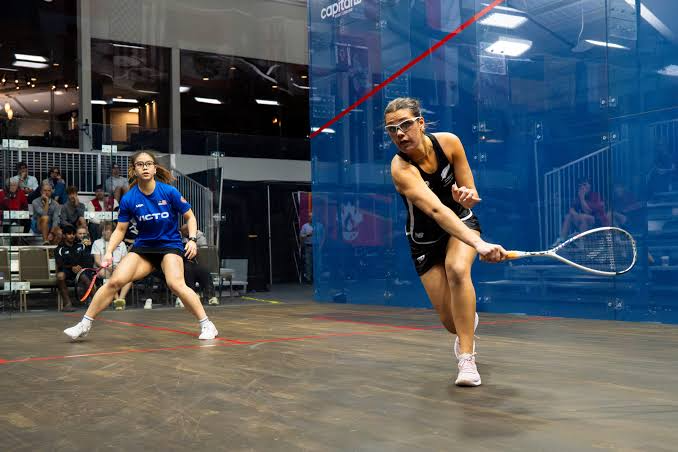
On the squash courts the action was fast and physical. Junior internationals delivered one of the tournament’s most compelling narratives. Young players who had been fixtures in regional circuits arrived ready to challenge older peers, producing new Games records in junior divisions. Rallies stretched past classic lengths, skillful angles and explosive movement turned points into miniature dramas, and post match embraces revealed how much the moment mattered to athletes often still in school.
How junior success matters for the sport
Setting records at a multi sport event matters for pathways. National associations will use these results to secure funding, to attract coaching talent, and to expand grassroots programs. For the athletes themselves the exposure can be a turning point. Scholarship opportunities, professional training contracts, and invitations to higher level tournaments frequently follow standout performances at Games. That pipeline effect means today s junior champions may become next cycle s senior medalists and role models.
Coaching, science, and athlete welfare
Both weightlifting and squash highlighted the impact of modern support systems. Sports science teams were visible at warm ups, tracking recovery metrics and adjusting loads. Nutritionists and physiotherapists worked alongside coaches to tailor programs for rapid competition turnarounds. Yet the human cost of pushing limits was also clear. We observed careful load management conversations and controlled training plans aimed at minimising injury risk while allowing athletes to peak for competition.
Balancing performance and long term health
Some federations are adopting longitudinal monitoring tools to track musculoskeletal health and training stress. That data guides decisions about competition schedules and return to play protocols. Athletes and coaches described how having a medical team make decisions based on objective markers reduced pressure to compete when not fully ready. That approach protects careers and preserves future talent pools which national programs rely upon.
Moments beyond medals
There were quieter stories that capture the spirit of the Games. A veteran coach from a developing country shared how a single medal had unlocked government support for a national training centre. A young lifter celebrated a record while holding a photograph of a late mentor. A junior squash player who arrived with limited resources described borrowing shoes for early rounds and then winning a match that earned a sponsor s interest. These moments remind us that sport is an engine for opportunity and national pride as much as it is a test of individual ability.
Community and inspiration
Local volunteers and grassroots clubs played a role in the build up and execution of the events. Young fans packed the stands, and for many this was the first chance to see elite competition live. That proximity creates a feedback loop. When children see athletes who resemble them succeed on a big stage they are likelier to try sport themselves. The ripple effect supports future participation rates and strengthens community health outcomes.
What federations and organisers can take forward
There are pragmatic lessons embedded in the Games outcomes. Federations should continue investing in junior programs, sports science, and coach education while ensuring transparent pathways to elite competition. Event organisers can prioritise athlete recovery spaces and scheduling that reduces peak congestion. Funding bodies should recognise the multiplier effect of targeted spending where a single medal or record can catalyse broader investment.
Policy and investment priorities
- Support long term development through school and community partnerships that identify talent early while protecting education pathways.
- Fund sports medicine and recovery infrastructure to sustain athlete careers and reduce chronic injury risk.
- Encourage international exchange programs so coaches and athletes can access diverse training environments and competitive exposure.
The legacy of Glasgow 2026
Records alone do not define a Games legacy. The lasting impact will be measured by how nations translate peak performances into more robust systems for coaching, competition and athlete welfare. Glasgow provided a showcase where emerging talent met elite expertise and where junior athletes received a platform broad enough to change life trajectories. If the momentum from these record setting performances is captured thoughtfully the result could be a stronger, deeper, and more inclusive sporting community across the Commonwealth.
Readers who want context on global multisport event trends may consult the Commonwealth Games Federation for event specifics and the International Weightlifting Federation for technical records and historical data.