April 19, 2026 reveals a clear shift in how people approach home improvement and maintenance. New industry data shows that the Do It For Me segment is growing at an annual rate of 4.2 percent, outpacing traditional Do It Yourself retail. We see this as more than a market trend. It reflects changing lifestyles, evolving consumer expectations, and a growing preference for convenience over hands on labor.
A Shift from Hands On to Hands Off
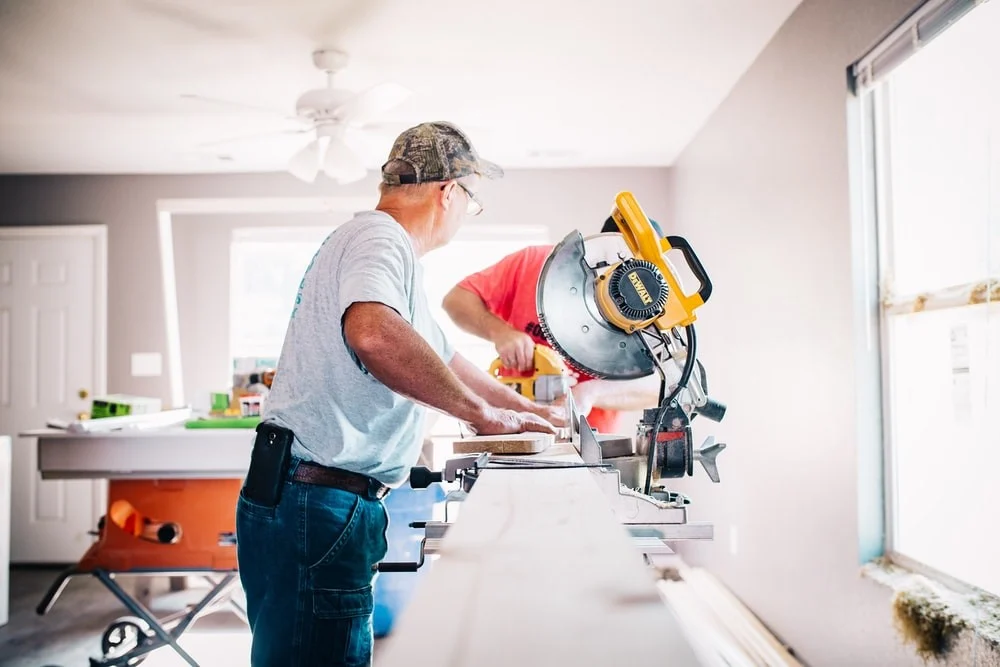
For decades, DIY culture symbolized independence and creativity. Weekend projects, hardware store visits, and self guided renovations were once central to homeownership. Today, that narrative is changing. Many consumers are choosing to hire professionals rather than take on projects themselves.
We observe that time constraints play a major role. Modern work schedules leave little room for lengthy home projects. For many families, hiring a skilled technician or contractor is not just a luxury but a practical decision. The rise of DIFM services reflects a growing desire to delegate tasks that require expertise, precision, and time.
The Numbers Behind DIFM Growth
The reported annual growth rate of 4.2 percent highlights steady expansion in the DIFM sector. This includes services such as appliance installation, home repairs, remodeling, and maintenance. In contrast, traditional DIY retail growth has slowed as fewer consumers engage in large scale self managed projects.
This divergence signals a broader transformation in the home improvement market. Spending is shifting away from tools and raw materials toward professional services. As a result, businesses that offer installation and maintenance are seeing increased demand.
Why Consumers Are Choosing Professional Services
Several factors are driving the preference for DIFM solutions. We see a combination of economic, social, and technological influences shaping this behavior.
- Limited time due to demanding work schedules
- Greater access to skilled professionals through digital platforms
- Rising complexity of modern appliances and home systems
- Desire for high quality and reliable results
These elements create a strong case for outsourcing home improvement tasks. Consumers are increasingly willing to pay for peace of mind, knowing that the job will be completed efficiently and correctly.
The Role of Technology in Expanding DIFM
Digital platforms have made it easier than ever to connect with service providers. Mobile apps and online marketplaces allow users to book technicians, compare prices, and read reviews within minutes. This accessibility has significantly lowered the barrier to hiring professionals.
We recognize that technology has also improved service quality. Professionals can now use advanced tools, diagnostics, and project management systems to deliver better outcomes. This combination of convenience and reliability strengthens the appeal of DIFM services.
Insights into global consumer behavior and service trends can be explored through resources such as the McKinsey consumer insights, which examine how preferences evolve across industries.
Impact on Retailers and Hardware Stores
The growth of DIFM presents both challenges and opportunities for traditional hardware retailers. Stores that once relied heavily on DIY customers are now adapting their business models. Many are expanding into service offerings, partnering with contractors, or providing installation packages alongside product sales.
We see a gradual blending of retail and service. Instead of selling a product alone, businesses are offering complete solutions. This approach aligns with consumer expectations and helps retailers remain competitive in a changing market.
Workforce Implications and Job Creation
The expansion of DIFM services is also reshaping the labor market. Demand for skilled tradespeople is rising, creating new opportunities in fields such as plumbing, electrical work, and home renovation. This trend highlights the importance of vocational training and skill development.
We understand that these roles require specialized knowledge and hands on expertise. As more consumers seek professional help, the need for qualified workers becomes increasingly critical. Governments and educational institutions may need to invest in training programs to meet this demand.
Data on labor trends and skill development can be further explored through the World Bank jobs and development overview, which provides insights into workforce dynamics worldwide.
Consumer Psychology and the Value of Convenience
At the heart of this shift lies a change in consumer mindset. Convenience has become a defining factor in purchasing decisions. People are prioritizing experiences that save time and reduce stress.
We hear from homeowners who describe the relief of handing over complex tasks to professionals. The assurance of a job well done outweighs the satisfaction of completing it independently. This emotional dimension is a key driver of DIFM growth.
Challenges Facing the DIFM Sector
Despite its rapid expansion, the DIFM segment faces its own set of challenges. Maintaining consistent service quality across a growing network of providers can be difficult. Pricing transparency and customer trust are also critical issues.
We recognize that as demand increases, so does the need for regulation and standardization. Ensuring that consumers receive reliable and fair services will be essential for sustaining growth.
A Global Perspective on Changing Habits
The rise of DIFM is not limited to a single region. It is a global phenomenon, reflecting similar shifts in consumer behavior across developed and emerging markets. Urbanization, increased income levels, and changing lifestyles contribute to this trend.
We see this as part of a broader movement toward service oriented economies. As people focus more on productivity and personal time, they are more likely to outsource tasks that can be handled by professionals.
What the Future Holds for Home Improvement
Looking ahead, the DIFM segment is expected to continue its upward trajectory. Innovations in smart home technology and connected devices will likely increase the complexity of installations, further driving demand for professional services.
We anticipate that businesses will continue to adapt by integrating services with product offerings. The line between retailer and service provider will become increasingly blurred, creating a more comprehensive customer experience.
A Redefined Relationship with Home Projects
The growing dominance of DIFM services signals a redefinition of how people interact with their homes. Home improvement is no longer solely about personal effort. It is about achieving results efficiently and effectively, often with the help of skilled professionals.
We view this shift as a reflection of modern priorities. As lifestyles evolve, so do the ways in which people manage their living spaces. The rise of DIFM is not the end of DIY culture, but rather its transformation into a more flexible and service driven model.
For millions of consumers, the decision to hire a professional is not just about convenience. It is about trust, quality, and the desire to focus on what matters most in their daily lives.