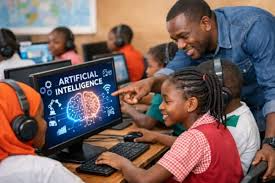
Picture a classroom in rural India where a young girl deciphers her first sentence on a tablet, her eyes lighting up with discovery, or a teacher in Brazil guiding students through AI tools that spark curiosity without ethical pitfalls. Today, May 11, 2026, the World Innovation Summit for Education flung open applications for its 2026-27 prize cycle, committing $1 million to bold solutions that boost global literacy and promote responsible AI use in schools. We see this as a beacon for educators worldwide, inviting innovators to bridge gaps that have long hindered learning for millions.
Understanding the WISE Prize and Its Impact
The WISE Prize stands as a cornerstone in education innovation, awarded annually since 2009 by the Qatar Foundation. Past winners have reshaped schooling from refugee camps to urban slums, reaching over 100 million learners through scalable projects. This cycle sharpens focus on two urgent fronts: literacy, where 773 million adults and children still struggle per UNESCO data, and AI integration, as tools like chatbots flood classrooms yet raise concerns over bias, privacy, and overreliance.
We recall the raw emotion of 2023 winner Pratham Books, whose digital library unlocked stories for nonreaders in 75 languages, igniting imaginations stifled by scarce resources. Applicants now have until October 2026 to submit, with finalists pitching at the WISE Summit in Doha. The $1 million splits across categories, fueling prototypes, pilots, and global rollouts that promise tangible change.
Targeted Challenges: Literacy Solutions That Stick
Literacy forms the bedrock of this prize. Judges seek projects that make reading accessible, engaging, and lifelong. Think adaptive apps that adjust to a child’s pace, using gamified phonics in local dialects, or community hubs blending print books with audio for low-vision learners. In sub-Saharan Africa, where two-thirds of children lack basic reading skills, such innovations could rewrite futures.
We connect with stories from the ground: a Kenyan mother beaming as her son masters words via solar-powered devices, breaking cycles of poverty. Successful entries must demonstrate evidence of impact, scalability, and cost-effectiveness, drawing from rigorous trials that show 20 to 30 percent gains in reading proficiency. Partnerships with governments and NGOs amplify reach, turning pilots into national programs.
Responsible AI in Schools: Navigating the Frontier
AI’s classroom arrival brings excitement and caution. The prize targets solutions ensuring ethical deployment: tools that teach critical thinking about algorithms, detect deepfakes, or personalize lessons without data exploitation. Amid reports of AI cheating scandals in U.S. high schools, these innovations foster digital citizenship from early grades.
Imagine students in Mexico debating AI-generated essays, learning to spot flaws while honing their voices. We applaud frameworks like those from UNESCO’s AI ethics guidelines, which inform prize criteria emphasizing equity, transparency, and teacher empowerment. Projects might include open-source platforms training educators on AI literacy or curricula embedding bias audits, vital as 90 percent of schools worldwide plan AI adoption by 2030.
How to Apply: Steps for Aspiring Innovators
Ready to join? Visit the official WISE Prize portal to start. Eligibility spans individuals, teams, nonprofits, and startups worldwide, with no geographic limits. Submit a detailed proposal outlining problem, solution, impact metrics, and budget needs.
- Gather evidence: Pilot data, user testimonials, scalability plans.
- Align with themes: Pure literacy or AI ethics focus, or integrated approaches.
- Deadline: October 15, 2026; early submissions gain feedback.
- Support: Webinars and mentorship from past winners available.
We encourage first-time applicants from underserved regions, offering fee waivers and translation aid. Review panels, comprising education experts and youth voices, ensure diverse perspectives.
Past Winners Inspire Current Hope
Reflect on luminaries like Camara Education Trust, whose tablet program educated 1.5 million West African kids, or Sugata Mitra’s self-organized learning environments sparking curiosity in slums. These stories fuel our optimism, showing $1 million catalyzes billions in follow-on funding and policy shifts.
Why This Matters: Human Stories Behind the Numbers
Behind statistics pulse lives transformed. In Pakistan’s flood-hit areas, literacy apps restore schooling for displaced children; in Eastern Europe, AI tools aid Ukrainian refugees rebuilding amid war. We feel the teacher’s quiet pride in a student’s breakthrough, the parent’s relief at homework help that respects privacy.
Global enrollment nears universal levels, yet learning poverty persists at 53 percent in low-income countries. This prize counters that, prioritizing solutions for girls, migrants, and disabled learners often overlooked. Economic ripple effects impress too: literate populations drive 2.5 percent higher GDP growth, per World Bank studies.
Global Partnerships and Future Vision
WISE collaborates with heavyweights like the World Bank and Google.org, amplifying prize reach. Finalists access Doha residencies for refinement, plus media spotlights that propel adoption. We envision a 2027 summit unveiling winners whose work integrates literacy with AI, creating hybrid models resilient to tech disruptions.
For funders and policymakers, this signals investment priorities: blend tech with pedagogy, measure joy alongside scores. Detailed application guides live on the WISE Prize website, packed with templates and success stories.
Call to Action: Seize This Opportunity
Innovators, educators, dreamers: this prize awaits your vision. Submit ideas that honor every learner’s potential, weaving literacy with wise AI use. We stand with you, inspired by the possibility of classrooms alive with wonder, where technology serves humanity’s deepest needs. Applications open now; the next education revolution starts with one bold step.