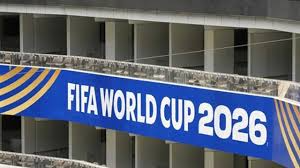
As the 2026 FIFA World Cup began across stadiums in the United States Canada and Mexico on June 15 2026 fans around the world celebrated a tournament expanded in scale and spectacle while voicing growing frustration over dynamic ticket pricing and surging travel costs. For many ordinary supporters the dream of a live match now collides with unpredictable ticket algorithms and airfare spikes that effectively lock average viewers out of stadiums that are meant to be global stages.
What changed in 2026 and why fans feel squeezed
The 2026 tournament is the first World Cup to feature 48 teams up from 32 which created more matches more host cities and a longer overall schedule. That expansion increased demand for seats and travel while concentrating marquee fixtures in large metropolitan venues. Tournament organizers and commercial partners adopted dynamic pricing models for many categories of tickets which adjust prices based on demand timing and inventory levels. When dynamic pricing meets limited flight capacity and shortterm hotel shortages the combined effect is steep and often unpredictable costs for fans trying to attend.
Real people real losses
I spoke with supporters who saved for years only to see the final price of their planned trip rise dramatically as match dates approached. One fan from Lagos described the feeling of holding a confirmed ticket while watching roundtrip fares more than double in just three weeks. A Barcelona based family canceled plans after a second tier ticket class moved out of reach following a surge in demand when their team qualified for the knockout phase. These personal accounts reveal how pricing mechanisms intended to allocate scarce inventory can produce acute disappointment and financial strain for ordinary spectators.
How dynamic ticket pricing works and where it fails fans
Dynamic pricing uses real time data to change ticket prices based on variables such as search activity conversion rates and remaining inventory. That system aims to capture additional revenue when demand is high and to stimulate sales when demand softens. For organizers it raises revenue and, in theory, improves seat allocation efficiency. For fans however it introduces uncertainty and rewards those with flexible budgets or instant access to capital. The result is a stadium crowd that may skew toward affluent travelers rather than the diverse global mix that made past World Cups feel representative.
Secondary markets and speculative behavior
Dynamic pricing overlaps with secondary ticket markets where resellers and speculators amplify price swings. When a high profile match triggers speculative buying early listings disappear and prices rise further. Some fans who did secure tickets through official channels report receiving unsolicited offers from brokers seeking to purchase their allocations at a premium. That climate fosters mistrust and pressures organizers to police resale and enforce identity based ticketing which can solve some problems while creating others for fans who need flexibility.
Travel cost anatomy and regional disparities
Travel to North America from distant regions carries larger logistical costs than past Cups held more centrally in Europe or South America. Visa requirements time zone differences and limited direct flights add weeks of planning and significant expense. For supporters from Africa South Asia and parts of Southeast Asia the aggregate cost of tickets transport and accommodation can eclipse the price of a small car or a year of local income. That disparity raises uncomfortable questions about access equity when a tournament is billed as a global celebration of the game.
Host city pressures on lodging and local services
Host cities see benefits through tourism but also bear strains from sudden demand surges. Temporary price spikes in hotels short term rentals and local transit can make a multiweek stay prohibitively expensive for traveling families. Some municipalities implemented measures such as caps on short term rental rates and reserved blocks of affordable rooms for fans through community partnerships but enforcement proved uneven across cities and nights with the highest demand remained the most costly.
Responses from FIFA and host organizers
FIFA and local organizing committees acknowledged the tensions and emphasized programs aimed at fan inclusion. These include fan festivals free public screenings low cost fan zones and ticketing allocations reserved for local communities and supporter groups. FIFA also pointed to refund guarantees and identity based ticket management as safeguards against scalping. Critics argue these measures are partial and reactive and that system level policies addressing pricing transparency and resale controls are necessary to ensure meaningful access.
Calls for transparency and fixed price allotments
Supporter organizations and some national federations are calling for clearer price ceilings pre release disclosure of pricing algorithms and a guaranteed allocation of fixed price tickets for traveling fans. Advocates suggest a hybrid approach where a portion of tickets uses dynamic pricing to capture revenue while another portion remains fixed priced and distributed through lotteries or supporter trusts to preserve affordability and cultural representation.
Broader implications for the sport and its fanbase
If major tournaments increasingly cater to visitors with deep pockets the character of attendance changes. Stadiums risk losing the raw noise and grassroots passion that arise when local and traveling fans mingle across economic backgrounds. Clubs and national associations worry that a generation of supporters could feel alienated from marquee events which would erode long term engagement and the game s social fabric. The debate extends beyond one tournament to how international sport balances commercial growth with public legitimacy.
Historic parallels and lessons
Sporting events have long wrestled with similar tensions. Major finals and international fixtures historically use differential pricing to manage demand yet the scale of global travel and modern pricing technology amplify those effects. Lessons from past controversies suggest proactive allocation policies community engagement and enforceable resale restrictions reduce harm. They also suggest that organizers must treat fans as stakeholders not merely customers if they hope to preserve goodwill.
What fans can do now
Practical steps can reduce exposure to sudden costs. Fans should plan earlier use airline price alerts and consider nearby alternate airports for cheaper connections. Working with national fan associations often yields group travel blocks or pooled lodging that lower per person expense. For those who cannot attend in person local fan zones public screenings and community gatherings provide meaningful participation without the travel burden. Collective advocacy through supporter groups can also pressure governing bodies for more transparent ticketing rules going forward.
Resources for impacted fans
Fans seeking assistance should contact their national football federations supporter liaison officers and official fan liaison channels established by host cities. Consumer protection agencies in many countries provide guidance on travel cancellations and unfair pricing practices which may help people contest abusive resellers. For background on ticketing rules and event governance consult FIFA s official spectator guidelines and the International Observatory on Sport Policy for analysis of major event management.
Conclusion
The 2026 World Cup showcases global football at unprecedented scale and ambition but also lays bare the tensions that arise when commercial tools like dynamic pricing intersect with a tournament purporting to belong to fans everywhere. Reconciling revenue optimization with equitable access will require clearer policies collaborative planning and recognition that the spirit of the game depends on who gets to be in the stands as much as who wins on the pitch.
FIFA s official tournament information and Transparency International s resources on event governance offer starting points for readers seeking detailed policy and accountability material