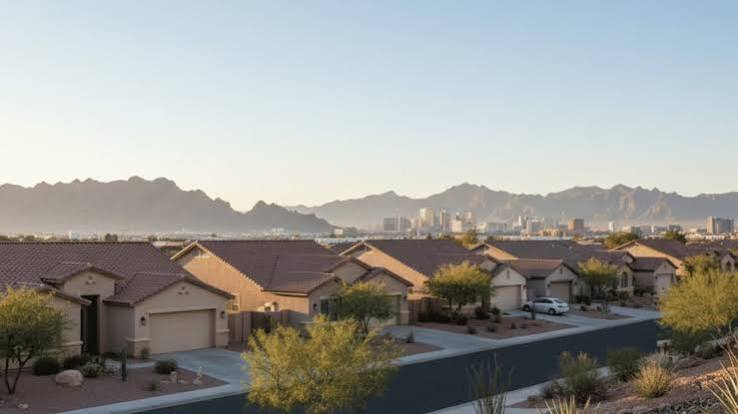
The 2026 housing market is drawing a sharper line between homes buyers can live in now and homes that need work, with turnkey properties commanding an average 3.7% premium while fixer uppers are being discounted more aggressively. Elevated labor costs, expensive materials, and the risk of renovation overruns are changing how families shop for homes, and the result is a market that is rewarding convenience with a clear price premium.
Why buyers are paying more
For many households, the appeal of a move in ready home is no longer just emotional. It is financial. With mortgage rates still elevated and affordability under pressure in much of the country, buyers are increasingly wary of taking on a house that requires a long list of repairs before it feels livable. The logic is simple: when monthly payments are already stretched, the idea of another large bill for roofing, plumbing, flooring, or electrical work can push a purchase out of reach.
That hesitation is showing up in pricing. Industry data indicates that buyers are paying more for homes that require little or no immediate work, while demanding deeper discounts on properties that need substantial renovation. The premium is not only about aesthetics or convenience. It reflects a broader calculation about time, labor, and uncertainty. In a market where remodeling costs remain high, a finished kitchen or updated bathroom can feel like insurance against a painful budget surprise.
The cost of fixing up a house
Fixer uppers used to carry a certain romance. Buyers could imagine sweat equity, custom finishes, and the satisfaction of improving a place over time. That appeal has not disappeared, but it is now competing with hard arithmetic. Contractors remain expensive, labor shortages persist in many regions, and renovation timelines can stretch far longer than homeowners expect. A project that once seemed manageable can quickly become a series of delays, change orders, and rising invoices.
That is why the market is discounting homes that need significant work. The discount is not necessarily a sign that the property lacks value. It is a sign that the market is pricing in uncertainty. Buyers know that a low listing price does not protect them from hidden costs after closing. Once the walls are open, the problems can grow. A small repair can become a major project, and a major project can become a financial drain. In this environment, many buyers would rather pay more upfront and avoid that risk entirely.
What the premium says about the market
The 3.7% premium for move in ready homes is a telling sign of how cautious buyers have become. In a more forgiving housing cycle, buyers might tolerate older systems or unfinished spaces because borrowing costs were lower and renovation budgets were easier to justify. In 2026, the margin for error is much thinner. Families are weighing not only whether they can afford the house, but whether they can absorb the extra cost of making it comfortable and functional.
That shift also reflects a broader market split. Homes that are well maintained, staged neatly, and ready for immediate occupancy can attract competitive offers even when the overall housing market is slower than in prior years. Meanwhile, properties requiring significant work may sit longer or trade below asking price because fewer shoppers are willing to take on the risk. The message from buyers is clear: convenience has value, and in this market that value is measurable.
How affordability is shaping decisions
Affordability remains one of the defining pressures in the 2026 housing landscape. Recent market data has shown that many households are still priced out of the median new home market in large parts of the country, and homebuyer affordability has slipped as prices and borrowing costs remain stubbornly high. That backdrop helps explain why turnkey homes have become even more desirable. When the monthly budget is already stretched, buyers are less willing to take on extra uncertainty after closing.
[nahb](https://www.nahb.org/blog/2026/02/new-data-show-housing-affordability-concerns-across-the-us)
For first time buyers, the calculation can be especially painful. Some may have enough saved for a down payment, but not enough left over for the repairs a fixer upper often requires. Others may be looking at homes with lower asking prices only to discover that renovation estimates erase the apparent savings. In that sense, the move in ready premium is not a luxury tax. It is a reflection of constrained household budgets and a preference for predictability.
What sellers should know
Sellers with updated homes are in a stronger position than they may realize. In a market that rewards immediate usability, visible maintenance and thoughtful upgrades can make a property stand out. Buyers are paying attention to systems, finishes, and the likelihood of near term expenses. A house that feels finished and well cared for can command a better price because it reduces the buyer’s mental load as much as the financial one.
By contrast, owners of homes that need work may need to adjust expectations. A property with dated interiors or deferred maintenance is not doomed, but it will likely need sharper pricing and a more realistic sales strategy. Sellers can still attract interest by being transparent, documenting repairs, and pricing the home in a way that reflects the cost of the work ahead. In today’s market, honesty tends to travel farther than optimism.
Renovation costs change the math
One of the biggest reasons fixer uppers are under pressure is that renovation economics have changed. Materials have become more expensive in many categories, skilled trades remain in high demand, and contractors can choose from multiple projects. That means homeowners are often competing for labor, not just listing inventory. The result is a market where the true cost of a remodel is frequently higher than a home shopper expects at the start.
For buyers trying to compare two properties, the lesson is to look beyond the sticker price. A lower purchase price can be misleading if the home needs a new roof, HVAC replacement, or major cosmetic updates. A more expensive move in ready home can actually be the better value if it avoids months of disruption and tens of thousands of dollars in work. That is the calculation more buyers are making now, and the housing market is adjusting to it.
Regional differences still matter
The premium for turnkey homes will not look identical everywhere. In markets with more inventory, buyers may have greater bargaining power, especially if sellers are eager to move. In tighter markets, updated homes can draw stronger competition because there are fewer comparable choices. That means the size of the premium, and the discount on fixer uppers, will vary by city and neighborhood.
Still, the broader pattern is consistent: buyers are valuing certainty. They want homes that are ready for daily life, not projects that demand an immediate second mortgage in time and labor. That preference is especially visible in places where affordability is already strained and where buyers are nervous about taking on any extra financial shock. The market is rewarding houses that feel like relief, not homework.
What this means for the next year
If current trends continue, move in ready homes may keep their edge through the rest of 2026. The combination of high financing costs and expensive renovation labor leaves little room for buyers to gamble on substantial repairs. Unless construction and labor costs ease meaningfully, the price gap between turnkey homes and homes needing work may stay wide.
For readers trying to navigate the market, useful reference points include the National Association of Realtors for housing market data and the U.S. Department of Housing and Urban Development for housing programs and policy context. These sources help frame the larger picture, but the decision at the individual level remains deeply personal. For many buyers now, the best home is not the one with the most potential. It is the one that lets them walk in, set down their bags, and start living without another expensive project waiting at the door.