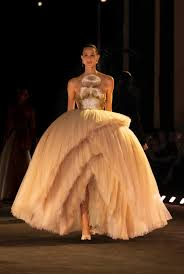
The Fédération de la Haute Couture et de la Mode has released the official schedule for Paris Fashion Week womenswear for spring summer 2027, setting the stage for a season shaped by new creative direction and more sustainable runway formats. The announcement gives buyers, editors, stylists, and fashion fans a first look at how Paris intends to balance spectacle with responsibility in one of the industry’s most closely watched calendars.
A season with a sharper purpose
Paris Fashion Week has always carried a particular kind of electricity. The city’s runways are not only where collections are shown, but where fashion decides what it wants to become next. This season, that conversation appears to be moving in two directions at once: toward fresh design language and toward a more thoughtful way of staging the shows themselves. The official schedule suggests that houses are being asked to do more than produce beautiful clothes. They are being asked to make a case for how fashion should be presented in a changing world.
That shift matters because the womenswear calendar is more than a roster of times and venues. It is the framework that shapes commerce, media attention, and the mood of the entire season. When the Fédération de la Haute Couture et de la Mode publishes the schedule, it effectively sets the rhythm for the industry in Paris and beyond. Every debut, every return, every carefully chosen slot becomes part of a larger narrative about who has momentum and who is trying to redefine it.
[vogue](https://www.vogue.com/article/key-takeaways-from-paris-fashion-week-fall-winter-2026)
What the schedule signals
The most interesting detail in the release is not simply which houses will show, but how the season is being framed. Paris remains the place where fashion often measures itself against its own history, yet the official schedule points toward a more open ended mood. New creative directions are expected to be a defining theme, which means designers may use the season to clarify their identities, reset expectations, or introduce a stronger point of view after a year of constant pressure on the industry.
That pressure is real. Fashion has spent the past few seasons balancing post pandemic business realities, changing consumer habits, and growing demands for transparency. Paris is now being asked to reflect all of that without losing the emotion that makes runway culture matter in the first place. The result is a tension that often produces the most compelling collections: clothes that speak to the present while still offering enough imagination to feel like a future worth waiting for.
Sustainable runway formats
One of the most notable features of the S S 2027 schedule is the continued push toward sustainable runway formats. In practical terms, that can mean smaller scale presentations, more efficient use of production resources, reduced waste in staging, and more considered approaches to travel and set design. For an industry long known for excess, even modest changes in format can carry symbolic weight. They show that glamour and responsibility are no longer mutually exclusive.
This is not just a branding exercise. Runway production consumes material, energy, and labor at a pace that has drawn increasing scrutiny. Fashion houses are being pushed to prove that they can present collections with less waste and more discipline, without stripping away the drama that makes Paris special. That balance is hard to achieve, but the fact that it is now part of the official conversation says a great deal about where the industry is heading.
[vogue](https://www.vogue.com/article/key-takeaways-from-paris-fashion-week-fall-winter-2026)
Why Paris still leads
Paris remains the beating heart of womenswear because it can hold contradiction better than almost any other fashion capital. It is theatrical and rigorous, historic and experimental, commercial and artistic. Designers come to Paris to be judged, but they also come to be remembered. The city rewards ambition, and the schedule is often the first clue about where that ambition will land.
Recent Paris seasons have shown how powerful that can be. Critics and buyers have been watching closely as major houses settle into new creative eras, with collections in Paris often setting the tone for the months ahead. When the schedule lands, it is not just useful logistics. It is a preview of the emotional weather to come, and in fashion, atmosphere is part of the product.
[monocle](https://monocle.com/fashion/best-shows-paris-fashion-week/)
What buyers and editors will watch
For buyers, the schedule offers practical guidance on where to focus attention and when to expect the biggest commercial signals. For editors, it shapes coverage, travel, and the order in which stories begin to form. And for fashion insiders, the timing of a show can be almost as meaningful as the collection itself. A prime slot can signal confidence. A quieter presentation can signal intimacy, experimentation, or a house trying to say something new without shouting.
This season, many will be watching for how designers use the runway to communicate clarity. After several years of noise across fashion, the strongest collections often come from houses that know exactly what they want to say. That may mean sharper tailoring, simpler silhouettes, more disciplined color stories, or a more deliberate relationship between clothing and performance. Whatever form it takes, the most compelling work usually feels intentional from the first look to the final exit.
The commercial stakes
There is always beauty in Paris Fashion Week, but there is also business. The womenswear schedule influences showroom appointments, retail buying, media timing, and the global conversation around luxury fashion. When a house lands the right impression in Paris, it can shape demand for months. When it misses, the impact can linger just as long.
That is why official scheduling is never a neutral act. It frames the competition, sets expectations, and gives the industry a roadmap for the season. With fashion facing increased pressure to demonstrate both creative relevance and environmental responsibility, the S S 2027 calendar arrives at a moment when every decision feels more visible. The houses that succeed will likely be the ones that show discipline without losing personality, and ambition without treating sustainability as an afterthought.
How sustainability changes the mood
Sustainable runway formats may sound technical, but they also change the way a show feels. Smaller venues can make collections more intimate. Reduced staging can put greater attention on fabric, cut, and movement. Less spectacle can create more focus. For audiences who have grown used to oversized productions, that shift may feel refreshing rather than limiting. It can bring the viewer closer to the clothes, which is where the real work of fashion happens.
There is an emotional dimension to this as well. Many people still associate Paris Fashion Week with grand entrances, crowded front rows, and dramatic reveals. A more sustainable format asks the industry to rethink what makes a show memorable. It suggests that a collection can stay with us not because it was the loudest event of the week, but because it was thoughtful, precise, and visually resonant. That is a meaningful change in a culture that has often equated more with better.
What comes next
The official schedule now gives the industry a framework, but the real story will unfold when the first models step onto the runway. Between now and then, speculation will build around new creative directions, house debuts, and the ways designers choose to interpret the season’s mood. That is part of the magic of Paris. A schedule is just a map until the lights go up, the music starts, and the clothes begin to speak for themselves.
Readers following the broader fashion calendar can keep track of the city’s official framework through the Fédération de la Haute Couture et de la Mode and related Paris Fashion Week resources such as FHCM and the Paris Fashion Week listings. Those sources will help orient the season as it develops, but the real judgment will come on the runway itself. For now, the message from Paris is clear: spring summer 2027 will not be about choosing between beauty and responsibility. It will be about showing how the two can coexist under the same bright lights.