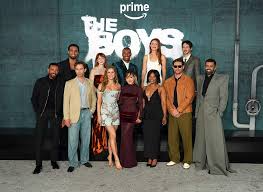
The final episode of The Boys dropped globally on May 23 2026 and sent a shockwave through streaming platforms and social feeds. Viewers poured onto forums and comment threads within minutes, while official streaming metrics showed record engagement. I write this as both a fan and an observer, aware that a series finale can be both a cultural event and a flashpoint for deep disagreements about storytelling responsibility and the ethics of violent spectacle.
Immediate reaction and viewing numbers
Within hours of release the finale registered among the highest single day streams for a scripted series this year. Social listening firms reported millions of mentions across platforms as clips and memes spread. Streaming charts displayed sharp spikes in concurrent viewers and completion rates that suggested audiences watched to the end at unusually high rates.
That raw attention came paired with intense division. Some praised the finale for its audacity and refusal to soften the franchise moral calculus. Others found the ending gratuitously brutal and emotionally unsatisfying. The scale and speed of the reaction underscored how modern finales can operate as collective rituals where audiences negotiate closure together in public.
What the finale delivered narratively
The episode pushed the storylines to a point of irreversible consequence for several core characters. Long running arcs about power corruption corporate complicity and the cost of vigilantism reached a climax that privileged consequence over catharsis. Visuals were glossy and staged with a cinematic intensity that contrasted with several scenes of intimate cruelty. The tonal mixture produced a feeling of breathless exhaustion for some viewers and a sense of earned darkness for others.
From a craft perspective the finale used parallel editing and abrupt tonal shifts to amplify moral ambiguity. The score and production design emphasized contrast between public spectacle and private devastation which left many viewers unsettled in a way that will likely linger in cultural conversation.
Why audiences are split
There are several reasons for the polarized response. Long time fans had expectations shaped by previous seasons that mixed satirical bite with visceral violence. Some viewers wanted a clearer moral reckoning or a restorative payoff for sympathetic characters. Others appreciated the refusal to tidy complex themes into a neat resolution.
Emotional investment matters as well. When serialized television spends years building relationships between viewers and characters a finale that subverts familiar comfort points can feel like a betrayal to some and a necessary challenge to others. The result is a public argument about what a satisfying ending should do for narrative justice moral clarity and audience empathy.
Cultural and ethical debates
The finale reopened broader debates about representation of violence on screen and the responsibility of creators. Critics asked whether the series crossed a line between critique and spectacle when depicting suffering. Supporters countered that The Boys functions as a mirror held up to celebrity culture and corporate malfeasance and that sanitizing its ending would undermine that critique.
Those conversations are not new but the finale intensified them because of the show wide reach. Policy makers and advocacy groups that monitor media effects weighed in with concerns about copycat risk desensitization and the potential emotional impact on younger viewers. Streaming platforms face renewed pressure to balance creative freedom with age appropriate content controls and clearer parental guidance.
Industry implications for streaming and fandom
From a business perspective the finale demonstrated the continued power of event programming to drive subscriptions engagement and social buzz. Platforms that hosted the show saw measurable boosts in viewing hours and retention signals tied to binge sessions. Yet the backlash also showed the fragility of goodwill when a franchise finale alienates a significant portion of its audience.
Fandom practices evolved into rapid response cultures where online communities produce fan edits counter narratives and redemption arcs through fan fiction. Those activities can extend a property life cycle but also create contested memory spaces where multiple endings coexist in the fan imagination.
Voices from the fanbase and the set
I spoke with a circle of fans in different time zones who watched simultaneously to recreate a communal viewing experience. One commented on the sensory dissonance of the episode noting how the lush cinematography made moments of violence feel eerier and more intimate. A former assistant on the show said the creative team intended the finale to be an uncomfortable mirror rather than a comfort, and that they anticipated strong debate.
Actors and creators began to engage directly on social platforms addressing criticisms while defending narrative choices. Those exchanges were sometimes conciliatory and other times combative which fed both the conversation and the controversy.
How critics and reviewers are responding
Early reviews were split. Some outlets lauded the finale for ambitious storytelling and thematic coherence with the series earlier satire. Other reviewers argued that the conclusion relied too heavily on shock and sacrificed emotional clarity for thematic provocation. Several think pieces reframed the finale as a cultural test case about whether contemporary prestige television must provide moral reassurance at the end of a story.
Meta commentary has also emerged about streaming culture itself. Critics examined how the economics of serialized content and the demand for social media friendly moments might shape narrative decisions in ways that privilege instant virality over long term audience trust.
What the finale means for future adaptations and spin offs
Executives are now gauging whether the polarized finish will help or hinder the wider franchise. Spin off projects and international adaptations that were in development may be reassessed to align with audience sentiment and brand safety considerations. There is a renewed premium on writers rooms that can balance provocation with emotional payoff and on content warning systems that prepare viewers without spoiling narrative surprises.
At the same time the finale confirmed that bold creative choices continue to command attention and conversation in a crowded market which is exactly what studios hope for when courting cultural relevance.
A concluding reflection on endings and public conversation
Endings are inherently risky. They ask audiences to accept final judgments about people and ideas they have followed closely. The Boys final episode did not strive for consensus. Instead it forced a public negotiation about narrative ethics creative responsibility and audience expectation that will play out across reviews think pieces fan communities and boardrooms.
If you are watching and feeling unsettled consider seeking discussions that unpack both the technical craft and the emotional stakes. For factual background about the show production and broadcast figures see reporting by major industry trackers and for media effects research consult peer reviewed studies on violence portrayal which provide context for ongoing public concerns.
Nielsen streaming metrics and Pew Research Center analysis offer data and studies that can help place the finale impact within broader trends about media consumption and public response.