On June 5, 2026 Summer Game Fest returned to Los Angeles with a live stage show that pulsed like a stadium heartbeat and streamed to millions of viewers worldwide. Developers, publishers and creators delivered a cascade of world premiere trailers gameplay reveals and surprise announcements headlined by Star Wars Zero Company and Marathon Season 2. The event felt equal parts festival and industry reckoning as fans cheered, chat rooms sprinted, and the shape of this year s gaming calendar snapped into focus.
The opening: atmosphere and stakes
Walking into the theatre was sensory overload. Lights skimmed the ceiling like search beams while the scent of popcorn and the low murmur of expectant voices threaded the air. For many watching at home the experience was a ritual of ritual: browser windows stacked with reaction streams, friends afire in voice channels, and social feeds that fed the moment back in a thousand GIFs. Summer Game Fest has become a bellwether event. Titles unveiled here set tempo for studio release plans, influencer coverage and the media cycle that follows.
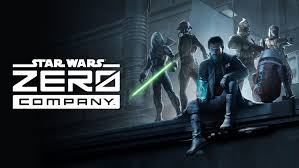
Star Wars Zero Company commands the stage
The biggest reaction came when the Star Wars trailer unspooled. Zero Company landed with cinematic scope and tactical promise, cutting between rain slicked alleys of an urban planet and close quarters starship combat. Developers emphasised a focus on squad level storytelling, adaptive mission systems and a live service architecture that aims to support emergent player narratives across seasons. For longtime Star Wars gamers the aesthetic mix of grime and grandeur felt familiar yet refreshed, and the multiplayer hooks signalled an intent to sustain a long term player base.
Mechanically the trailer hinted at nuanced progression and a bespoke loot economy tied to reputation with multiple factions. The dev team pledged post launch support and cross platform progression, which will matter to players who migrate between console, PC and streaming endpoints. Whatever the final balance of narrative content and live service mechanics the reveal reaffirmed major publishers commitment to blockbuster shared universes.
Marathon Season 2 revives a cult classic
Also announced was Marathon Season 2, a sequel that leaned into the series signature blend of tense combat and enigmatic storytelling. The new footage foregrounded faster pacing and environmental puzzles that reward attention to level design. Fans of the original cheered the return to a moody, atmospheric sci fi and developers promised expanded mod tools and community content channels designed to keep player creativity in the foreground.
Marathon s revival speaks to a broader trend: publishers are mining established intellectual property while simultaneously empowering communities to extend game lifespans. Season 2 will include episodic content drops and a roadmap that maps community challenges to new narrative beats, effectively making players coauthors of the unfolding story.
Indie showcases and surprise drops
Summer Game Fest kept the crowd engaged between tentpole reveals with a curated slate of indie showcases. Small teams presented intimate experimental projects that contrasted with the blockbuster spectacle. One standout offered a tactile puzzle adventure that used light and shadow as core mechanics; another delivered a compact narrative about family and time that landed like a quiet short film.
Surprise announcements included a remastered cult favourite and a sudden free weekend for an online brawler that sent server queues surging. These moments underscore an event design strategy that balances spectacle with discovery, giving smaller teams space to reach global audiences while fueling sustained buzz across platforms.
Technical reveals and platform strategy
Beyond games the show revealed technical initiatives. Several publishers announced expanded support for cloud based streaming and cross play features that reduce friction between ecosystems. Tooling updates for creators included improved mod pipelines, sharing systems and native support for real time performance capture to lower barriers for narrative production. Platform holders used the stage to reiterate commitments to accessibility gains such as more granular control schemes, robust captioning and adaptive difficulty presets.
These technical threads highlight industry priorities: reduce platform gatekeeping, broaden audience access and foster creator ecosystems that increase player engagement over longer cycles.
Player reaction and community pulse
Reaction on social networks was immediate and volatile. Clips of key moments accrued millions of views within hours. Streamers and content creators provided near instantaneous analysis, breaking down gameplay reveals and speculating about monetization systems and endgame design. Community discourse also raised pointed questions about live service balance, potential pay models and the durability of single player storytelling in an era where seasons and updates drive retention metrics.
Fan communities played a central role in amplifying voice and critique. Discord channels and subreddit threads pooled footage, translated developer statements and coordinated viewing parties, turning passive spectators into active participants. That dynamic mattered; publishers now gauge launch readiness not only on internal QA but on how quickly influencers and communities can make or break a narrative thread.
Industry and business signals
Summer Game Fest served as a financial and strategic signal to investors and partners. Trailers and technical roadmaps were as much shareholder communications as entertainment. Publishers used the stage to outline release windows that will shape fourth quarter retail and subscription revenues. For developers the festival functioned as a marketplace: talent scouting, partner talks and licensing deals transpired in green rooms and backstage chats as much as on stage.
Analysts will watch pre order data, early access sign ups and platform subscription movements in the days after the show to gauge how effectively Summer Game Fest converted spectacle into transactional momentum.
Accessibility, diversity and future directions
One persistent theme was accessibility. Several teams doubled down on inclusive design choices and community moderation tools meant to address toxicity on live services. Diversity on stage improved from previous years yet advocates argue progress is uneven, especially in leadership representation. Industry leaders acknowledged the gap and pledged investments in pipeline programmes and mentorship tracks aimed at lifting underrepresented creators into production roles.
Looking forward festival organisers and studios are experimenting with hybrid live and virtual activation models that replicate in person energy while extending reach to international fans. Expect more interactive viewing layers, synchronized global events and community driven content drops that tie streaming engagement to operational roadmaps.
Where to watch and further information
Official streams and archived presentations are available on the Summer Game Fest website and major streaming platforms that hosted the broadcast. Industry trade publications and analyst outlets will publish deeper breakdowns of gameplay mechanics and monetization models over the coming days. For players seeking details about release windows and platform availability consult publisher sites and storefront pages for up to date timelines.
Would you like a compact guide that lists release dates, platforms and recommended preview streams so you can plan which titles to follow closely this summer