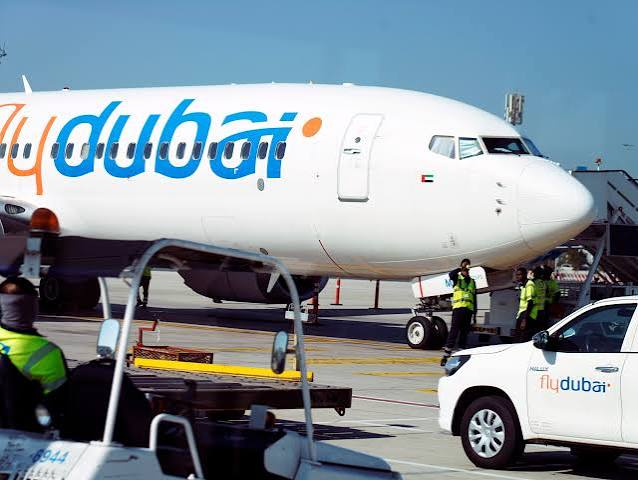
The travel habits of younger Asian travelers are shifting quickly. A new Agoda Travel Outlook released on July 27, 2026 reports that 73 percent of Gen Z travelers across Asia now plan several shorter, experience-led trips each year rather than a single long vacation. That preference is already prompting airlines, banks, and loyalty program managers to rethink rewards and benefits to fit a generation that values curated moments and flexible travel over traditional accumulation of points for infrequent long-haul journeys.
From long itineraries to bite sized adventures
The Agoda study captures a distinct move away from the multiweek, once-a-year holiday model toward more frequent escapes that are smaller in scale but richer in experience. Respondents describe trips built around a single interest such as food, music festivals, local wellness programs, or outdoor microadventures. Rather than measuring value by nights accumulated, Gen Z travelers are judging trips by a single vivid meal, a guided hike at dawn, or a two day workshop with a local artisan.
What this looks like on the ground
Imagine a young traveler in Bangkok who takes three separate trips in a year. One weekend is a train ride to a coastal town for a surf clinic, another is a two night stay in a mountain village for a pottery course and sunrise trek, and a third is a city break focused on discovering independent music venues and street food alleys. Each trip costs less and requires less planning but delivers high emotional return and shareable moments for social channels.
How airlines and banks are responding
Industry players are already adjusting reward mechanics to stay relevant. Several carriers and financial institutions in the region are experimenting with modular reward architectures that recognize frequency and micro experiences. Examples include:
- Smaller, instant redemption options such as single flight upgrades, lounge access for a one day trip, or partner vouchers for local experiences.
- Subscription style travel passes that reduce friction for frequent short trips while offering curated benefits with local partners.
- Tier acceleration tied to trip frequency rather than total miles or spend, rewarding travelers who take many regional flights.
These changes aim to reflect how value is now perceived by younger travelers. Loyalty programs that remain rigid and based on traditional long haul metrics risk becoming irrelevant to the audience that will shape travel demand for the next decade.
Economic and operational ripple effects
Shorter, experience-led travel patterns affect more than loyalty program design. Airlines may need to rebalance schedules toward more regional frequencies, hotels and alternative stays will compete to offer micro experiences, and local tourism operators have an opportunity to package short immersive activities that fit a two to three night stay. The cumulative effect could be a diversification of demand across secondary destinations and a reduction of pressure on major hubs during peak weeks.
Opportunities for local businesses
Local restaurants, guides, and cultural venues can benefit if they adapt offerings to shorter visit windows. Quick immersive options such as themed dinners, evening masterclasses, and half day tours that finish in time for a late flight are likely to perform well. For small businesses, partnerships with booking platforms that provide instant redemption or promotional vouchers will help capture the disposable income of Gen Z travelers who make decisions rapidly and value convenience.
Wider cultural drivers behind the trend
Several social and economic forces help explain why Gen Z prefers frequent experience-first trips. Shorter, flexible travel fits irregular work patterns, side hustles, and gig economy rhythms. Social media dynamics increase appetite for unique, shareable moments rather than long narratives. Environmental awareness also plays a role for some travelers who prefer short regional trips with lower carbon footprints compared with long distance flights.
Financial trade offs and priorities
Gen Z travelers often prioritize spending on moments that generate personal stories and social currency. That does not mean they spend less overall. Rather they spread budget across multiple trips, favoring direct investment in the activity itself over luxury accommodations. This shift forces financial institutions to think beyond cashback and miles toward experience credits, partner discounts, and micro financing for curated itineraries.
What travel brands should do next
Brands that want to remain competitive should act on three practical fronts. First, redesign loyalty products to reward frequency with frictionless, low value redemptions such as single activity vouchers or partner offers. Second, optimize inventory and pricing for short stays so hotels and transport providers can capture weekend and midweek demand. Third, invest in local partnerships to offer compelling micro experiences that are easy to discover and book through mobile apps.
Example tactical moves
- Create mobile friendly bundles that include a one night stay, an evening experience, and a late checkout option friendly to short itineraries.
- Offer tier fast track through frequency thresholds such as three trips in six months rather than a high spend requirement.
- Partner with local experience platforms to enable immediate redemption of loyalty credits for classes, tours, or dining vouchers.
Risks and things to watch
The trend brings risks that require careful management. Shorter stays create higher churn for operations teams which raises customer service complexity and housekeeping demands. There is a danger that commodified micro experiences could dilute authenticity if scaled poorly. Finally, shifting revenue from long stays to frequent short visits could compress margins for some accommodation providers unless pricing and distribution are adapted wisely.
Looking ahead
Gen Z travelers are not rejecting travel as much as they are redefining it. The data from Agoda suggests this is a durable behavioral shift driven by economics, technology, and cultural preference. Travel providers that approach the change with empathy and practical adjustments will build loyalty with a generation that values meaningful moments, flexibility, and local connection.
For businesses seeking research context and global travel trends readers may consult the World Tourism Organization for macro level tourism reports and Agoda for their regional outlook and methodology details.