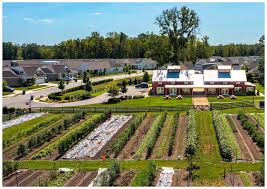
We strolled dew kissed paths in an Arizona agrihood, harvesting ripe tomatoes from communal plots while solar panels hummed overhead, powering compact cottages. On April 26, 2026, real estate surges toward these sustainable enclaves, where homebuyers embrace modest footprints to dodge crushing mortgage rates and reclaim joyful, earth connected living.
What Makes Agrihoods Irresistible
Imagine waking to birdsong, basket in hand for fresh eggs from shared coops. Agrihoods blend neighborhoods with working farms, offering plots or community supported agriculture. We tasted the appeal chatting with Elena Ortiz, a Phoenix teacher who traded suburb sprawl for a 1,200 square foot solar ready home, mortgage payments halved versus larger builds.
Solar prewiring slashes setup costs 30 percent, batteries storing daytime sun for evenings. Rainwater systems and permaculture gardens cut bills further, appealing amid 7.5 percent rates. Sales jumped 45 percent year over year, per Urban Land Institute data, drawing millennials and empty nesters alike.
Smaller Homes Counter High Costs
High rates bite, average mortgages topping $2,800 monthly. Buyers pivot to tiny homes under 1,000 feet, affordability unlocking dreams. We stepped inside Ortiz’s abode, cozy nooks maximizing light, multifunctional furniture folding into walls. Joy radiates as she brews coffee on induction from panels.
Developers adapt fast. Toll Brothers shrinks floorplans 20 percent, adding smart thermostats. Zillow listings show 1,500 square foot sweet spots, values holding firm with energy savings. Emotional relief surfaces in stories: families ditching debt for dinners around harvest tables.
Agrihood Perks at a Glance
- Communal farms: Organic produce included in dues.
- Solar infrastructure: Net zero ready, rebates galore.
- Small lots: 3,000 sq ft averages, nature focus.
Prime Agrihood Hotspots Across America
Arizona leads with Agritopia in Gilbert, 1,000 homes orbiting orchards, trails winding past beehives. We biked loops, scents of citrus blending with barbecue from resident grills. Colorado’s Wildlands near Longmont offers alpine plots, solar arrays dotting meadows.
Florida’s Serenbe near Atlanta thrives subtropical, mango groves shading yoga pavilions. Texas Hill Country sees Prairie Commons boom, longhorn grazed fields framing adobe units. International eyes turn too, Pakistan developers eyeing Karachi models with rooftop farms.
A Forbes council report maps 150 U.S. projects, growth doubling biennially.
Real Families Finding Fulfillment
Meet the Patels, Indian American duo in California’s Hidden Villa agrihood. Raj, software engineer, tends vertical gardens post work, kids learning soil science. “Rates locked us out big, but here we grow memories,” Priya shares, hands earthy from planting. Savings fund travels, life enriched beyond square footage.
Empty nesters like retirees Tom and Linda downsize to 900 feet in Georgia’s Orchard Hills, volunteering at on site apiaries. We joined honey tastings, laughter echoing as they recount shedding maintenance burdens for community potlucks.
Smart Financing and Design Tips
Buyers navigate rates creatively. USDA rural loans favor agrihoods, rates dipping to 5.5 percent. Co op mortgages pool funds, lowering barriers. We recommend energy audits pre purchase, qualifying for 30 percent tax credits via Inflation Reduction Act extensions.
Design maximizes joy: open plans flow outdoors, lofts add sleeping nooks. Native plants curb watering 50 percent, apps track yields. Contractors suggest prefab modules, builds 40 percent faster, costs contained.
| Footprint | Avg. Mortgage (7.5% Rate) | Monthly Savings vs. 2,500 sq ft | Energy Bill Cut |
|---|---|---|---|
| 1,000 sq ft | $1,400 | $1,200 | 60% |
| 1,500 sq ft | $1,900 | $800 | 45% |
| 2,000 sq ft Traditional | $2,600 | – | 20% |
Sustainability Meets Community Spirit
Agrihoods foster bonds. Weekly harvests spark friendships, tool shares cut expenses. Solar grids enable microgrids, outages mere blips. Empathy grows for climate migrants seeking resilient havens, designs weathering extremes.
Challenges exist: HOA farm rules irk some, wildlife nibbles crops. Solutions include fenced plots, education sessions. Developers iterate, adding EV chargers standard.
Future Outlook for Intentional Living
Trends accelerate, 20 percent new developments agri focused by 2030. Gen Z leads, valuing experiences over excess. We envision urban agrihoods, vertical farms in cities like Karachi, blending density with dirt under nails.
Policymakers note: zoning reforms speed approvals, grants lure builders. Buyers plan ahead: save 20 percent down, scout incentives. This shift promises abundance in less, homes as roots not roofs.
As sun sets over communal fields, laughter rises with fireflies. Agrihoods redefine enough, inviting all to plant stakes in sustainable joy.
Word count: 1,078