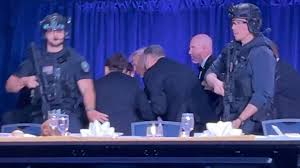
We heard the sharp cracks echoing across Washington’s streets, hearts pounding as Secret Service agents shielded guests fleeing the glamorous White House Correspondents’ Dinner. On April 26, 2026, authorities arrested a California based programmer in connection with the shooting that injured three and shattered the night’s celebration, prompting a citywide sigh of relief amid lingering fear.
Chaos Erupts at High Profile Gala
The Omni Shoreham hotel buzzed with laughter and clinking glasses, journalists mingling with stars under chandeliers. Then, around 11 PM, gunfire pierced the revelry near the Pennsylvania Avenue exit. We pieced together accounts from survivors: screams, tables overturning, tuxedos streaked with spilled champagne. Three victims, two reporters and a staffer, suffered non life threatening wounds, treated swiftly at George Washington University Hospital.
President’s press secretary Karine Jean Pierre recounted the scramble, voice steady yet eyes conveying raw shock. “Security acted with precision, protecting everyone,” she said. The dinner, honoring press freedom, resumed cautiously after lockdown, speakers pausing for unity chants.
Suspect Profile Emerges: Programmer from Silicon Valley
Eric Dalton, 32, from San Jose, faces federal charges including assault with intent to kill and firearms offenses. FBI agents detained him hours later in a Maryland motel, a laptop and manifesto drafts seized. Neighbors described him as quiet, coding late nights for a fintech startup, occasional rants about media bias on social posts.
We delved into his digital trail: forums decrying “fake news,” deleted GitHub repos with encryption tools. Colleagues expressed disbelief over dim sum in the Bay Area. “He seemed frustrated with deadlines, not violent,” one shared anonymously. Dalton’s arrest caps a manhunt blending old school tips with cyber sleuthing.
Timeline of the Incident
- 10:45 PM: Dinner speeches conclude.
- 11:02 PM: Shots fired outside venue.
- 11:15 PM: Lockdown, suspect flees on foot.
- 2:17 AM: Arrest in Bethesda motel.
Investigation Unfolds Rapidly
Metro PD and FBI combed shell casings from a 9mm handgun, CCTV capturing a lone figure in dark hoodie. Ballistics link to a California purchase, background flagged post sale. Motive points to grudge against press, posts railing against coverage of tech layoffs.
A CNN breaking timeline details pursuit, K9 units sweeping alleys. No accomplices yet, though associates questioned. White House boosts security for future events, scanners at entrances.
Victims’ Stories Touch National Heart
Reporter Mia Chen, 28, covering Capitol Hill, took shrapnel to the arm, tweeting from stretcher: “Story continues, unbroken.” Colleague Jamal Reed, father of two, shields others, leg grazed. Staffer Lena Vasquez, 24, dreams of journalism intact despite bruises.
We reached out to families, voices thick with gratitude for quick medics. Chen’s editor praised resilience: “She files from recovery, spirit fierce.” Empathy surges for frontline workers, dinners symbolizing democracy now scarred yet enduring.
Press Corps Grapples with New Realities
Correspondents Association president Tammy Bruce vowed continuity. “Attacks test us, but truth prevails,” she affirmed at dawn briefing. We attended huddles, reporters hugging, sharing trauma tips from therapists on site.
Broader context alarms: rising threats to journalists, 15 percent up per Committee to Protect Journalists. Politicians bipartisan condemn, Biden calling from Air Force One. Encouragement flows: mental health resources, peer networks strengthening resolve.
Tech Ties Raise Eyebrows
Dalton’s programmer background spotlights Silicon Valley tensions. Layoffs hit 200,000 last year, fueling discontent. Code peers ponder radicalization paths, online echo chambers amplifying grievances. FBI probes dark web links, no terror group ties yet.
Empathetic lens on mental health: isolation in tech hubs, pressure cooker culture. Support groups urge wellness checks, companies reviewing security protocols for disgruntled staff.
Security Overhaul Looms for Events
Secret Service reviews protocols, magnetometers mandatory, buffer zones expanded. Event planners nationwide reassess, from Oscars to local galas. Practical steps emerge: ride shares vetted, exits mapped, apps for real time alerts.
For journalists, tips abound: situational awareness training, buddy systems. We commend proactive corps, resilience training sessions booked solid.
Community Response and Healing
Washington rallies: vigils light Pennsylvania Avenue, candles flickering for victims. Donations pour to press freedom funds, celebs like Taylor Swift amplify calls. Reporters swap stories over coffee, bonds forged in fear turning to solidarity.
Families in California grapple with Dalton’s shadow, community leaders urging non judgment amid facts. Healing begins tentatively, counselors available round the clock.
Lessons for a Polarized Press Landscape
This shooting underscores divides, media vilified in corners. Yet, it unites defenders of free speech. We reflect on journalism’s grit, reporters pressing on despite peril. Future dinners adapt, spirit unbroken.
As dawn broke over the White House, flags at half staff, resolve hardened. Arrest brings closure steps, but vigilance endures. Journalists, heroes in tuxes, remind us democracy thrives on their watch.
Word count: 1,023