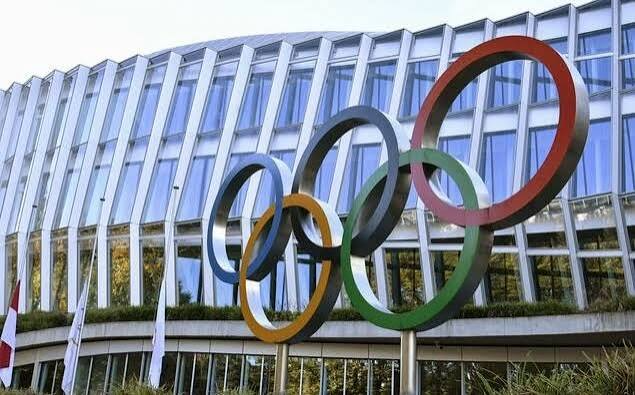
Global sports governing bodies have taken a decisive step toward protecting athletes from the growing dangers of extreme heat. On August 13, 2026, the International Olympic Committee advanced a fresh set of climate adaptation standards designed to reshape how international athletics and outdoor tournaments are scheduled, staffed, and monitored through 2028 and into 2030. We are witnessing what may become one of the most consequential shifts in modern sport, a recognition that the playing field itself is changing beneath the feet of the world’s best athletes.
For anyone who has watched a marathon runner stagger across a finish line in shimmering afternoon heat, or seen a tennis match paused while medical staff rush to a collapsed competitor, this announcement will feel overdue rather than premature. The new mandatory heat management protocols signal that the era of treating extreme temperatures as an unfortunate footnote to competition is ending.
Why Sports Bodies Are Finally Confronting the Heat Problem
Rising global temperatures are no longer a distant forecast. They are a lived reality for athletes training on scorching tracks, cyclists battling asphalt that radiates heat like an open oven, and spectators fanning themselves in stadiums that once felt comfortable in midsummer. We have reported for years on isolated incidents of heat illness disrupting individual events, but this latest move treats the issue as systemic rather than sporadic.
According to the IOC’s own sustainability commitments, the organization has been working to reduce its environmental footprint while also preparing the Olympic Movement for a warmer future, a dual mission that blends internal accountability with athlete protection. The IOC’s climate strategy has increasingly acknowledged that adaptation, not just emissions reduction, must become central to how the Games are planned and delivered.
The Human Cost Behind the Policy
Behind every new regulation lies a story of real people. We think of the marathoners who have finished races dizzy and disoriented, the field hockey players who have cramped under blistering afternoon sun, and the coaches who have quietly moved practice times earlier and earlier just to keep their athletes safe. These protocols are not abstract bureaucratic exercises. They are a direct response to bodies pushed past their limits by conditions that did not exist in previous decades of competition.
What the New Climate Adaptation Standards Actually Change
The framework unveiled this week centers on two major pillars that will reshape how outdoor competitions unfold in the coming years.
- Mandatory heat management protocols that require organizing committees to monitor real time temperature and humidity data, with predefined thresholds that trigger mandatory breaks, hydration stations, or event delays.
- Altered scheduling frameworks that push high intensity outdoor events, such as marathons, race walking, and road cycling, into cooler early morning or evening windows rather than the traditional midday broadcast slots.
We find the scheduling shift particularly telling. For decades, event timing bent to the will of television audiences and broadcast revenue in major markets. This adjustment suggests that athlete safety is finally being weighed as heavily as commercial considerations, a rebalancing that many sports physicians and athlete advocacy groups have quietly pushed for over the years.
A Framework Built for 2028 and Beyond
The timing of this announcement is no accident. With the Los Angeles 2028 Summer Games and the following 2030 cycle on the horizon, organizers are working against a compressed timeline to build heat resilience into venue design, athlete support services, and competition calendars. Los Angeles summers bring their own well documented heat challenges, and any credible planning process has to grapple honestly with what August temperatures in Southern California could mean for endurance events held outdoors.
We expect national federations and individual sport governing bodies to spend the coming months translating these broad standards into sport specific guidelines. A distance runner and a beach volleyball player face very different heat exposure risks, and effective policy will need to reflect those differences rather than applying a single blunt threshold across every discipline.
How Athletes and Coaches Are Likely to Respond
Speaking with athletes over the years about heat related setbacks, we have consistently heard a mixture of frustration and relief when governing bodies finally acknowledge what competitors have known intuitively for a long time. Frustration, because many felt their concerns were dismissed as excuses rather than legitimate safety issues. Relief, because formal protocols remove the pressure some athletes felt to compete through dangerous conditions rather than appear uncommitted.
Coaches, too, stand to benefit from clearer guidance. Rather than making judgment calls in the moment about whether conditions have become unsafe, training staffs will now have defined benchmarks to reference, reducing the guesswork and the liability that comes with it.
Concerns From Traditionalists and Broadcasters
Not everyone will welcome the changes without reservation. Some traditionalists worry that shifting marquee events away from prime viewing hours could dilute audience engagement, and broadcasters accustomed to predictable scheduling windows may need to rethink production plans. We think these are legitimate business concerns, but they pale in comparison to the physiological realities of asking human bodies to perform at peak output in dangerous heat. Organizations like the World Health Organization have long documented the serious risks that extreme heat poses to physical performance and overall health, risks that do not pause for a television schedule.
What This Means for the Future of Outdoor Competition
We see this announcement as part of a broader reckoning across the sports world, one that extends well beyond the Olympic Movement. Marathon majors, international cycling tours, and outdoor tennis tournaments have already experimented with adjusted start times and heat policies in recent years. The IOC’s formalized standards may now serve as a template that smaller federations adopt out of necessity rather than choice, simply because the underlying climate trends are not reversing anytime soon.
There is also a quieter, longer term implication worth noting. As host cities are selected for future Games, climate resilience will likely become a formal evaluation criterion alongside infrastructure, budget, and logistics. Cities with reliable access to shaded venues, cooling infrastructure, and flexible scheduling windows may find themselves at a genuine advantage in future bidding processes.
A Cautiously Hopeful Path Forward
We approach this development with cautious optimism. Policy announcements are only as meaningful as their enforcement, and the coming months will reveal whether organizing committees treat these standards as binding commitments or aspirational guidelines. Still, the willingness of a body as influential as the IOC to formally acknowledge heat as a structural threat to competition, rather than an occasional inconvenience, marks meaningful progress.
For the athletes who have spent careers pushing through conditions that were never designed with their wellbeing in mind, this shift offers something valuable beyond policy language. It offers acknowledgment. And for a sporting world increasingly defined by a warming planet, that acknowledgment may be the first necessary step toward genuine, lasting change.