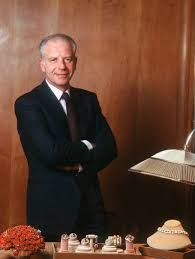
Paolo Bulgari, the Italian jeweler and longtime chairman who helped turn his family’s historic Roman jewelry business into one of the world’s most recognized luxury houses, has died at the age of 89. His death was announced by his family on Saturday, November 21, 2026, and confirmed by Bvlgari. Remembered for his exceptional knowledge of precious stones, creative instincts and commitment to the company’s Italian identity, Bulgari leaves behind a legacy that reaches far beyond the glittering showcases of luxury jewelry. His funeral is scheduled for Monday, November 23, at the Basilica of Santa Croce in Gerusalemme in Rome.
A family announcement marks the end of an era
Bulgari’s death has prompted tributes from the luxury industry and from people connected to the Roman jewelry house. The company described him as a creative figure who devoted himself to his work and helped nurture the next generation of designers. His family also remembered his humanity and his contribution to Italian business and culture.
The cause of death was not disclosed in the announcement. Italian news agency ANSA reported that the funeral would take place at 11 a.m. on Monday at the Basilica of Santa Croce in Gerusalemme, a historic church in Rome.
For Bvlgari, the loss is deeply personal as well as professional. The company is now part of the French luxury group LVMH, but its identity remains closely tied to the family that established it and to the city where its story began. Paolo Bulgari was one of the central figures in carrying that heritage into the modern luxury market.
From a Roman family business to an international jewelry name
Born in Rome in 1937, Paolo Bulgari was the grandson of Sotirio Bulgari, the Greek silversmith who founded the business in Italy in the late nineteenth century. Sotirio, whose original surname was Voulgaris, settled in Rome and established a jewelry enterprise that would eventually become an internationally recognized luxury brand.
The company’s early identity was shaped by the founder’s craftsmanship and the city’s artistic heritage. Rome offered a rich visual language: ancient architecture, classical sculpture, intricate stonework and a long tradition of decorative arts. These influences would remain important as the business grew and developed a distinctive style.
Paolo joined the family company in 1960, working alongside his father. He concentrated on precious stones and developed a reputation for deep technical knowledge in the field. The ability to recognize the character, quality and visual potential of gemstones became an important part of his contribution to the brand.
His expertise was not limited to identifying valuable stones. Bvlgari credited him with helping refine the aesthetic judgment behind its jewelry collections. That combination of technical understanding and creative instinct helped define a style that stood apart from the restrained designs associated with some traditional European jewelry houses.
The creative vision behind the Bvlgari style
Bvlgari became known for bold combinations of colored gemstones, rich yellow gold and striking proportions. Rather than relying exclusively on delicate settings or conventional arrangements, the house developed jewelry that often used vivid color and confident design to make a strong visual statement.
Paolo Bulgari played a significant role in shaping that identity. His knowledge of precious stones gave the company a foundation for experimenting with color, texture and unusual combinations. The result was a recognizable approach that connected classical inspiration with a more expressive modern sensibility.
The brand’s Roman character also became part of its international appeal. Its designs often drew on the city’s history and artistic atmosphere without simply reproducing ancient forms. This relationship between heritage and contemporary design helped Bvlgari build a distinct position in a competitive luxury market.
The company paid particular tribute to Bulgari’s support for emerging creative talent. In its statement, it described him as someone who invested his energy in his craft and in nurturing young designers. That role is significant in an industry where a house’s identity depends not only on its archives but also on its ability to develop new ideas and skilled artisans.
Leadership that helped take the company worldwide
Paolo Bulgari became chairman of the Bvlgari Group in 1984. Working with his brother Nicola and later his nephew Francesco Trapani, he helped guide the family business through a period of international expansion and commercial change.
The company grew beyond its original focus on jewelry. Watches, perfumes, leather goods and accessories became part of its broader product range, while the brand expanded its presence in major international cities. Bvlgari also entered the hospitality sector, carrying its design identity into luxury hotels.
This expansion reflected a wider shift in the luxury industry. Established fashion and jewelry houses increasingly sought to build complete lifestyle brands, allowing customers to encounter the same identity across different products and experiences. For Bvlgari, the challenge was to expand without losing the distinctive Roman character that had made its jewelry recognizable.
Under the family’s leadership, the brand gained visibility among celebrities, collectors and international customers. Its jewelry became closely associated with film stars and public figures, helping introduce its designs to audiences far beyond traditional jewelry buyers.
Elizabeth Taylor and the celebrity connection
Among the most celebrated admirers of Bvlgari jewelry was Elizabeth Taylor. Her relationship with the house became part of luxury fashion history, particularly because of her well known collection of colorful gemstones and statement pieces.
Taylor’s association with Bvlgari helped demonstrate the dramatic appeal of its designs. The jewelry was not simply an accessory worn for formal occasions. Its bold stones and vivid combinations became part of the visual language surrounding some of the most recognizable figures in film and popular culture.
Over the decades, Bvlgari creations have also been worn by figures from entertainment, fashion and public life. That visibility helped strengthen the company’s international reputation, but the foundation of its success remained the work of designers, gem specialists, craftspeople and employees behind the scenes.
For Paolo Bulgari, the creative reputation of the house was closely connected to the materials and craftsmanship that gave each piece its character. His professional life reflected an understanding that luxury jewelry depends on more than a famous name. It requires knowledge, careful selection and a consistent design vision.
The 2011 sale to LVMH and the next chapter
In 2011, the Bulgari family agreed to sell a controlling stake in the company to French luxury group LVMH in a transaction valued at more than $5 billion. The agreement brought the Roman jewelry house into one of the world’s largest luxury portfolios and ended more than a century of family control.
The decision marked a major turning point. For a family business built over generations, transferring control to a global corporation was a significant step. Paolo Bulgari later acknowledged that the decision had been painful, while also describing it as necessary to protect the company’s future and its employees.
The acquisition gave Bvlgari access to the resources and international reach of a much larger luxury group. At the same time, preserving the house’s individual identity remained essential. LVMH chairman and chief executive Bernard Arnault paid tribute to Bulgari after his death, describing him as a key architect of the brand’s success and a guardian of its Italian spirit and Roman heritage.
The tribute reflects the importance of founders and family leaders in luxury businesses. Corporate ownership can provide capital and distribution networks, but the history, design language and reputation built by earlier generations remain central to a brand’s value.
A commitment to education and young people in Rome
Paolo Bulgari’s activities extended beyond the jewelry industry. In 2019, he and his wife established the Paolo Bulgari Foundation, an organization focused on educational poverty and support for young people and schools in disadvantaged neighborhoods of Rome.
The foundation’s work reflects a different side of his connection to the city. While Bvlgari became internationally associated with high value jewelry and luxury experiences, the philanthropic initiative focused on access to education, skills and opportunities for people facing social and economic barriers.
Education and vocational training can have lasting effects on young people, particularly in communities where access to resources is uneven. Support for schools and practical learning opportunities can help students develop skills, build confidence and prepare for employment. The foundation gave Bulgari a way to contribute to Rome beyond the commercial success of the family company.
His philanthropic work also adds context to the tributes following his death. Colleagues and industry leaders have remembered his creative achievements, while his work supporting young people points to a legacy that also involved community responsibility.
What Paolo Bulgari leaves behind
Paolo Bulgari’s influence can be seen in several parts of the modern luxury industry: the international growth of a family jewelry business, the development of a distinctive design identity and the continued importance of specialist knowledge in an increasingly global market.
His career also illustrates the complexity of preserving a family legacy while allowing a company to grow. Bvlgari expanded into new product categories and markets, eventually becoming part of a multinational luxury group. Yet its Roman roots and recognizable approach to jewelry remained central to its public identity.
For the people who worked with him, his contribution included the creative guidance and mentorship that helped younger designers develop their abilities. For customers and collectors, it lives on in jewelry that continues to connect precious materials with bold Italian design. For Rome, his story remains tied to a business that carried the city’s artistic character into international markets.
As family, colleagues and members of the luxury industry prepare to pay their respects, the focus will be on a man whose life connected craftsmanship, business leadership and civic commitment. Paolo Bulgari helped build a global name without severing its connection to the city where it began. His death closes an important chapter in the history of Bvlgari, but the creative identity he helped shape remains part of the house’s future.
Further background on the company’s history and international development can be found through the official Bvlgari website and the LVMH group, which acquired the Roman jewelry house in 2011.