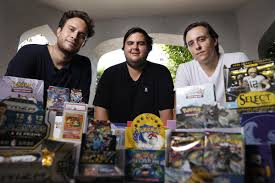
Pokémon trading card marketplaces have climbed to near record levels, a rise that says as much about culture and confidence as it does about money. As tokenized collectibles continue to attract buyers who want both nostalgia and long term value, the market is again proving that a small card can carry a very large financial story.
A market powered by memory
We are seeing more than a price rally. We are seeing a collector economy built on emotion, scarcity, and trust in a brand that has lasted across generations. For many buyers, Pokémon cards are not just assets. They are pieces of childhood that now sit inside a serious investment conversation. That mix of sentiment and speculation has helped push marketplaces toward levels that echo earlier highs in the boom years of collectible trading.
The appeal is easy to understand. Pokémon has managed to stay culturally relevant for nearly three decades, and that longevity gives the trading card market a foundation many trend driven collectibles never achieve. New games, new media, and a steady flow of rare releases keep interest alive, while older cards continue to draw attention from both casual fans and serious investors. The result is a market that feels part hobby shop, part financial exchange.
Why prices are holding up
Scarcity remains the central force behind the strength of the market. First edition cards, pristine graded examples, and limited release promotional pieces continue to command outsized attention because collectors know the supply cannot easily expand. When demand rises against that fixed supply, prices can move quickly, especially when online marketplaces make it easier for buyers around the world to compete for the same pieces.
Another reason the market has stayed hot is that collectibles now sit in a broader alternative asset conversation. Some buyers see Pokémon cards as a hedge against traditional investments. Others treat them as a store of value that can also be enjoyed. That dual purpose makes them unusual. A stock certificate may offer financial exposure, but it does not carry the same emotional pull as a card featuring a childhood favorite.
The growth of tokenized collectibles has added another layer. Digital ownership systems, trading platforms, and blockchain based authentication have made it easier for some buyers to track provenance and trade assets across borders. While these tools do not replace the physical card itself, they have helped widen the market and increase confidence among some investors who want clearer records of ownership and movement.
What collectors are watching
- Grading quality, especially for mint condition vintage cards.
- Provenance, authenticity, and clear ownership history.
- Rarity tied to limited runs, tournament prizes, or promotional releases.
- How tokenized collectibles platforms affect liquidity and resale access.
The emotional side of investing
There is something deeply human about the appeal of Pokémon cards in 2026. People are not only buying paper stock with artwork on it. They are buying stories, memories, and a sense of continuity. A collector who once traded cards in a schoolyard may now be a parent with disposable income and a stronger sense of what nostalgia is worth. That emotional arc helps explain why demand remains strong even when markets elsewhere become uncertain.
At the same time, the market rewards discipline. The cards that perform best over time are usually those backed by clear scarcity, strong condition, and broad collector recognition. That means not every shiny card becomes a prize asset. Investors who enter the space expecting every purchase to rise can still be disappointed. The best outcomes usually come from patience, research, and a willingness to focus on quality over hype.
That is especially important now, because near record marketplace activity can tempt newcomers to buy at the top of a cycle. Enthusiasm is not the same as durable value. The market may remain healthy for the long haul, but buyers still need to separate emotional excitement from investment logic.
Tokenization changes the conversation
Tokenized collectibles have given the market a new language. By linking physical assets to digital records, these systems can make collectible ownership easier to verify, fractionally trade, or monitor across platforms. For some investors, that creates a more accessible path into high value collectibles. For others, it introduces a layer of abstraction that does not replace the tactile joy of holding a card in hand.
Still, the broader effect has been to bring more attention to collectibles as legitimate store of value assets. When a market develops the tools to track ownership, prove authenticity, and expand trading access, it becomes easier for outside investors to treat the category with seriousness. That does not mean every tokenized collectible is a sound buy. It does mean the category is being taken more seriously than it was a decade ago.
For Pokémon specifically, that seriousness is helped by brand strength. The franchise remains one of the most recognizable in global entertainment, with fans across gaming, animation, toys, and trading cards. That cross platform appeal is a major reason the market keeps attracting both collectors and speculative capital.
What this means for everyday buyers
For fans who are not trying to build a portfolio, the market’s strength can be both exciting and frustrating. Older cards may be harder to afford, and even newer packs can become hot quickly if a particular set catches fire online. That can make casual collecting feel more expensive, especially for families trying to share the hobby with children.
Yet the market also offers opportunities. Buyers who focus on personal enjoyment rather than short term profit often find the experience more sustainable. A carefully chosen card collection can still bring pleasure without needing to double as a financial plan. In that sense, the healthiest approach may be to treat collecting and investing as overlapping but distinct goals.
It also helps to remember that collectible markets are cyclical. Near record highs do not guarantee immediate collapse, but they do encourage caution. Serious collectors typically look at condition, grading, authenticity, and market history before making a purchase. That is good advice whether the goal is resale or simply the satisfaction of owning a beloved piece of Pokémon history.
Where the market goes from here
The next phase will depend on whether demand remains broad or concentrates in only a few ultra rare items. If buyers continue to spread capital across a wide range of cards, the market may stay resilient. If enthusiasm narrows and speculation becomes too concentrated, volatility could increase. Either way, the long term strength of the franchise gives the category a cushion many collectibles do not have.
The larger lesson is that collectibles have moved far beyond being a niche pastime. They now sit at the intersection of culture, finance, and technology. Pokémon cards are one of the clearest examples of that shift. What once lived in lunchboxes and bedroom binders is now part of a serious conversation about alternative assets and digital ownership.
For collectors, that reality carries both promise and caution. The promise is enduring demand for a beloved brand with deep emotional roots. The caution is that markets can move quickly when nostalgia, scarcity, and speculation all point in the same direction. For now, the cards are holding their shine, and the marketplace is telling a story of staying power that few expected to last this long.