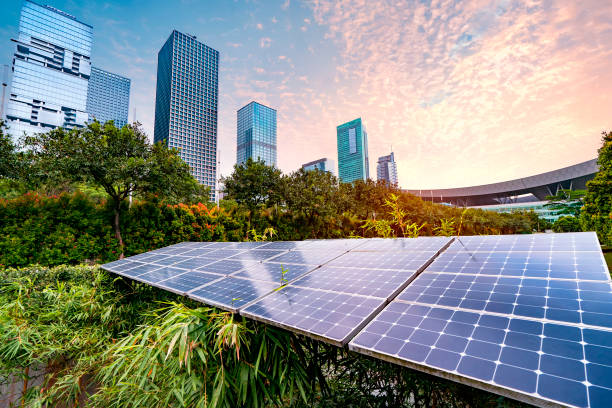
On April 18, 2026, I report on a powerful shift reshaping how people invest in their homes. A new industry report confirms that the global home improvement market has reached a record valuation, fueled by a surge in demand for solar installations and climate resilient exterior upgrades. What was once seen as optional renovation is now increasingly viewed as essential protection against rising energy costs and extreme weather.
Homeowners are no longer renovating simply for aesthetics. They are responding to a changing environment, one where energy independence and structural durability are becoming central to everyday decision making. The result is a market that is expanding not only in size but also in purpose.
Solar Power Moves From Trend to Necessity
The most significant driver behind this growth is the rapid adoption of residential solar systems. Global data shows the residential solar power market valued at over 100 billion dollars in 2025, with steady growth expected through the next decade as more households turn to renewable energy for cost savings and reliability.
Solar panels are no longer niche technology. They are becoming a mainstream feature of modern homes, supported by falling equipment costs, improved efficiency, and growing awareness of energy independence. In many regions, homeowners see solar not just as an environmental choice but as a financial strategy that reduces long term electricity expenses.
In countries facing energy instability, adoption is accelerating even faster. Reports indicate that distributed solar systems could supply a significant share of national energy demand in some markets, reflecting how quickly households are shifting toward decentralized power solutions.
Climate Resilience Becomes a Core Priority
Alongside solar installations, homeowners are investing heavily in exterior upgrades designed to withstand extreme weather. These include impact resistant roofing, reinforced siding, flood proofing systems, and advanced insulation materials.
The motivation is deeply practical. Severe storms, rising temperatures, and unpredictable climate patterns are forcing homeowners to rethink how their properties are built and maintained. Instead of reactive repairs after damage occurs, many are choosing proactive upgrades that strengthen resilience from the outset.
This shift has given rise to a new category within the home improvement sector, one that blends construction with climate adaptation. Contractors and manufacturers are responding with products specifically designed to endure heat, wind, and water stress while maintaining energy efficiency.
A Record Setting Market Reflects Changing Behavior
The surge in solar and resilience upgrades is contributing to record breaking spending in the home improvement sector. Industry forecasts suggest renovation and repair spending is reaching historic highs, driven by homeowners choosing to invest in existing properties rather than relocate.
This behavior is partly shaped by economic conditions. High interest rates and housing market constraints have made moving less attractive, prompting homeowners to upgrade their current spaces instead. At the same time, aging housing stock is increasing the need for repairs and modernization.
We are witnessing a shift from discretionary spending to necessity driven investment. Home improvement is no longer just about lifestyle upgrades. It is increasingly about long term security and sustainability.
The Role of Technology in Modern Renovation
Technological advancement is playing a crucial role in this transformation. Solar systems are becoming more efficient and visually integrated into home design. New materials are improving durability without compromising aesthetics. Smart energy systems allow homeowners to monitor usage, store excess power, and optimize consumption in real time.
The global solar roof market alone is projected to grow significantly, reflecting demand for solutions that blend functionality with design. These innovations are making it easier for homeowners to adopt sustainable upgrades without sacrificing visual appeal.
In addition, digital tools are simplifying the renovation process. From virtual design platforms to remote system monitoring, technology is making home improvement more accessible and data driven.
Energy Independence as a Driving Force
Energy security has emerged as a powerful motivator behind renovation decisions. Rising electricity costs and concerns about grid reliability are pushing homeowners toward self generated power solutions.
In regions affected by global energy disruptions, demand for solar installations has surged as households seek greater control over their energy supply. This trend reflects a broader shift in how people think about energy, moving from dependence on centralized systems to localized production and storage.
The appeal is both economic and psychological. Lower utility bills provide immediate financial relief, while the ability to generate power independently offers a sense of stability in uncertain times.
Economic Opportunities Across Industries
The expansion of the home improvement market is creating opportunities across multiple sectors. Construction firms, solar installers, material manufacturers, and technology providers are all benefiting from increased demand.
Job creation is rising in areas such as renewable energy installation, building retrofitting, and smart home technology. At the same time, supply chains are adapting to meet growing demand for specialized materials and equipment.
For policymakers and industry leaders, this growth presents both opportunity and responsibility. Supporting sustainable practices while ensuring affordability will be key to maintaining momentum in the sector.
Challenges Facing the Rapid Expansion
Despite strong growth, the market faces several challenges. Upfront costs for solar systems and resilience upgrades can still be significant, limiting access for some households. Financing options and government incentives play a crucial role in bridging this gap.
Regulatory complexity is another factor. Permitting processes, building codes, and grid integration requirements can slow down adoption, particularly in regions with less developed infrastructure.
There are also supply chain pressures, especially for advanced materials and solar components. As demand continues to rise, ensuring consistent availability and quality will be essential.
A Cultural Shift in How Homes Are Valued
Beyond economics and technology, this trend reflects a deeper cultural change. Homes are increasingly viewed as systems that must adapt to environmental and financial realities. Value is no longer measured solely by location or size but also by efficiency, resilience, and sustainability.
Homeowners are thinking in longer time horizons, considering how their properties will perform over decades rather than years. This perspective is reshaping design choices, investment priorities, and expectations for the built environment.
Looking Ahead to a Resilient Housing Future
The record valuation of the home improvement market signals more than a temporary surge. It points to a structural transformation in how people approach housing.
Solar energy adoption and climate resilient upgrades are likely to remain central drivers of growth. As technology advances and costs continue to decline, these features may become standard rather than optional in new and existing homes.
From my perspective, this moment represents a turning point. Homes are evolving from passive spaces into active systems that generate energy, withstand environmental stress, and adapt to changing conditions. The decisions homeowners make today are shaping not only their own living environments but also the future of sustainable housing on a global scale.
The message from the market is clear. Resilience and sustainability are no longer abstract goals. They are becoming the foundation of how we build, upgrade, and live.