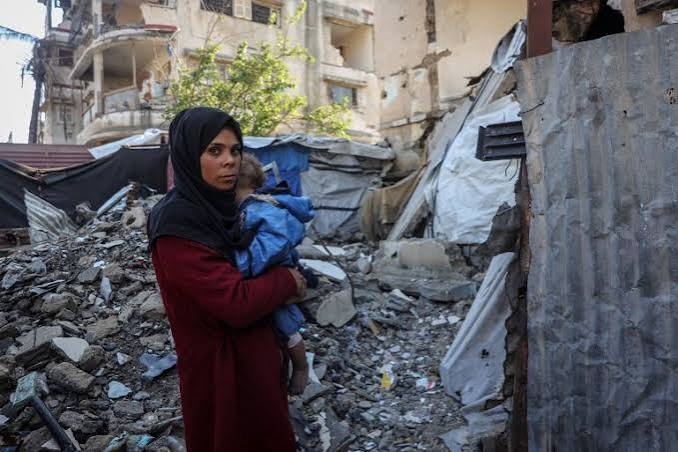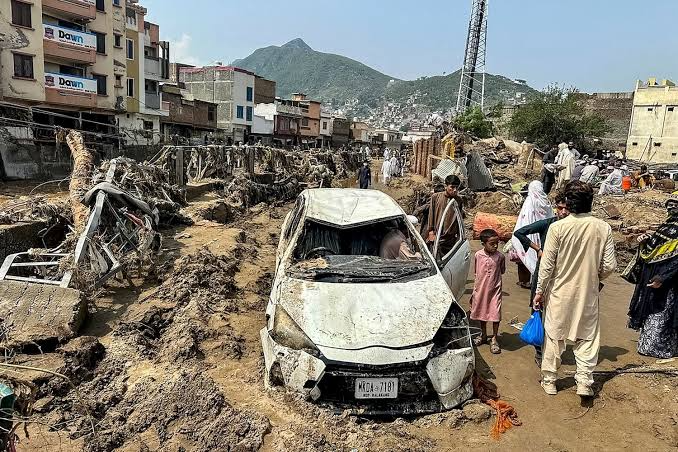
International disaster response agencies stepped up emergency operations across South Asia on August 17, 2026, after heavy monsoon rains triggered flash floods, damaged critical infrastructure and displaced communities across vulnerable areas. For families watching muddy water move through streets, homes and fields, the crisis is not simply a weather event. It is a race to find safe shelter, clean water, medicine and a reliable path home.
Monsoon Flooding Places South Asian Communities Under Severe Pressure
Seasonal monsoon rains are essential to South Asia’s agriculture and water supplies, but intense rainfall over a short period can quickly overwhelm rivers, drainage networks and urban infrastructure. When heavy rain combines with saturated soil and rising waterways, communities can have very little time to respond.
The latest flooding has placed emergency authorities and international relief organizations under significant pressure as they work to reach people cut off by damaged roads and inundated communities. In many affected areas, the first priority is straightforward: move people away from dangerous water and provide temporary shelter before conditions deteriorate further.
Flood emergencies also create a chain of secondary problems. Electricity networks can be damaged, roads can become impassable and drinking water systems can be contaminated. Hospitals may face increased demand just as access to medical supplies becomes more difficult. For families who have already lost homes or livelihoods, even a short disruption can create serious financial and emotional strain.
Why Flash Floods Can Become Humanitarian Emergencies So Quickly
Flooding becomes especially dangerous when water rises faster than communities can evacuate. Flash floods can move with tremendous force, carrying debris, damaging bridges and cutting off neighborhoods that were accessible only hours earlier.
People living near rivers and low lying areas are often among the most vulnerable, but urban communities can also face severe flooding when drainage systems cannot handle the volume of rainfall. Informal settlements and densely populated neighborhoods may have fewer resources for evacuation and recovery.
Children, older people, people with disabilities and households without reliable transportation can face additional difficulties during evacuation. Emergency planners therefore need to consider more than the number of people affected. They must identify who needs assistance reaching shelters, receiving medicine and accessing essential services.
Rescue Operations Depend on Access
Flood rescue is heavily dependent on transportation and communications. Boats and high clearance vehicles may be required when conventional roads are underwater. Rescue teams also need accurate information about where people remain stranded and which routes are safe.
Damaged bridges can create major obstacles even when the floodwater itself begins to recede. A community may appear physically close to a relief center on a map while remaining effectively isolated because the connecting road has collapsed or become unsafe.
This is why international disaster response often combines local knowledge with outside resources. Local responders understand the terrain, communities and language, while international organizations can provide additional logistics, emergency supplies, technical expertise and funding.
Humanitarian Agencies Focus on Shelter, Water and Medical Care
Once immediate rescue operations begin to stabilize, humanitarian agencies must address the basic needs of displaced families. Temporary shelter becomes particularly important when homes have been destroyed or remain unsafe because of structural damage.
Clean drinking water is another urgent priority. Floodwater can carry sewage, chemicals and other contaminants into wells and water systems. Without safe water, the risk of diarrheal disease and other illnesses can rise rapidly, especially among children.
Medical teams must also prepare for injuries sustained during flooding as well as illnesses that can emerge afterward. Hospitals and clinics may require additional medicines, sanitation supplies and emergency personnel. Restoring access to routine healthcare is equally important because patients with chronic conditions can face serious problems when transport and medical services are interrupted.
The World Health Organization’s emergency response resources highlight the importance of coordinated health action during disasters, particularly when damaged infrastructure increases the risk of disease and limits access to essential care.
Displacement Can Continue Long After the Water Recedes
The end of heavy rainfall does not necessarily mark the end of a flood emergency. Water may remain in homes and agricultural areas for days, while damaged buildings can take weeks or months to repair.
Families who lose homes may have to remain in temporary shelters or stay with relatives. Schools can also become emergency accommodation centers, disrupting education at precisely the moment when children need stability.
Displacement creates difficult choices. Parents may have to decide whether to remain near damaged property or move farther away in search of safety and employment. Farmers may be reluctant to leave because their crops, livestock and land represent their primary source of income.
For this reason, effective disaster response needs to move beyond emergency food distribution. Recovery planning must consider housing, education, livelihoods, sanitation and access to financial assistance.
Flood Damage Threatens Regional Infrastructure
Infrastructure damage can amplify the economic consequences of flooding. Roads and bridges are essential for moving food, fuel, medical supplies and rescue equipment. When transportation networks are disrupted, the cost of delivering basic goods can rise quickly.
Electricity infrastructure is equally important. Power failures can interrupt water treatment systems, telecommunications, hospitals and refrigeration. Restoring electricity therefore becomes a priority not only for comfort but also for public health and emergency coordination.
Flooding can also damage irrigation systems, warehouses and agricultural equipment. For rural communities, this creates a difficult combination of immediate displacement and longer term loss of income.
Agriculture Faces a Major Recovery Challenge
South Asia’s agricultural economy is closely tied to the monsoon. Farmers depend on seasonal rainfall, yet excessive rain can destroy the same crops that moderate rainfall helps grow.
Floodwater can submerge fields, wash away topsoil and damage stored grain. Livestock may also be lost when animals cannot be moved to higher ground. Even when crops survive, farmers may struggle to transport produce to markets because roads and bridges have been damaged.
Recovery programs will therefore need to address more than immediate food assistance. Farmers may require seeds, tools, livestock support, irrigation repairs and access to affordable credit. Without such measures, a natural disaster can continue affecting household incomes long after the emergency response ends.
Climate Resilience Is Becoming Central to Disaster Planning
The scale and speed of flooding demonstrate why disaster preparedness needs to be integrated into long term development planning. Communities cannot prevent every extreme rainfall event, but they can reduce exposure and improve their ability to respond.
Early warning systems are among the most practical tools available. When communities receive reliable information before rivers rise or dangerous rainfall arrives, families have more time to protect belongings, move livestock and reach safer locations.
Urban planning also matters. Drainage systems, flood barriers, retention areas and protected waterways can reduce the impact of heavy rainfall. Maintaining these systems is just as important as constructing them because blocked drains and poorly maintained channels can significantly worsen flooding.
Local Communities Are Often the First Responders
International agencies may provide essential resources, but local residents are frequently the first people to reach neighbors in danger. Community volunteers can help identify vulnerable households, distribute information and assist with evacuation before outside responders arrive.
This local capacity should be treated as a core part of disaster planning rather than an emergency substitute. Training communities in first aid, evacuation procedures and disaster communication can save lives when professional rescue teams are still traveling toward an affected area.
Women and community leaders also play important roles in identifying practical needs inside shelters. Their knowledge can help humanitarian agencies understand where families require sanitation facilities, childcare, food assistance or protection services.
International Cooperation Can Speed Up Relief
Large disasters can overwhelm the resources of a single local authority. International cooperation allows governments and humanitarian organizations to combine funding, equipment, technical expertise and personnel.
The United Nations Office for the Coordination of Humanitarian Affairs supports coordination during major humanitarian emergencies, helping different organizations work from shared assessments and reduce unnecessary duplication of relief efforts.
Effective coordination is especially important when several areas are affected simultaneously. Relief agencies need to determine which communities have received assistance, where supply shortages are emerging and which roads or airports remain operational.
Digital mapping, satellite imagery and emergency communications can support this process by helping responders identify flooded areas and damaged infrastructure. Yet technology works best when combined with information from people living in affected communities.
What Affected Families Need During the Recovery Period
Emergency relief should address immediate survival while preparing families for the difficult weeks that follow. Key priorities include:
- Safe temporary shelter for displaced households.
- Reliable supplies of clean drinking water and sanitation equipment.
- Emergency medical services and essential medicines.
- Food assistance for families who have lost access to markets or income.
- Protection for children and other vulnerable people in temporary shelters.
- Repair of roads, bridges, electricity networks and water systems.
- Financial and agricultural assistance to help families rebuild livelihoods.
These needs are connected. A family cannot easily return home if drinking water remains unsafe, roads remain damaged or the building itself has become unstable. Recovery therefore requires coordinated action rather than isolated projects.
The Psychological Impact of Flood Disasters Should Not Be Ignored
Flood recovery is also an emotional process. People who have watched their homes disappear beneath water may experience fear, grief and uncertainty even after reaching safety. Children can be particularly affected when familiar neighborhoods, schools and routines suddenly disappear.
Humanitarian support should therefore include safe spaces, family reunification services and access to psychosocial assistance where needed. Restoring a sense of routine can be an important part of recovery, particularly for children who have experienced frightening evacuations.
Communities also need opportunities to participate in rebuilding decisions. People who understand their own neighborhoods can provide valuable insight into which homes can safely be restored, which roads should be prioritized and where future shelters should be located.
Recovery Will Require More Than Rebuilding What Was Lost
The floods provide a difficult reminder that rebuilding exactly what existed before may leave communities vulnerable to the next disaster. Reconstruction offers an opportunity to improve drainage, strengthen bridges, protect water supplies and locate essential facilities away from high risk areas.
Governments and development partners can use recovery investments to create stronger infrastructure while preserving the livelihoods of communities that depend on vulnerable land. This requires careful planning because relocation can protect families from future flooding but may also separate them from farmland, schools and employment.
South Asia’s Flood Response Carries Lessons for the Future
The international response to the August 17 flooding highlights a broader reality of disaster management. Relief is most effective when emergency preparedness, local knowledge, international coordination and long term resilience work together.
For the families affected, the immediate concern remains deeply personal. They need somewhere dry to sleep, safe water to drink and reassurance that their communities will not be forgotten once the headlines move elsewhere. For governments and international agencies, the responsibility is to turn that immediate response into a durable recovery.
South Asia’s monsoon rains will continue to be essential to the region’s agriculture and water systems. The challenge is to ensure that communities can benefit from the rains without being left defenseless when rainfall becomes destructive. Stronger warning systems, resilient infrastructure, better emergency planning and sustained international cooperation can reduce the human cost of future floods.
The success of the current response will ultimately be measured not only by how many people are rescued, but by how quickly displaced families regain stability, how effectively damaged infrastructure is restored and whether communities emerge better prepared for the next severe monsoon event. For millions across South Asia, that long recovery is where the real work begins after the floodwater finally recedes.